
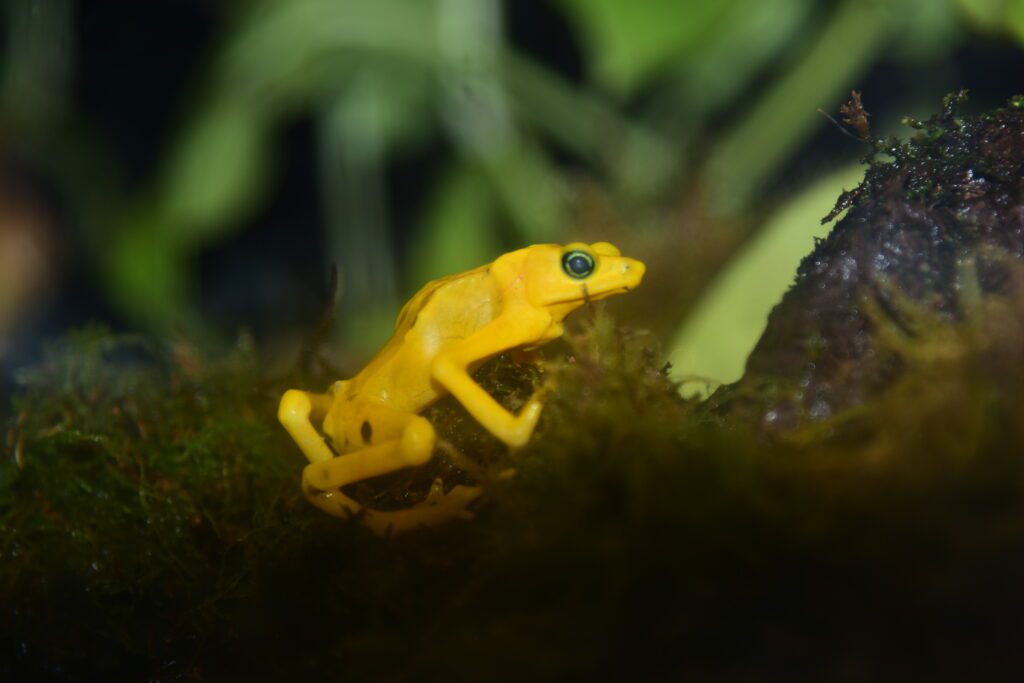
Summary of Saving the Panamanian Golden Frog: Seneca Park Zoo’s Vital Role in Global Amphibian Conservation:
Seneca Park Zoo in Rochester focuses on conservation efforts for the Panamanian golden frog and the broader amphibian crisis. The zoo maintains a breeding population of these frogs as part of the AZA Species Survival Plan to support genetic diversity. Visitors can engage with educational exhibits, keeper chats, and events like Golden Frog Day in August, which aim to raise awareness and inspire action, emphasizing that conservation is a shared global responsibility.
- The critical status of the Panamanian golden frog and the global amphibian crisis.
- Seneca Park Zoo’s breeding program and its role in the AZA Species Survival Plan.
- Educational initiatives and guest engagement strategies at Seneca Park Zoo.
- The connection between local actions and global conservation efforts.
- The broader implications for biodiversity and ecosystems relating to amphibian conservation.
The Panamanian golden frog (Atelopus zeteki) symbolizes the alarming status of amphibians today. Once a common species in Central America, its population has plummeted due to various factors. Habitat loss, climate change, and the lethal chytridiomycosis fungus have played critical roles in this decline. The global amphibian crisis poses a significant threat not only to individual species but also to entire ecosystems. Amphibians are essential indicators of environmental health. Their presence or absence provides insights into ecosystem stability. Protecting them ultimately means safeguarding biodiversity overall.
At the forefront of the conservation efforts for the Panamanian golden frog is Seneca Park Zoo, which maintains a dedicated program aimed at breeding this species. Partnering with the Association of Zoos and Aquariums (AZA) Species Survival Plan (SSP), Seneca Park Zoo plays a vital role in both genetic management and the long-term viability of the species. The SSP promotes a cooperative approach to wildlife conservation, ensuring that breeding programs preserve genetic diversity and minimize inbreeding. This method effectively enhances the chances of successful reintroductions into the wild when conditions permit.
The zoo’s commitment includes housing a thriving population of golden frogs, which not only serves as a precautionary measure but also as a breeding source for conservation efforts. The breeding program is characterized by stringent standards of care, replicating natural conditions in order to encourage successful reproduction. Specific requirements for temperature, humidity, and diet mimic the golden frog’s natural habitat. These protocols are critical for ensuring the health and well-being of the frogs while contributing to broader conservation goals.
Engagement with the public is another central focus of Seneca Park Zoo’s conservation programming. Visitors are actively invited to learn about the Panamanian golden frog through various educational initiatives. Interactive exhibits showcase the frog’s characteristics, habitat, and the threats it faces. Keeper chats offer firsthand insights from knowledgeable staff who share their experiences and findings about the species. Importantly, annual events like Golden Frog Day increase awareness while fostering a sense of community among attendees. These events aim to educate visitors on the conservation strategies needed to protect this species and raise funds for ongoing research and habitat restoration.
Education plays a paramount role in driving conservation actions. At Seneca Park Zoo, learning experiences emphasize the urgency of the global amphibian crisis. Patrons of all ages leave with not only a greater understanding of golden frogs but also a heightened sense of responsibility toward conservation. The narrative shifts to one that emphasizes shared global responsibility. Here, education intersects with involvement, inspiring guests to take manageable actions in their communities. Conservation isn’t solely a task for scientists in remote locations; it’s a collective mission that transcends borders.
The connection between local actions and global conservation efforts cannot be overstated. By engaging the community, Seneca Park Zoo inspires direct contributions to the cause. Simple actions like reducing pesticide use, maintaining garden biodiversity, and promoting eco-friendly practices have positive impacts. The initiative encourages participants to recognize their individual roles in supporting wildlife and fostering sustainable environments. It becomes apparent that the health of local ecosystems is intertwined with global biodiversity.
Seneca Park Zoo also addresses the broader implications of amphibian conservation. Through seminars, workshops, and collaborations with environmental organizations, the zoo emphasizes the interconnectedness of all species. Amphibians serve as bioindicators, meaning their well-being reflects the health of their respective ecosystems. When we prioritize the survival of the golden frog, we safeguard not only its future but also that of countless other species reliant on similar habitats. This holistic approach highlights the urgent need for conservation policies that are inclusive of all biodiversity.
The conservation of the Panamanian golden frog is intertwined with broader ecological ramifications. The decline of amphibians serves as a clarion call, alerting humanity to the degradation of environmental conditions. The plight of the golden frog echoes globally as amphibians around the world face similar threats. This shared vulnerability fosters an environment where international cooperation becomes essential. Organizations, researchers, and conservationists must unite in strategies that combat environmental degradation.
Research and collaboration remain essential tools. Seneca Park Zoo participates in biotechnological initiatives that utilize advanced methods like cryopreservation for gametes. These methods preserve genetic material for future use, ensuring that genetic diversity is not lost. Knowledge sharing across institutions enhances the capacity for informed decision-making regarding habitat protections, regulations, and species management.
As we explore the genetic intricacies involved in breeding and conservation, we can appreciate the nuances of maintaining a genetically robust population. An extensive pedigree analysis enables careful selection of breeding pairs. By avoiding inbreeding, the zoo aims to bolster the species’ resilience against diseases and environmental changes. This scientific approach to breeding empowers conservationists to establish viable populations that could eventually thrive in their natural habitats.
Amphibian conservation is also linked to climate adaptability. As climate change intensifies, the ability of species to adapt becomes increasingly pressing. For this reason, studying the Panamanian golden frog provides insights not only about its survival but also informs strategies applicable to other amphibian species facing similar challenges. By ensuring that conservation is grounded in robust scientific research, organizations establish a foundation for effective action.
Seneca Park Zoo’s multi-layered approach to conservation underscores the importance of rigorous research alongside community engagement. The blending of educational programming with scientific initiatives cultivates an informed public. Enhanced understanding often leads to more significant advocacy and support for conservation initiatives.
The commitment to the Panamanian golden frog exemplifies a model of conservation that other institutions can emulate. By addressing both the educational and scientific aspects, Seneca Park Zoo successfully creates pathways for change. A united community driven by knowledge and a shared sense of responsibility may very well turn the tide against the global amphibian crisis.
Investing in the future of the Panamanian golden frog represents a larger commitment to biodiversity conservation. As biodiversity becomes increasingly compromised, successful conservation programs become imperative to safeguard the natural world. Seneca Park Zoo’s active participation in breeding, research, and community engagement efforts offers hope not only for the golden frog but for countless other amphibians facing uncertainty.
The dedication to saving the Panamanian golden frog is a testament to what can be achieved when individuals and organizations work together toward a common goal. Each act of stewardship contributes to a broader movement, one aimed at preserving the delicate balance of ecosystems for future generations. The golden frog, with its vibrant colors and striking appearance, is a powerful symbol of what is at stake.
By participating in conservation initiatives and supporting organizations like Seneca Park Zoo, individuals can make a tangible impact. Education and awareness are vital, shaping the perceptions and actions of society. Recognizing that conservation is not limited to geographical boundaries compels all of us to act. As stewards of the environment, we hold the responsibility to advocate for species that cannot advocate for themselves.
Ultimately, the journey of the Panamanian golden frog embodies a broader narrative about the fight for biodiversity. With a commitment to education, research, and community engagement, we can overcome challenges that threaten species and ecosystems. The future of the Panamanian golden frog—and many other amphibians—depends on collective efforts rooted in knowledge and action. By elevating the conversation around amphibian conservation, we embark on a path that affects ecosystems around the globe, connecting us all in a shared mission to protect and preserve our planet’s natural heritage.
