
- Understanding the emotional toll of saying goodbye to animals in care
- A look at Buttercup the capybara’s life and legacy
- Assessing animal quality of life
- The role of humane euthanasia in animal care
- The impact on the community and lessons learned
Saying goodbye to a beloved animal can evoke profound emotions. It is challenging for caregivers, as they navigate complex feelings of loss and helplessness. This emotional journey is a significant aspect of working with animals, especially when the time comes to part ways. The recent decision to humanely euthanize Buttercup the capybara highlights this deeply felt experience that many in zoology and wildlife conservation confront.
Buttercup lived for nearly 12 years, far surpassing her median life expectancy of approximately 8.6 years for her species. This longevity was a testament to the care she received and the environment in which she lived. However, her passing also serves as a poignant reminder of the grief involved in animal care. Animal keepers form strong bonds with the creatures they care for, making the goodbye process even harder. The emotional toll of losing a cherished animal reflects the intricate relationships built over years of caring for them.
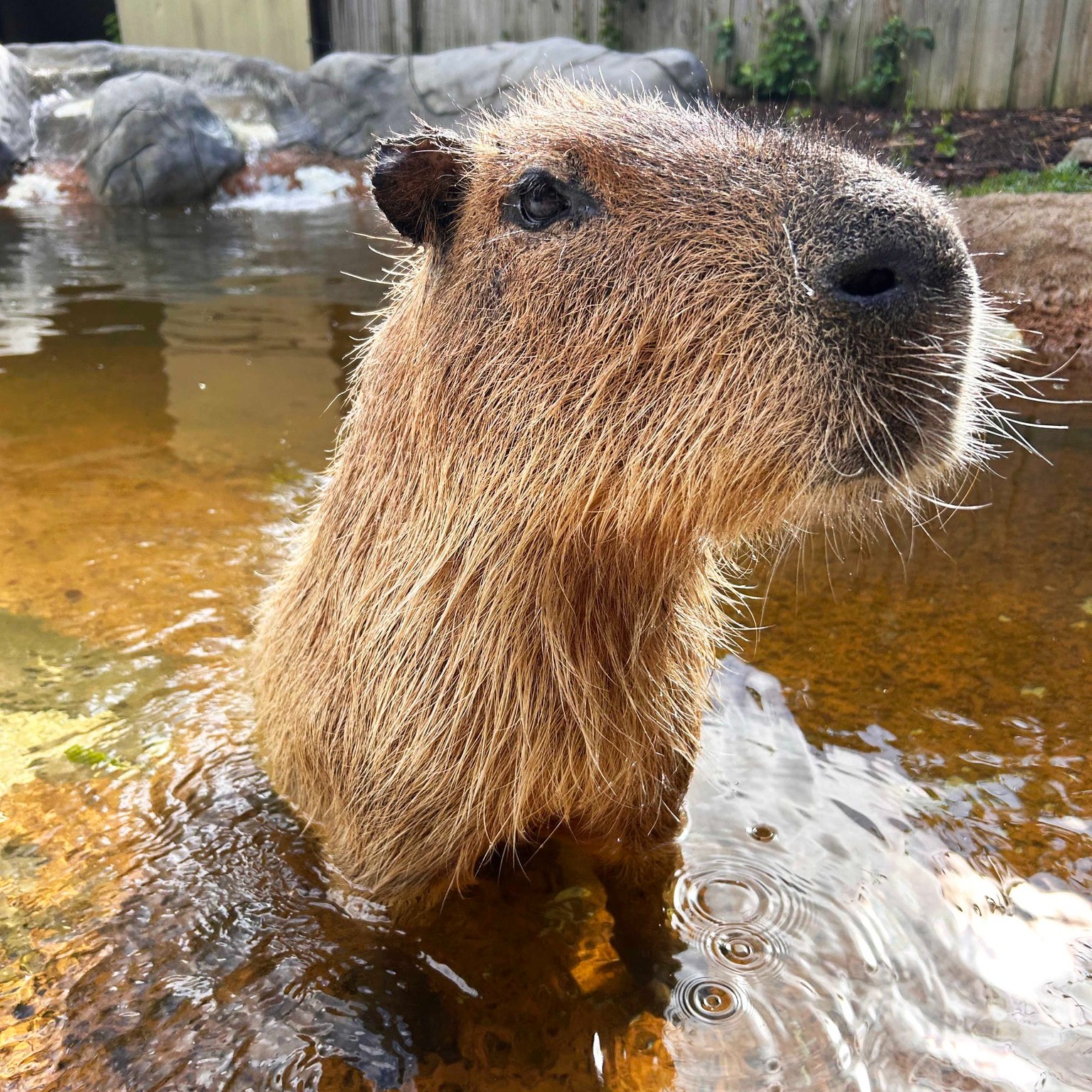
Buttercup’s life was vibrant and filled with personality. Initially, she was a bit apprehensive around her keepers. Her independent spirit made forming that bond more challenging. However, with patience and dedication from the staff, Buttercup blossomed into a goofy and playful individual. Her love for swimming in her pool was infectious, and her enthusiasm for bamboo made feeding sessions enjoyable for all. A floating feeder was even created for her, specifically designed to enhance her dining experience.
Her declining health was a concern for her caregivers as she aged. Recently, Buttercup showed signs of deterioration. A noticeable decrease in her physical condition became apparent, with symptoms including weight loss, muscle wasting, and alterations in her behavior, such as a resistance to eating despite dietary changes. Episodes of stumbling and fainting increased in frequency, raising alarms about her overall quality of life. These observations are crucial for animal caretakers, as monitoring a creature’s well-being involves recognizing subtle shifts in behaviors and physical condition.
The assessment of an animal’s quality of life is multifaceted. Various factors come into play, including nutritional intake, mobility, and engagement with the surrounding environment. An animal that loses interest in food or experiences significant weight loss may be showing indicators of pain or discomfort. Caregivers need to observe behavioral changes carefully, as these can signal that an animal requires medical intervention or a different approach to its care.
In the case of Buttercup, the decision to proceed with humane euthanasia was made after extensive evaluations. While it is a painful choice, it is sometimes the most compassionate option when an animal is suffering with no reasonable chance for recovery. This method of euthanasia aims to ease suffering, focusing on kindness rather than prolonging discomfort. A key aspect of humane euthanasia is that it is performed with respect and care, ensuring the animal is not subjected to additional pain. This aspect underscores a commitment to animal welfare and compassionate care.
The community surrounding an animal facility often feels the loss intensely, as many people build connections with animals like Buttercup. As public figures, animals inspire affection and create lasting memories for community members. When one passes away, it leaves a void that people feel deeply. The legacy of an animal not only lies in their lifespan but also in the impact they have on the individuals they touch. Buttercup was more than just a staff member; she was a dear friend to many, and her absence will be felt in the days to come.
In moments like these, it is essential to reflect on the lessons learned and the experience shared. The opportunity to bond with animals is an invaluable one. It teaches humility, patience, and the importance of empathy. Despite the sorrow of her loss, Buttercup’s life showcased the joy that animals bring into our lives. Each moment shared with her, from swimming to enjoying bamboo, serves as a reminder of the unique bond between humans and animals.
Animal care and wildlife conservation are not isolated efforts. They encompass understanding the species’ needs, offering enrichment, and fostering positive experiences for the animals in our care. A healthy ecosystem involves nurturing not just the individual animals but the communities that surround them. The decision to compassionately say goodbye also carries lessons about the responsibilities that come with caring for wildlife.
Educational initiatives around the emotional aspects of animal care can also help prepare the community for these inevitable goodbyes. Sharing stories and experiences allows those involved to find common ground in their grief. Learning about the lifecycle of animals, including their vulnerabilities, is part of fostering respect for wildlife. Through educational programs, centers can deepen the public’s understanding of the intrinsic value of animal life and the significance of humane choices.
In supporting animal care, facilities also shape broader attitudes toward wildlife conservation. Animals like Buttercup serve as ambassadors for their species, facilitating awareness about their needs, habitats, and the challenges they face in the wild. As communities connect with their local wildlife, the dialogue between conservation and public understanding becomes vital. These efforts contribute to large-scale movements aimed at preserving habitats and protecting species that are threatened or endangered.
Buttercup’s legacy endures through the lessons learned in her care. Each keeper who interacted with her carries forward her spirit and the knowledge gained during their time together. The emotional bond forged between animals and caregivers teaches profound lessons about respect, compassion, and life itself. Even amidst the sorrow of goodbye, the memories created through shared experiences can uplift our spirits and inspire meaningful actions toward wildlife conservation.
While saying goodbye to Buttercup was immensely difficult, it serves to reinforce the importance of the work done by animal care professionals. Their commitment to the animals in their care not only ensures their well-being but also fosters powerful connections that resonate throughout communities. These relationships help build a more empathetic and informed society that values both animal care and conservation.
The journey through loss reveals the significance of every creature’s life, reminding us that each moment spent with animals is precious. Caring for animals like Buttercup enriches our lives and provides opportunities to learn and grow. Whether through grief or joy, the impact of these relationships creates lasting impressions that extend beyond individual experiences and contribute to global wildlife conservation efforts.
The decision-making processes involved in animal welfare require careful contemplation and compassion. While the goodbye is bittersweet, it is also an opportunity to celebrate the lives of the animals we cherish. The stories of animals like Buttercup serve to inspire the next generation of caregivers and conservationists, igniting a passion for wildlife preservation and humane treatment.
As we take a moment to honor Buttercup, it becomes evident that her essence will forever reside in the hearts of those who knew her. From the bonds formed with her caregivers to the joy she brought to visitors, her spirit lives on, reminding us of the power animals have to transform lives. Saying goodbye may be the hardest part of what we do, but it also empowers us to cherish every moment we have and strive to protect wildlife for generations to come.
*****
Source Description
Saying goodbye is the hardest part of what we do.
Earlier this week, we made the incredibly difficult decision to humanely euthanize Buttercup the capybara. Buttercup was nearly 12 years old, far outliving her median life expectancy of 8.6 years. Due to her old age, we have monitored her quality of life even more persistently than usual over the last several years. Recently, Buttercup began to experience an overall decrease in her bodily condition. She has been losing weight and muscle mass, refusing to eat even with diet changes and experiencing episodes of stumbling, tremors and fainting.
Due to these ongoing circumstances, and in light of her age, it was undoubtedly time to ease her pain. We will miss her tremendously. We know many in the community will also carry this loss with them.
Despite the pain involved in losing our friend, this is also an opportunity to celebrate the 11 wonderful years we shared with Buttercup. She spent almost her entire life with us, and her keepers found that working with her was very uplifting and rewarding. Buttercup had a strong personality and was very independent, so she had some difficulty trusting her keepers at first. However, through lots of love and patience from our amazing team, she developed into a goofy, playful and lively capybara. She particularly loved swimming in her pool and eating bamboo. We even made a special floating feeder for her to enjoy.
We will miss Buttercup, and we remain thankful for the time we spent with her. We appreciate everyone’s love and support during this difficult time.
