
- The importance of comfortable seating during holiday travel
- Various seating options available for travelers
- The impact of seating choice on travel experience
- Unique aspects of airline seat design and ergonomics
- The relationship between seating, safety, and wildlife conservation
Comfortable seating for holiday travel plays a crucial role in the overall journey experience. Travelers often find themselves spending several hours confined in limited space, making the choice of seating particularly significant. It can affect physical comfort, emotional well-being, and even travel enjoyment. As holiday travel approaches, understanding the seating options available becomes imperative for a pleasant flying experience.
Airlines provide various types of seating that cater to different preferences and budgets. Common seating categories include economy, premium economy, business, and first class. Economy seating is typically the most affordable but offers less legroom and narrower seats. Premium economy provides a modest upgrade, offering greater comfort with more space and better amenities. Business and first-class seating options are engineered for a luxury experience, featuring extra legroom, wider seats, and additional services such as gourmet meals and priority boarding.
The choice of seating can substantially influence the overall travel experience. A cramped economy seat may lead to discomfort and fatigue, while a spacious business or first-class seat often allows for relaxation and productivity. Research indicates that physical discomfort can affect mood, concentration, and even post-travel recovery time. For those who travel frequently or have long-distance flights scheduled, the benefits of choosing the right seat cannot be overstated.
Airline seat design incorporates various ergonomic principles aimed at maximizing comfort and support. For example, many airlines design their seats to incorporate lumbar support, helping to maintain the natural curve of the spine. Others may use memory foam and other cushioning materials to alleviate pressure on the back and thighs. Such features are particularly valuable for long flights when passengers are seated for extended periods. Understanding these design elements can inform your choice and enhance your experience on holiday flights.
In tandem with physical comfort, safety considerations also play a critical role in seating arrangements. Air safety regulations stipulate specific seating protocols, which can impact how passengers experience their journey. For example, aisle seats often provide quicker access to emergency exits, while window seats can offer a more serene travel experience, especially for those who enjoy gazing at landscapes from above. Understanding these safety dynamics makes addressing concerns about travel more manageable.
The interplay between seating choices and wildlife conservation presents an interesting angle. Airlines are increasingly aware of their environmental impacts and are taking steps to promote sustainability. Some carriers are investing in more fuel-efficient fleets, which not only enhances operational efficiency but also reduces emissions. Passengers who choose the airlines that prioritize environmentally friendly practices contribute to conservation efforts indirectly. In this way, the choice of airline and the type of seat selected align with a broader commitment to wildlife protection.
Traveling home for the holidays can be a joyful experience, yet it often involves navigating complicated decisions about your journey. Being informed about your seating options can alleviate stress and lead to a more enjoyable flying experience. Beyond the choice of leisure, comfort, and safety, this decision impacts your entire journey, influencing how you feel upon arrival. By exploring the intricacies of seating selection, you become better equipped to make informed decisions as you travel back to friends and family.
Over time, the travel industry continues to innovate seating configurations to enhance passenger comfort and welfare. One noteworthy trend is the emergence of “lie-flat” seating options in business and first class. These seats recline completely, allowing travelers to sleep during long-haul flights. Such advancements not only improve individual experiences but can also yield health benefits. Studies have shown that better rest during travel reduces jet lag and enhances overall productivity post-flight.
Conversely, economy seating is under constant scrutiny due to its standard design limitations. As airlines look for ways to maximize profits, they often tighten seat pitch, reducing the gap between seat rows. This trend can lead to less overall space and reduced comfort. Passengers must weigh the cost of tickets with the level of comfort they desire, making informed decisions vital. Some travelers even invest in premium economy upgrades for select legs of their journey when their comfort is paramount.
Airlines employ complex algorithms to assign seats, with the aim of optimizing space and passenger satisfaction. Understanding how this process works can be advantageous. Sometimes, passengers can influence their seating preferences by checking in early. Websites and apps allow travelers to see available seating options, enabling them to select seats that best match their needs. Flexibility and adaptability are often rewarded during busy travel periods, such as the holiday season.
Though chosen for different reasons, every seating arrangement has its pros and cons. Certain travelers may prefer the thrill of an aisle seat, providing easy access to the restroom, while others might cherish the tranquility found in a window seat, offering picturesque views. Each choice contributes to the overall experience, as seen when examining the journey from multiple angles. The decision must encompass individual preferences, physical discomfort levels, and travel goals.
The discussion also highlights the significance of mental well-being during travel. Stressful situations are common, particularly in bustling airports or crowded flights. While seat selection can mitigate some discomfort, other factors must also be addressed. Travelers equipped with the right mindset can navigate challenges more effectively. Tasks like organizing travel documents in advance or preparing entertainment options for the flight can reduce anxiety. Such considerations complement the seat choice, creating a harmonious travel environment.
Collaborative efforts between airlines and travelers contribute to enhancing the holiday travel experience as well. Passengers who voice feedback about seating arrangements and amenities can influence corporate decisions. Effective communication between consumers and service providers often leads to observable changes. Advocacy for improved comfort can prompt airlines to reassess their seating structures. Such feedback loops strengthen the travel ecosystem, improving passenger experiences across the board.
Additionally, airlines are exploring ways to implement sustainable practices while maintaining comfort. Innovations include seats made from recycled materials and eco-friendly manufacturing processes. These developments reflect a growing consciousness within the industry, harmonizing the need for comfort with environmental responsibility. Travelers selecting airlines with strong sustainability programs amplify their commitment to wildlife conservation, shaping a collective future in which travel becomes more responsible and thoughtful.
Moreover, it’s essential to recognize that different airlines have distinct policies regarding seat upgrades and changes. Frequent fliers often enjoy loyalty programs that provide them with more options. These programs typically allow members to select better seats and sometimes even access exclusive lounges. Understanding these policies can allow travelers to maximize benefits effectively. Knowledge of loyalty programs can enhance your overall experience, potentially transforming how you fly.
In the context of holiday travel, these considerations take on added significance. The journey represents a chance to connect with family and friends, making comfort and safety paramount. Particularly during peak travel seasons, such as holidays, understanding the intricate dynamics of seating can affect not only individual satisfaction but also the collective atmosphere onboard. Offering patience and compassion during your journey can significantly transform the travel experience.
From airport check-in to the landing at your destination, every detail counts. Each phase of the travel experience intertwines with decisions made about seating. Considerations regarding who you are sitting next to, how accessible exits are, and how comfortable your seat is all play roles in the wider narrative of your travels. When preparing for the holidays, being aware and informed about these aspects creates a more enjoyable, relaxed, and fulfilling experience.
Traveling home for the holidays involves navigating various aspects of the flying experience, chief among them being seating options. Understanding the nuances of seat selection, from basic economy or premium choices to perks associated with luxury travel, can significantly affect the journey. Mindful choices enhance not only individual comfort but also contribute to overall well-being while engaging in travel.
As travelers prepare to head home for the holidays, let us know where you would prefer to sit and why these decisions matter to you. Expressing insights about seating preferences can contribute to broader discussions on travel and comfort, illustrating that even in the crowded and sometimes challenging atmosphere of holiday travel, informed choices can lead to successful journeys.
*****
Source Description
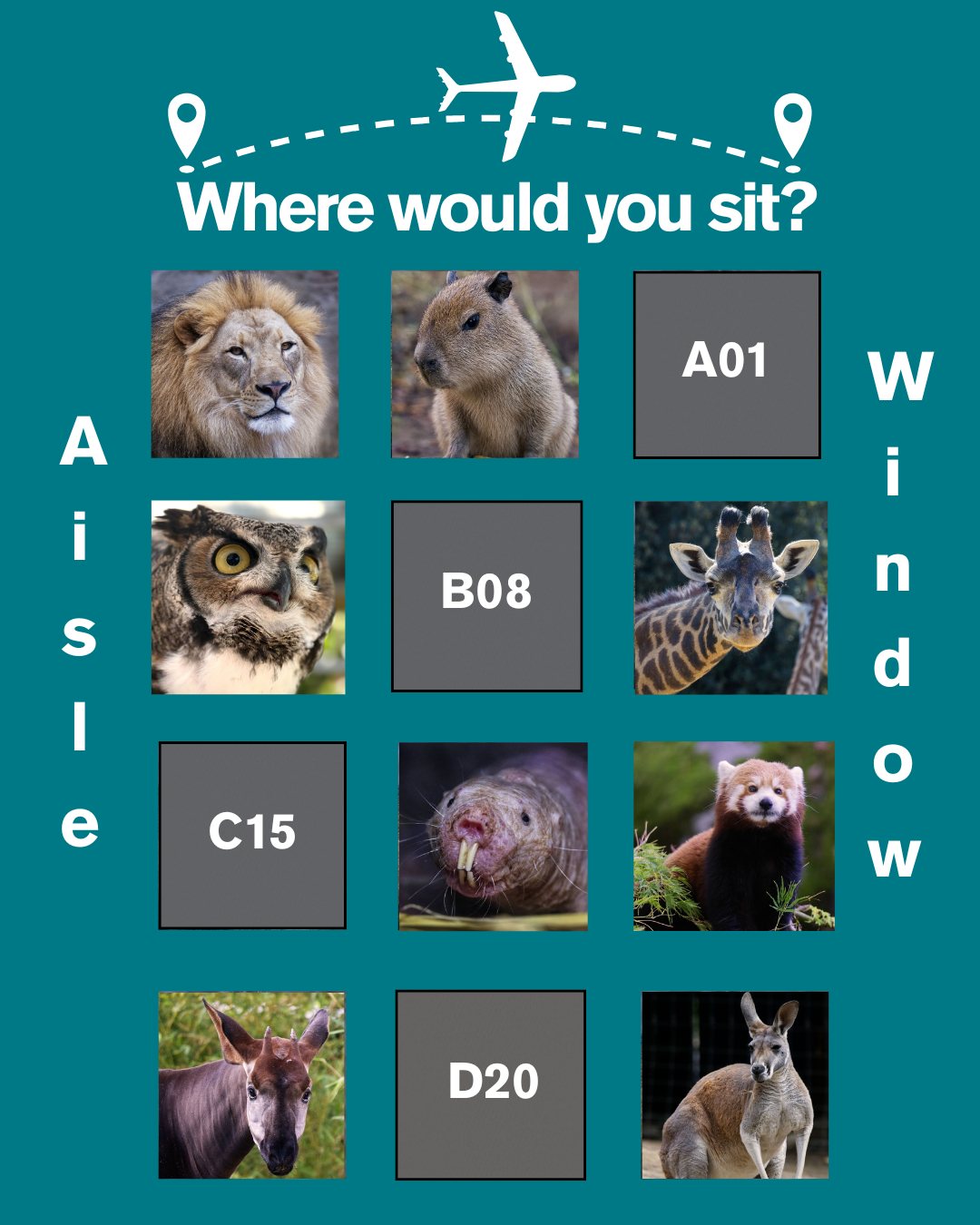
You’re headed home for the holidays, and these are your only seating options. ✈️
Where are you sitting? Let us know in the comments below!
