
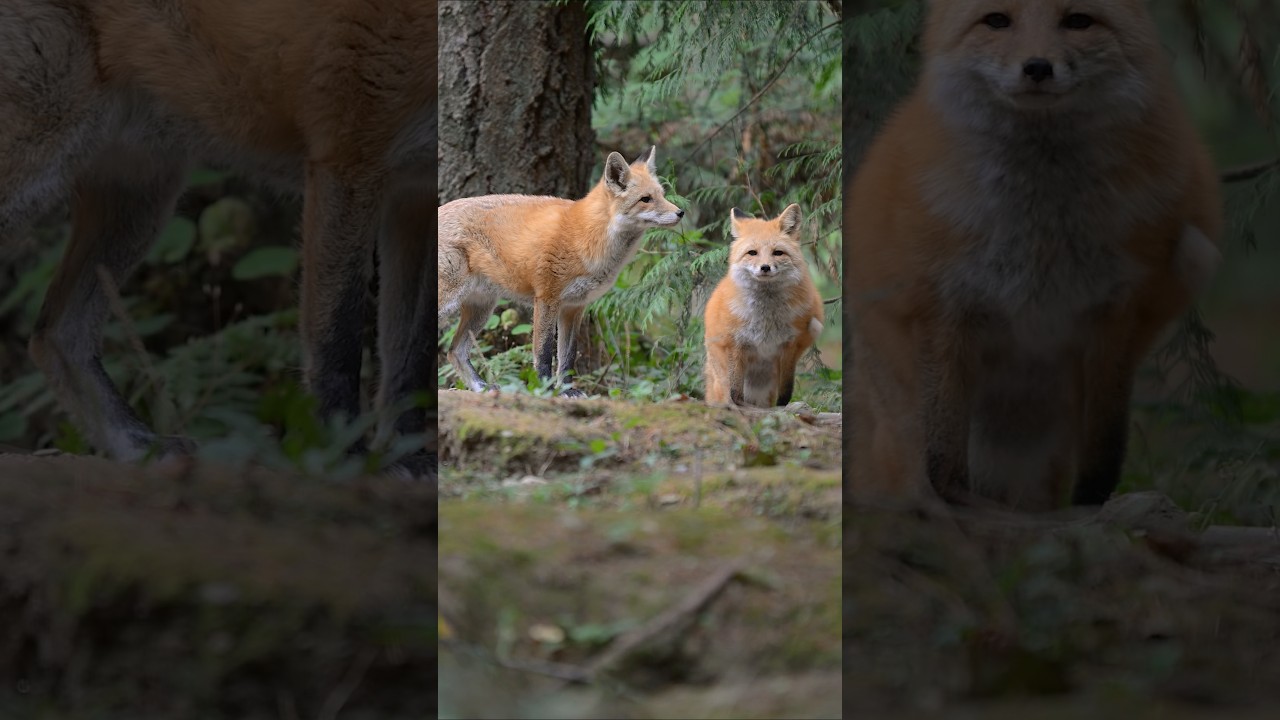
- The life journey and current status of rescued senior red fox siblings.
- The significance of updated habitat environments for senior animals in captivity.
- Insights into red fox behavior, biology, and interaction within their habitat.
- The role of zoos in wildlife conservation and public education.
- Challenges and strategies in managing aging wildlife in captivity.
Rescued from precarious circumstances as pups, our red fox siblings have thrived under careful care. Now seniors, their journey is a testament to the commitment of wildlife conservation and the art of zookeeping. Providing a safe habitat that reflects their natural needs has been a priority, and their newly updated environment is designed to offer comfort while accommodating their aging requirements.
Red foxes (Vulpes vulpes) are known for their adaptability and intelligence. They inhabit a range of environments across the Northern Hemisphere, from forests to urban areas. The fox siblings, at their advanced age, still retain the curiosity and playfulness typical of their species. The newly renovated habitat provides enrichment opportunities crucial for mental stimulation, with features mimicking natural landscapes, offering variety in textures, and enabling them to engage in instinctive behaviors such as digging and foraging.
Habitats for senior animals are specifically designed to address their changing needs. For the senior fox siblings, soft substrates and gently sloping terrains prevent joint strain. Sheltered areas shield them from extreme weather, while innovative feeding solutions cater to any dietary changes they may require. The foxes’ habitat is also equipped with stimuli that promote engagement, such as scents and objects to explore, reflecting their natural predilections.
As senior animals, these foxes offer a unique educational opportunity. Red foxes serve as an important subject for public learning, illustrating the challenges faced by native wildlife in various ecosystems. Through engagement with such animals, zoos have a platform to enlighten visitors on broader ecological issues, from habitat destruction to the impacts of urbanization. Zoo-based programs can foster a connection between people and wildlife, echoing the necessity of conservation efforts.
Zoos play a critical role in wildlife conservation, offering sanctuary and expertise in animal management. They serve both as educators and as essential players in global conservation initiatives. By housing non-releasable animals like our fox siblings, zoos contribute to species preservation, encouraging public awareness while supporting research on animal welfare.
However, managing aging animals presents challenges. Older animals can experience health issues that require attentive care. Advanced veterinary practices, tailored diets, and observational monitoring are part of daily routines. Each change in behavior or appetite is examined closely. Keeping a record of health patterns allows caretakers to swiftly adjust management practices to suit the animals’ evolving needs.
In sum, the rescue and continuous care of the fox siblings highlight the importance of dedicated conservation efforts. The challenges and achievements in managing their welfare provide critical insights into the complex dynamics of zoo-based care for aging wildlife. As these foxes continue to live out their lives in a carefully managed environment, they offer a powerful narrative about resilience, adaptability, and the value of wildlife conservation initiatives.
*****
Source Description
