
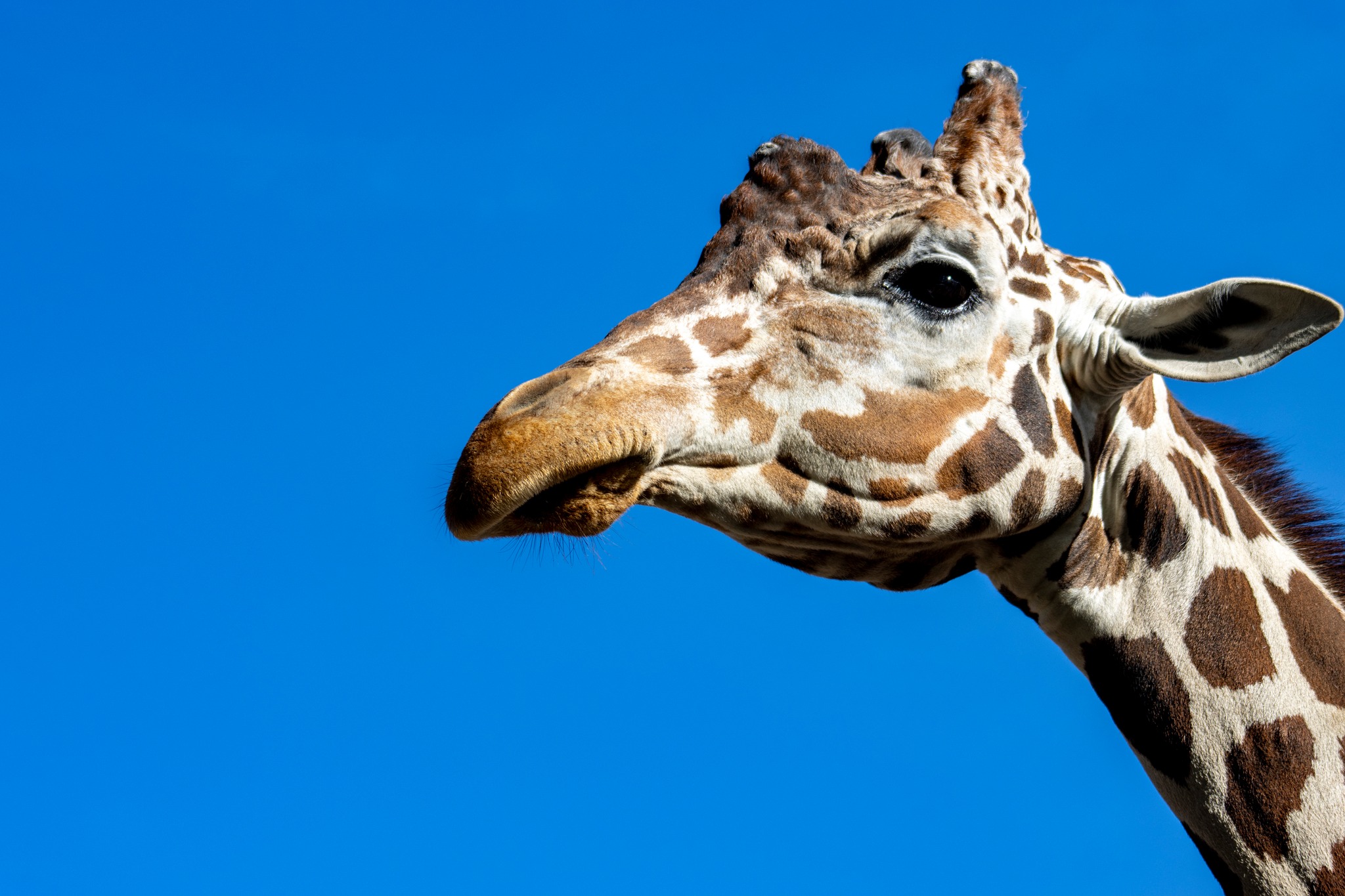
- Importance of animal care in zoos and wildlife facilities
- Overview of Juani’s hoof procedure
- Community involvement and support for animal care
- Impact of medical procedures on animal wellbeing
- Future updates and engagement with the public
The role of zoos extends beyond mere recreation. They serve a vital purpose in animal care, conservation, and education. Maintaining the health and wellbeing of zoo animals is a priority, and this commitment necessitates specialized procedures and attentive support from staff and the community. Today, on Sunday, November 2nd, the zoo is closed as it prepares for and performs an important procedure for Juani, an animal under its care.
To comprehend the significance of this event, one must understand the intricate aspects of animal health in captivity. Veterinary care in zoos consists of preventive health strategies, diagnostics, and treatment interventions. Zookeepers and veterinarians work hand-in-hand to develop comprehensive care plans tailored to each species’ specific needs. The welfare of animals, like Juani, reflects the ongoing mission of zoos to promote conservation and animal health.
Juani’s hoof procedure is a routine but crucial aspect of animal care. Hoof health is essential for many species, especially those that are large or have specific weight-bearing requirements. Problems with hoof health can lead to pain, difficulties in mobility, and in severe cases, can affect the overall well-being of the animal. Regular veterinary assessments, including monitoring the condition of hooves, are integral to preventing issues before they arise.
For Juani, this hoof procedure entails a thorough evaluation and, if necessary, treatment of any abnormalities. Zookeepers often watch for signs that indicate hoof problems, such as limping or changes in behavior. Treatments can range from trimming to surgical interventions, depending on the level of care required. During this process, sedation may be necessary to ensure Juani remains calm and cooperative, a common practice for various medical treatments to promote safety and reduce stress.
Community support plays a large role in ensuring the success of animal care practices. The outpouring of kind words for Juani and his care staff demonstrates the important bond between zoos and their visitors. Such support not only boosts staff morale but also helps to create a sense of ownership and connection in the community. Educational outreach about procedures like Juani’s not only informs the public but fosters empathy and stewardship for wildlife conservation.
Public engagement is vital. Through avenues such as social media or educational programs, zoos can communicate updates about animals like Juani. Transparency builds trust and encourages ongoing patronage. People appreciate knowing that their visits and donations support specific initiatives, including critical medical care for zoo inhabitants.
The impact of medical procedures extends beyond immediate care. Successful interventions often lead to improved quality of life for the animal, contributing to better engagement observably during public viewings. Juani’s recovery and enhanced mobility may mean he can participate in enrichment activities, which are designed to stimulate natural behaviors. These activities provide an essential outlet for animals in captivity, ensuring they remain physically and mentally active.
Medical advancements in veterinary care allow for the application of innovative techniques that improve outcomes. For instance, minimally invasive methods can reduce recovery times, enhancing how quickly animals can return to their routines. Zoos are continuously evolving their practices based on the latest scientific research, thereby improving their ability to foster healthy, thriving populations of animals.
Updates on Juani’s progress will be shared following his procedure. While the zoo reaches out to inform the public, it remains focused on Juani’s care and supports his recovery as a top priority. Engaging with the community about Juani’s journey promotes awareness of the challenges zookeepers face and the concerted efforts made to ensure exemplary animal care.
In light of Juani’s procedure, it’s vital to keep in mind that animal care goes beyond medical treatment. It encompasses habitat enrichment, nutrition, behavioral studies, and educational outreach. Zoos must be responsive to the evolving needs of the animals in their care, thereby fostering a holistic approach to health and wellbeing.
The willingness of the community to support such efforts is invaluable. People learn about the intricacies of animal care and conservation, appreciating the expert knowledge that staff brings to the table. This collaborative spirit propels zoos toward their mission of conservation and education.
Juani’s case emphasizes the importance of specialized veterinary care for zoo animals. It also highlights how animal welfare is a shared responsibility between the animals, the zoo, and the community that supports it. This combined effort creates an environment where animals can thrive, and education about their needs can flourish.
In closing documents, reminders of such closures give pause for reflection on the dedication involved in animal husbandry. The setting of days like today provides opportunities for people to appreciate the complexity of care that goes into helping these animals. As the zoo prepares for Juani’s procedure, the collective compassion and support from visitors signal a deep-rooted concern for animal welfare.
During this critical time, everyone involved can take pride in their roles – from care staff who work diligently behind the scenes to the community offering encouragement and support. Each contribution plays a part in promoting awareness about wildlife conservation and the importance of high standards for animal care.
The connection to the community also often leads to increased attendance and support for future programs that foster both education and awareness. The role of zoos as educational institutions cannot be understated. They act both as a refuge for various species while serving as a hub for learning about conservation efforts.
Furthermore, public awareness is necessary to foster growth in wildlife protection efforts. By understanding projects like Juani’s hoof procedure, individuals can become advocates for animal welfare and support legislative initiatives aimed at conservation.
Juani’s hoof procedure is more than an event on a calendar; it encapsulates the daily responsibilities, challenges, and triumphs associated with wildlife guardianship. As updates are shared, everyone can witness how collective support translates into positive results for wildlife preservation efforts.
*****
Source Description
Reminder:
The Zoo is closed today, Sunday, November 2nd, as we set up and perform Juani’s hoof procedure.
We are so thankful for the outpouring of kind words that we have received for Juani and his care staff! Your support during this time means so much to all of us!
We will be sure to share any updates as soon as we can, however, please be patient with us as supporting Juani and his recovery is our top priority at this time.
Thank you all!
