
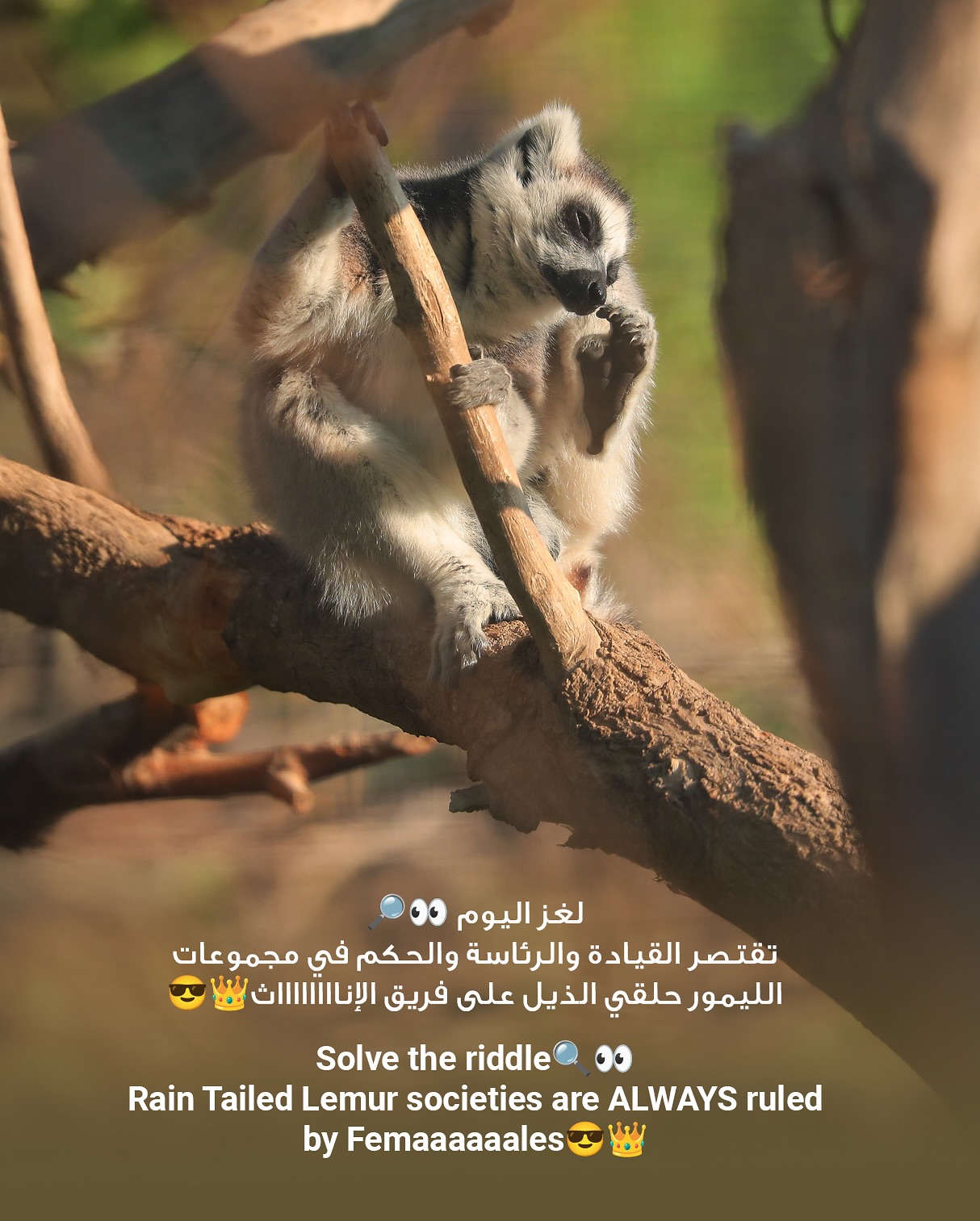
- The significance of wildlife conservation in modern society
- Effective zoo management practices and their impact on animal welfare
- The roles and responsibilities of zoos in education and research
- Conservation breeding programs and their influence on endangered species
- The importance of community engagement in wildlife conservation efforts
Wildlife conservation has gained increasing importance in contemporary society. As human activities continue to threaten the natural world, the necessity for effective conservation strategies becomes increasingly evident. Wildlife, which includes all living organisms that are not domesticated, plays a fundamental role in ecological balance. The decline of species due to habitat destruction, climate change, poaching, and pollution has compelling implications for global biodiversity and ecosystem health. Effective conservation efforts aim to maintain healthy populations of species, restoring their natural environments and ensuring that future generations can enjoy the diverse life forms that share our planet.
Zoo management plays a crucial role in wildlife conservation. Modern zoos have evolved from simple animal exhibits into centers that focus on the overall welfare of animals and the education of the public. This transition reflects a growing understanding of the needs of various species and the importance of providing enriched environments. Effective zoo management practices involve comprehensive care for animals, including designated habitats that mimic their natural environments, specialized diets that meet nutritional needs, and robust veterinary care. These practices help reduce stress levels in captive animals, which leads to improved health and longevity.
Education and research are pivotal components of modern zoos. Zoos serve as informal educational institutions that promote awareness of conservation issues and the importance of biodiversity. By providing interactive exhibits and expert talks, they engage visitors while fostering empathy and respect for wildlife. Research conducted in zoos also provides critical insights into animal behavior, reproductive biology, and disease management. This information can be crucial for initiatives aimed at preserving endangered species in the wild. Moreover, many zoos partner with academic institutions to advance research efforts, solidifying their role as a key player in conservation science.
Conservation breeding programs are another vital aspect of wildlife conservation, particularly for endangered species. Through controlled breeding strategies, zoos can maintain genetic diversity and help boost populations of species at risk of extinction. These programs often involve collaboration with other zoos and wildlife organizations around the globe. For instance, the Species Survival Plan (SSP) program in the United States connects various zoos to ensure healthy breeding between genetically compatible individuals. The reintroduction of species into their native habitats, following successful breeding, can restore important ecological functions and contribute to long-term species viability.
Community engagement is essential for successful wildlife conservation efforts. Zoos often play a critical role in connecting with local communities and inspiring them to take action. Through outreach programs, conservation campaigns, and volunteer opportunities, zoos encourage the public to participate in safeguarding wildlife. Effective conservation cannot rely solely on institutions; it requires a collective effort from individuals, organizations, and policymakers. Public engagement leads to informed citizens who are more likely to support conservation initiatives and advocate for sustainable practices.
Although zoos and wildlife conservation organizations often focus on their specific roles, collaboration across these fields is vital for achieving long-term success. Many problems faced by wildlife are interconnected, including economic pressures, habitat loss, and climate impacts. Partnerships among governments, NGOs, and local communities can address these challenges holistically. By sharing resources, expertise, and data, these organizations can create more effective and sustainable conservation strategies.
Moreover, technology increasingly aids conservation efforts. Digital tools are now used for tracking wildlife populations, monitoring habitats, and analyzing data for informed decision-making. GPS collars, camera traps, and mobile applications allow researchers to gather valuable information about animal movements and behavior. This data can inform the management of reserves and protected areas. In urban settings, technology can facilitate community engagement through citizen science initiatives, allowing people to contribute valuable observations to conservation projects.
Education within the realm of conservation is multifaceted. It involves not only informing people about species and habitats but also fostering a deeper connection with nature. Interactive experiences, such as wildlife tracking workshops or conservation-related art projects, can ignite a passion in individuals to protect local ecosystems. Educational initiatives are also crucial for younger generations, as fostering a respect for nature early on can lead to lifelong engagement in conservation activities. Schools and community programs benefit significantly from collaboration with local zoos and wildlife organizations, enhancing educational value and extending the reach of conservation messages.
The importance of sustainable development cannot be overstated when discussing wildlife conservation. Sustainable practices involve ensuring that local communities can thrive economically while safeguarding ecosystems. Various models demonstrate that integrating conservation into economic policies can yield positive results. Sustainable tourism, for instance, can provide income while simultaneously fostering an appreciation for preserving natural habitats. Such approaches encourage awareness of local wildlife and biodiversity, ensuring that conservation remains a priority at both community and governmental levels.
Conservation challenges are massive, especially when confronting issues like climate change. Changes in weather patterns disrupt migratory routes, breeding seasons, and food availability for many species. Comprehensive conservation strategies must be adaptable and account for these factors. Environmental education that emphasizes the impact of climate change on biodiversity is essential. By informing the public about these interconnections, individuals can understand their role in mitigating these broader ecological issues.
Zoos and wildlife organizations are increasingly adopting ethical approaches to animal welfare and exhibit design. Understanding animal behavior and needs leads to more expansive enclosures that promote natural behaviors. Enrichment activities involve stimulating animals mentally and physically, allowing them to express their wild behaviors even in captivity. This shift is crucial not only for animal welfare but for visitor engagement as well. Observing active, healthy animals within their naturalistic habitats inspires a more profound respect for wildlife.
Animal welfare is inextricably linked to genetics and health management in conservation breeding programs. Zoos often conduct thorough genetic testing to minimize inbreeding and maintain healthy gene pools. Advances in reproductive technologies, such as artificial insemination and embryo transfer, have dramatically improved success rates in breeding endangered species. Such methodologies offer alternative pathways for species that may be too small or too challenged genetically to reproduce in natural settings.
Community-led initiatives, such as local wildlife monitoring programs or habitat restoration projects, have become integral components of modern conservation efforts. These initiatives empower local communities, allowing them to take ownership of their natural resources. When communities actively participate in conservation, they are likelier to adopt sustainable practices and support legislative changes that bolster protective measures for wildlife.
In the context of zoo management, enhancing visitor experience through interactive avenues is also a focus. Engage the public through workshops, animal encounters, and feedings, sparking interest in species and their conservation needs. Zoos serve not just as a place to observe wildlife but as a platform for creating advocates for conservation. Wildlife documentaries, virtual tours, and educational seminars can also expand public understanding beyond the zoo grounds.
Collaboration among zoos, wildlife agencies, and academic institutions is vital for advancing conservation. Joint efforts in research, data sharing, and sharing expertise enhance knowledge across fields. These partnerships can lead to innovative approaches that may not be achievable when working independently. For example, studying animal behaviors in a zoo setting can lead to insights applicable to wildlife management in natural environments.
Conservation is a global endeavor that requires commitment from everyone, regardless of geographic location. It must transcend cultural and political differences to promote worldwide biodiversity. International cooperation is crucial for tackling poaching, climate threats, and habitat destruction. Conventions such as the Convention on Biological Diversity emphasize collective responsibility for preserving global biodiversity.
Thriving ecosystems depend on the interrelationship between various species and their habitats. Disruption of one species can lead to cascading effects that threaten the structure and function of entire ecosystems. Conservation strategies must recognize these intricate relationships and prioritize the protection of keystone species—those that have a disproportionately large impact on their environment despite their relative abundance.
Wildlife conservation is not merely the responsibility of zoos or wildlife agencies but requires a unified effort from every individual. Engaging with local parks, supporting conservation campaigns, and advocating for responsible consumer choices can contribute significantly to maintaining biodiversity. When communities come together, they can create powerful movements that influence policies to protect wildlife.
Understanding the significance of personal action can lead to significant change, regardless of its scale. Whether it involves planting native flora, reducing waste, or participating in community clean-ups, each action contributes to a healthier environment for both wildlife and people. Education surrounding sustainable practices can elevate awareness and inspire collective efforts.
Several organizations are dedicated to wildlife conservation, each addressing various aspects of the issue. From international NGOs to local grassroots initiatives, these entities provide crucial frameworks for collective action. Support for these organizations through volunteering, donations, or participation in their programs creates a ripple effect in the realm of conservation efforts.
The journey towards effective wildlife conservation is one that requires commitment and involvement at every level of society. By enhancing educational opportunities, fostering community engagement, and implementing innovative management practices in zoos and conservation organizations, we can create a more sustainable future for wildlife. This integrated approach ensures a harmonious coexistence between humans and the myriad of species with which we share our planet.
*****
Source Description
شاركونا إجاباتكم بدوووون سحب الصورة😏☝🏻
.
.
You know the drill .. No swiping allowed😏☝🏻
