
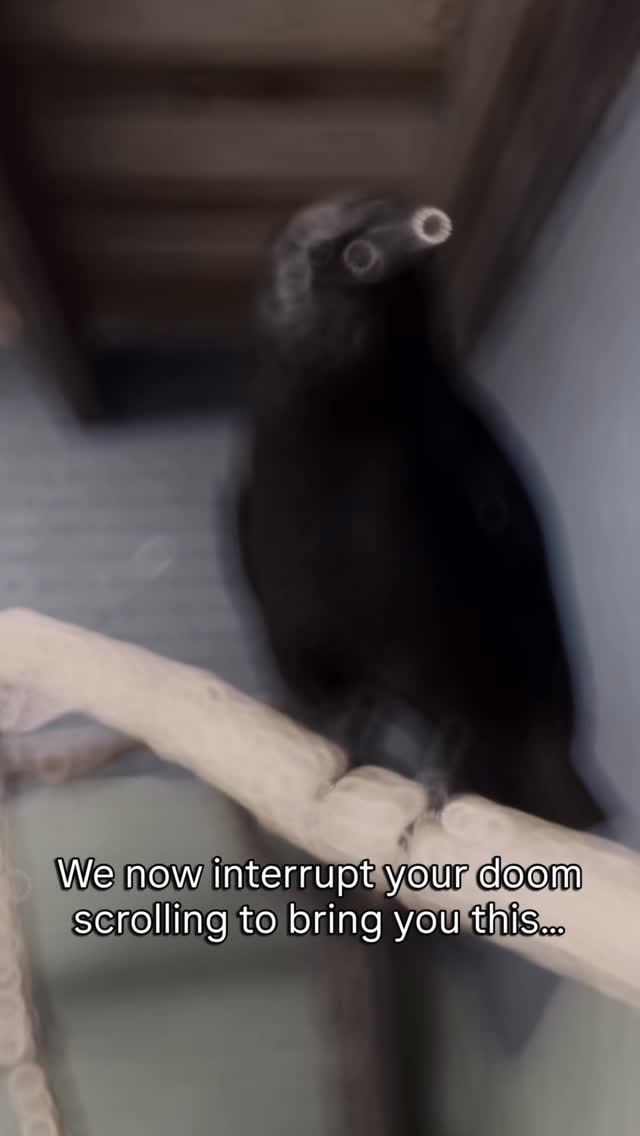
- A brief overview of Harriet, a significant figure in wildlife conservation.
- The mental health implications of doom scrolling.
- The value of direct engagement with wildlife versus passive consumption.
- Strategies for effectively channeling time towards positive environmental impact.
- How a few seconds of meaningful interaction can lead to substantial changes.
Harriet, an exceptional parrot in the wildlife conservation arena, exemplifies the power of direct engagement with animals. Parrots, known for their intelligence and social nature, serve as ambassadors for their species. Harriet’s story, enriched by her role in promoting awareness of habitat loss and the importance of biodiversity, illustrates how a brief interaction with wildlife can be more enriching than hours spent doom scrolling through social media feeds. People often find themselves caught in the spirals of negative news cycles, while meaningful moments with animals can rekindle hope and inspire actionable change.
The mental health implications of doom scrolling are significant. Studies have shown that excessive media consumption, particularly content focused on negative events, can heighten stress and anxiety levels. The constant influx of alarming news can lead to feelings of helplessness and despair. Instead of nurturing constructive feelings, doom scrolling often fosters disengagement and cynicism. In contrast, dedicating just a few moments of your day to interacting with an animal like Harriet provides respite from this cycle. The joy of witnessing animal behavior and understanding its role in the ecosystem can serve as a grounding experience, reorienting your perspective towards positivity and empowerment.
Interactions with wildlife present a pivotal opportunity to advocate for conservation. By witnessing an animal’s behavior, individuals can garner an appreciation for the delicate balance in natural ecosystems. Engaging with animals encourages a shift away from passive observation to active participation. Visiting a local zoo or wildlife sanctuary allows for personal connections that can motivate broader community involvement in conservation efforts. The thrill of feeding a giraffe or listening to the call of a wild bird can ignite a passion for nature that instills a desire to protect it.
To channel the time often lost in doom scrolling into more positive actions, consider specific strategies. One effective approach is to dedicate time each day to learning about wildlife and conservation initiatives. This could take the form of reading articles, watching documentaries, or taking part in local wildlife workshops. Each small initiative adds up, transforming mere curiosity into active citizenship. The cumulative effect can lead to larger societal changes, as informed individuals spread knowledge and motivate others to value their natural surroundings.
Time spent with animals, even if it’s brief, cultivates a bond that can lead to lasting change. Each interaction has the potential to spark a deeper understanding of conservation issues. For instance, observing how Harriet interacts with her keepers can reveal much about animal behavior and the importance of establishing trust in human-animal relationships. Such experiences often transform individuals from passive consumers of media into active participants in wildlife protection campaigns.
One of the critical aspects of successful zoo management and wildlife conservation involves fostering emotional connections between the public and wildlife. Programs that encourage animal encounters or educational workshops enhance visitor experiences. When people form emotional ties to individual animals, their likelihood of becoming advocates for conservation increases. When visitors leave the zoo or sanctuary, they carry not just memories but also a sense of responsibility for safeguarding wildlife.
The decline of species worldwide is alarming, further necessitating the urgency of conservation efforts. Crisis-driven news often overshadows successes in wildlife recovery, leading to a skewed perception of the ecological landscape. It’s vital to recognize that not all news from conservation areas is negative. Success stories, such as the recovery of certain species from the brink of extinction, showcase the impact of dedicated conservation efforts. Spending time engaging with these narratives fosters hope and informs the public about the actions that can lead to positive outcomes.
Equally important is the education concerning the environmental challenges species face. Understanding habitat loss, climate change, and poaching can empower individuals to affect change in their communities. This knowledge gives context to their experiences with wildlife, transforming fleeting moments into calls to action. Programs designed for educational outreach can enhance understanding and inspire civic responsibility in youth. Engaging young minds is crucial for the ongoing narrative of conservation.
Additionally, consider the role of social media in promoting wildlife conservation. While doom scrolling can have negative effects, targeted social media campaigns can inspire and educate. Organizations dedicated to wildlife preservation often share valuable information, success stories, and ways to get involved. This blend of media presents a chance to replace harmful behaviors with constructive engagement. Following organizations that highlight positive animal conservation efforts can shift focus away from despairing news to uplifting stories that promote proactive behaviors.
Creating habits around meaningful interactions with wildlife can also foster a culture of conservation. Simple actions, like volunteering for a local wildlife organization, can keep individuals engaged in positive avenues. These experiences cultivate an appreciation for nature and a desire to protect it. Aligning personal values with conservation goals is a positive trajectory for mental well-being.
Moreover, fostering practices such as mindfulness in nature can lessen the urge to engage in patterns like doom scrolling. Nature therapy, or ecotherapy, is a growing field that emphasizes the mental health benefits of spending time outdoors. Being in nature can reduce stress and anxiety, acting as a natural antidote to the relentless stream of negativity found online. Activities such as birdwatching or walking in a park can cultivate profound moments of reflection and tranquility.
It is essential to reframe the narrative surrounding wildlife interactions to highlight their importance. A few seconds of joyful connection with animals lead not only to personal fulfillment but also inspire widespread conservation efforts. Engaging with the environment actively combats the mental fatigue of doom scrolling. The insights gained during these precious moments often guide individuals towards positive change, demonstrating the intrinsic value of wildlife.
The ethical considerations surrounding wildlife interactions must also be acknowledged. Organizations must prioritize the welfare of animals and ethical engagements. Programs that offer immersive experiences should always operate within a conservation mindset, ensuring that the animal’s needs come first. This ethical approach fosters trust between institutions and the public, creating a shared commitment to protect wildlife.
Furthermore, delving into the psychology of animal interactions reveals fascinating insights about human behavior. Research indicates that direct, positive experiences with animals can significantly improve mood and overall mental health. This emotional boost counters the isolation often felt during extensive media consumption, showing how meaningful interactions can ground us.
In advocacy, the effectiveness of storytelling cannot be overlooked. Narratives focusing on animal welfare evoke emotional responses that can motivate action. Sharing stories about animals like Harriet can foster empathy, urging others to consider their roles in conservation. As these narratives spread, they generate momentum, attracting more support for wildlife protection initiatives.
The digital age presents both challenges and opportunities for mental well-being. While online platforms can facilitate doom scrolling, they also provide a stage for awareness-raising and educational content. Harnessing the potential of social media to spread positive messages about wildlife conservation can shift public perception, reinforcing the importance of protecting our planet’s biodiversity.
Ultimately, investing time and attention in wildlife conservation yields benefits far beyond individual experiences. Engaging in meaningful interactions with nature leads to societal changes that can have profound implications for environmental stewardship. The difference between a few seconds of Harriet and hours of doom scrolling embodies the choice between passivity and active engagement. Moments spent with wildlife can spark transformative shifts, making each second invaluable.
The journey towards greater awareness of conservation issues invites everyone to take part. Each interaction with wildlife creates a ripple effect, urging communities towards sustainable practices and environmental conservation. These actions ultimately contribute to a brighter future. The collective power of individuals engaged in meaningful wildlife experiences fosters a spirit of collaboration that can drive impactful change.
The contrast between a few seconds of a joyful encounter with wildlife and the often wearying act of doom scrolling highlights the potential of active engagement. Taking the time to learn, connect, and advocate for wildlife can lead to a sense of purpose and fulfillment. Every effort counts, shaping not only personal experiences but also the future of our planet’s diverse ecosystems.
*****
Source Description
A few seconds of Harriet > hours of doom scrolling. Prove us wrong 🖤
