
- The Enhanced African Lion Habitat: Design and Features
- The Role of Zoo Atlanta in Conservation Efforts
- Understanding African Lions: Behavior and Social Structure
- The Importance of Visitor Engagement and Education
- How to Support Lion Conservation Initiatives
The Enhanced African Lion Habitat: Design and Features
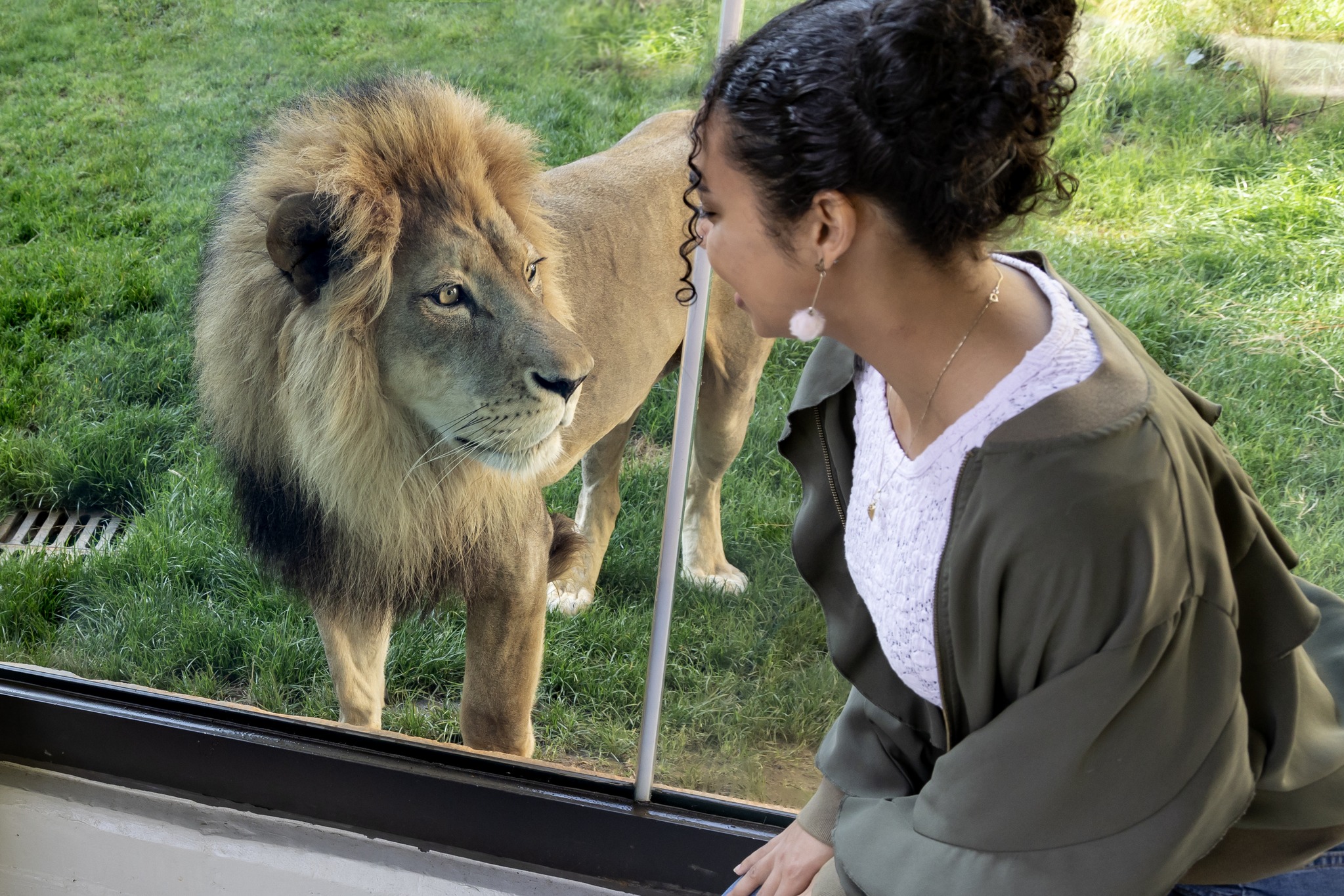
The recently revamped African lion habitat at Zoo Atlanta represents a significant advancement in the way these majestic creatures are exhibited and cared for. Designed with both the lions’ needs and visitor experiences in mind, the new layout promotes natural behaviors. The habitat offers expansive areas that closely mimic the savannahs of their native Africa, complete with rocks, trees, and water features. These key elements encourage the lions to explore, climb, and engage in social interactions.
The viewing areas have also been designed with enhanced sightlines. Large glass panels allow visitors to observe the lions at close quarters while maintaining a safe distance. This innovative approach enhances interaction by giving guests a clear perspective on the lions’ daily activities, from hunting behaviors to playful interactions. The habitat also includes shaded areas and private spaces where lions can retreat, thus reducing stress and fostering a more natural lifestyle.
Incorporating exciting educational installations, the new habitat includes informative displays about African lions, their ecology, and their conservation status. This combination of modern design and educational value makes the experience not only enjoyable but also enriching for visitors and beneficial for the lions.
The Role of Zoo Atlanta in Conservation Efforts
Zoo Atlanta plays a vital role in the conservation of African lions. As part of various wildlife organizations and breeding programs, the zoo focuses on the survival of this iconic species. African lions are classified as vulnerable by the International Union for Conservation of Nature (IUCN), with populations dwindling due to habitat loss, human-wildlife conflict, and poaching.
Zoo Atlanta not only participates in conservation programs but also raises awareness about the necessity for sustainable practices. The lions at Zoo Atlanta are involved in active breeding programs that aim to ensure genetic diversity and bolster populations. Collaborations with institutions worldwide help facilitate these efforts. By engaging in research and developing effective conservation strategies, Zoo Atlanta contributes significantly to the long-term survival of African lions both in captivity and in the wild.
Visitor engagement is key in conservation, and Zoo Atlanta aims to inform and inspire the public. Through educational programs, events, and campaigns, guests are encouraged to learn more about the ecological challenges facing lions and how they can contribute to their conservation.
Understanding African Lions: Behavior and Social Structure
African lions exhibit complex social structures, which sets them apart from many other big cats. Females typically form prides, which consist of related lionesses and their cubs. Males may either reside within a pride or roam solo until they are mature enough to establish their own territory. Understanding this social behavior is important for both conservation efforts and effective management in captive settings.
The social dynamics within a pride can be quite intricate. Lionesses cooperate in hunting, which is crucial for bringing down larger prey. They often use tactics such as stalking and ambushing to secure food effectively. Observations in the new habitat at Zoo Atlanta allow visitors to witness these behaviors firsthand. Keeping fish or meat behind glass not only allows for better viewing but also encourages natural hunting behaviors, enriching the overall experience for both lions and humans.
In addition to their social structures, understanding the various sounds and body language of lions can enhance visitor knowledge. For instance, roars can communicate territorial claims, while growls may indicate discomfort. Vocalizations and interactions reveal intricate details about their social hierarchy and emotional states.
The Importance of Visitor Engagement and Education
Engaging the public is essential for promoting wildlife conservation. The all-new African lion habitat at Zoo Atlanta serves this purpose effectively. Educational signage, interactive displays, and guided tours are integrated into the experience, enriching visitors’ understanding of lions and their importance in the ecosystem.
Encouraging visitors to take photos and share their experiences through social media increases awareness. When people post pictures and tag Zoo Atlanta, they become ambassadors for conservation efforts. The excitement around seeing lions up close fosters a personal connection, motivating individuals to participate in conservation initiatives.
Moreover, educational programs for various age groups allow families to engage in hands-on activities that highlight the importance of conservation. Whether through workshops, guided tours, or special presentations, these encounters provide practical knowledge that visitors can take beyond the zoo.
By aligning their programs with conservation goals, Zoo Atlanta is committed to fostering a community that values wildlife stewardship. Through the use of social media, they invite visitors to share their experiences, amplifying the zoo’s mission.
How to Support Lion Conservation Initiatives
Supporting lion conservation can begin at the individual level. Zoo Atlanta provides various avenues for community involvement. Donations to specific conservation projects can directly impact the programs that focus on preserving the African lion population.
Additionally, becoming a member of the zoo allows individuals to contribute while enjoying a plethora of benefits. Membership funds often support educational initiatives and wildlife care, fostering a deeper understanding of ecological challenges.
Participating in zoo events can also make a difference. Many of Zoo Atlanta’s programs promote awareness of local and global conservation issues. Workshops, seminars, and community outreach events engage individuals in meaningful discussions about wildlife habitat preservation.
Advocacy is another way to support lion conservation. Simple actions, such as spreading the word about the threats facing lions or engaging in responsible tourism practices, contribute to the broader efforts needed to protect these iconic animals.
From adopting sustainable practices in daily life to supporting organizations dedicated to wildlife conservation, there are numerous ways to positively influence lion populations. Together, these efforts help ensure that future generations will have the opportunity to witness the majesty of African lions, whether in the wild or in environments like Zoo Atlanta’s enhanced habitat.
Through the integration of cutting-edge design, thoughtful conservation strategies, and engaging visitor experiences, the new African lion habitat at Zoo Atlanta exemplifies a modern approach to wildlife management and education. This model not only supports the very survival of these magnificent creatures but also ignites passion in the public and emphasizes the importance of collective action in wildlife conservation.
*****
Source Description
We love seeing all your photos by the all-new African lion habitat! Swipe through to see how their habitat has changed for better viewing and don’t forget to tag us @zooatl when you post photos. We’d love to share your selfies with Hondo, Hatari and Azizi!
