
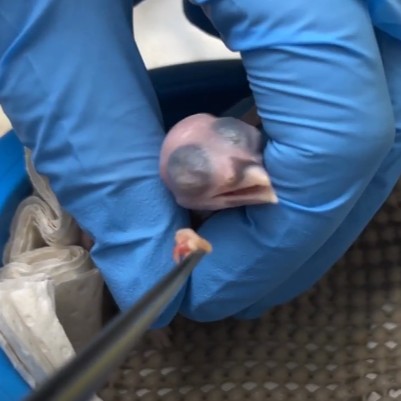
- The successful breeding of the Sihek (Guam kingfisher) at the Cincinnati Zoo.
- The historical decline of Sihek populations due to the introduction of the brown tree snake and its impact on Guam’s ecosystem.
- The role of AZA-accredited zoo facilities in the conservation and recovery of the Sihek.
- Conservation strategies and breeding programs employed by zoos to maintain a sustainable Sihek population.
- The ongoing efforts to re-establish a wild population of Sihek in Guam.
The Cincinnati Zoo recently celebrated a significant milestone with the hatching of its first Sihek chick of the year. This achievement is more than just a moment of joy for zookeepers; it is part of a larger narrative focused on conservation and the restoration of a severely threatened species. The Sihek, also known as the Guam kingfisher, is emblematic of the challenges faced by island ecosystems when invasive species are introduced.
The decline of Sihek populations can be traced back to the mid-20th century when the brown tree snake was unintentionally brought to Guam. The repercussions were catastrophic. This snake predated on native bird species indiscriminately, severely reducing their numbers. By the 1980s, the Sihek had become one of the most endangered bird species in the world, with fewer than a handful left in the wild. In response to this crisis, a group of dedicated biologists and conservationists took action. They captured 29 Sihek for a breeding program, which provided a critical lifeline for the species.
The Cincinnati Zoo is among about two dozen facilities accredited by the Association of Zoos and Aquariums (AZA) that are active participants in the conservation efforts for the Sihek. Partnering with various organizations and researchers, these institutions share a commitment to building a sustainable, managed population of this bird species. Their goal extends beyond breeding; it seeks to eventually re-establish Sihek in their native habitat on Guam.
The breeding programs undertaken at facilities like the Cincinnati Zoo focus on several key aspects: genetic diversity, habitat simulation, and behavioral research. Genetic diversity is particularly crucial. Maintaining a varied gene pool helps stave off the risks associated with inbreeding. The husbandry team often collaborates with geneticists to ensure that the breeding pairs selected contribute to a healthy future population.
To cultivate a breeding environment conducive to Sihek reproduction, zookeepers replicate the natural habitat of Guam as closely as possible. Specific types of vegetation, nesting structures, and even climate conditions are profoundly considered. Behavioral enrichment also plays an essential role in this process. It is vital for Sihek to engage in natural behaviors that would be observed in the wild. These efforts not only bolster the breeding initiative but also prepare the chicks for eventual reintroduction.
Conservation programs like those at the Cincinnati Zoo have proven essential in protecting vulnerable species. The objectives are twofold: raising awareness and actively working to reverse the impacts of years of environmental stress. The partnerships formed among zoos help pool resources and information, thereby enhancing the effectiveness of these treasured conservation programs.
Another critical dimension of this effort is public engagement. Educating visitors about the Sihek’s plight and ecosystem roles is paramount for furthering conservation efforts. Zoos often conduct programs that inform the public about the specific threats faced by the Sihek and the importance of biodiversity. In engaging community members, these facilities seek to foster a collective sense of responsibility toward wildlife conservation.
Currently, the Cincinnati Zoo’s successful breeding of the Sihek represents just one piece of a broader conservation puzzle. While breeding programs are necessary for immediate population recovery, they are merely the foundational stages. The long-term goal is to return a self-sustaining Sihek population to Guam, where these birds once thrived. To do this, continual dialogue and collaboration between zoos, wildlife agencies, and local governments are essential. Understanding the broader ecological context helps refine strategies to manage and hopefully reverse species decline.
In preparing for the eventual reintroduction of Sihek to their native habitats, extensive research is being conducted on Guam’s ecosystem. This includes studying the current predation dynamics and ecological changes that have occurred since the Sihek’s decline. Proper planning is crucial; otherwise, there is a risk that the challenges of the past will resurface.
Moreover, the collaboration between conservationists and local stakeholders cannot be overstated. Invasive species management is a delicate and ongoing task that requires coordinated efforts. Local communities must be empowered with knowledge and tactics to manage invasive species effectively. Such interactions can also bolster local economies through eco-tourism, providing an incentive for residents to participate in conservation initiatives.
The Cincinnati Zoo’s breeding program for the Sihek stands as a proud testament to how modern zoological institutions can be agents for meaningful conservation efforts. As the first Sihek chick of the year begins to flourish, it embodies hope for a species once considered at the brink of extinction. This success story is not only a celebration for the zoo but also serves as a poignant reminder of the importance of biodiversity.
The experience gained from breeding Sihek and the methodologies applied can inform other conservation initiatives, both domestically and internationally. The principles developed here could be adapted to other endangered species facing similar predation or habitat loss challenges. Collaborative efforts can leverage resources across a multitude of species, cementing a culture of conservation that goes beyond individual facilities.
While the journey to re-establish Sihek in the wild is fraught with hurdles, the commitment demonstrated by the Cincinnati Zoo and affiliated organizations offers a model for future endeavors in global wildlife conservation. As various projects unfold, they will undoubtedly contribute to a deeper understanding of effective management strategies. The Sihek’s journey may inspire additional conservation initiatives aimed at safeguarding fragile ecosystems and their resident species.
As we witness the growth of the Sihek chick, there is renewed optimism not only for this distinctive bird but also for the collective efforts aimed at conserving endangered species. The engagement of zoos, biologists, policymakers, and the community will be critical in ensuring the long-term survival of the Sihek. The proactive stance taken today sets powerful precedents for future generations, steering the ongoing narrative of wildlife conservation toward a more promising horizon.
*****
Source Description
A little birdie told me – The @CincinnatiZoo welcomed its first Sihek chick of the year.
Sihek populations, also known as Guam kingfishers, were decimated in the 1940s when the brown tree snake was accidentally introduced to the islands. Guam biologists brought 29 Sihek under human care, starting a conservation breeding program in AZA-accredited zoos across the U.S.
The Cincinnati Zoo is one of about two dozen Association of Zoos and Aquariums-accredited facilities that have been working since the 1980s to build a sustainable, managed population of this bird species with the goal to re-establish a population in the wild.
Read more of this AZA “In the News” story at the link in the bio.
📷 credit: Martin Kastner, @Nature_org/@officialzsl
