
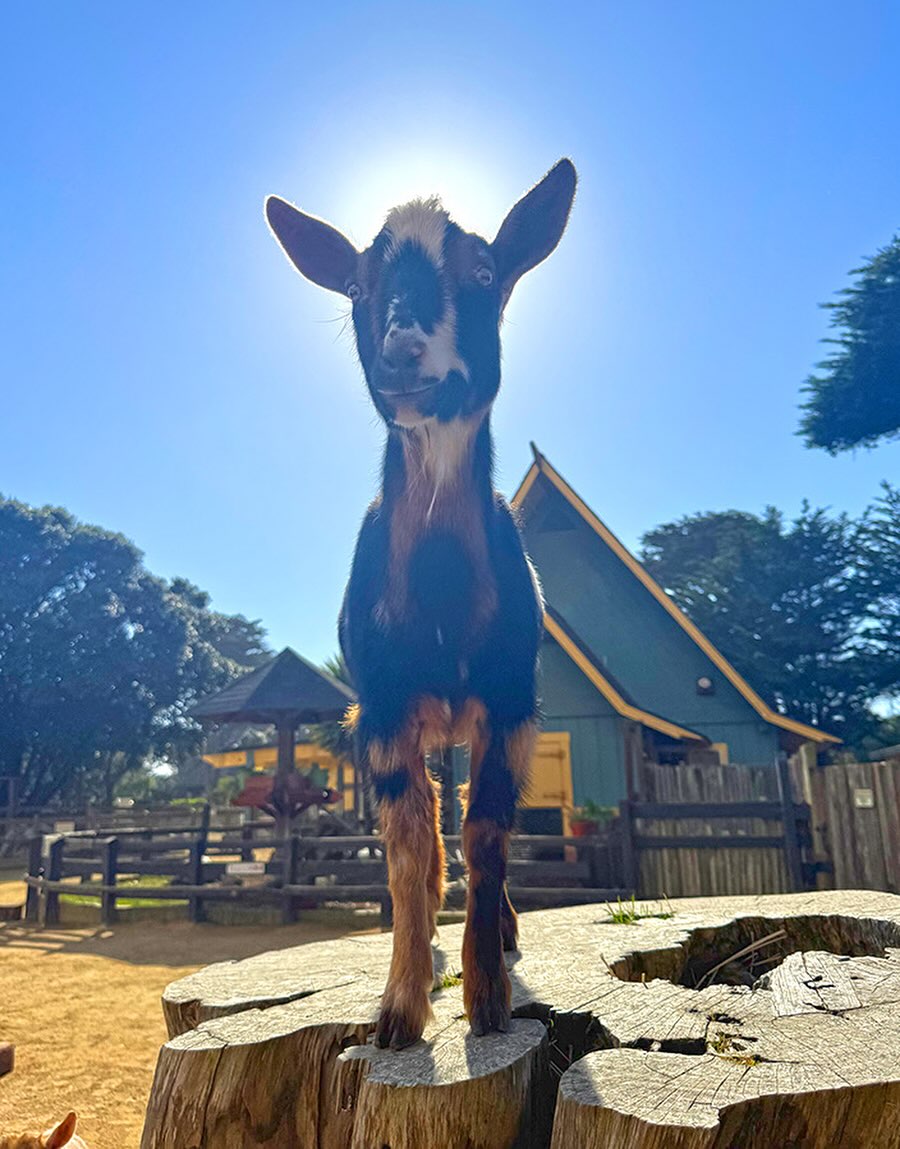
- Understanding the definition and criteria of a GOAT in animal species.
- Highlighting specific examples of animals recognized as GOATs in their domains.
- The role of zoos and wildlife conservation in supporting GOAT species.
- The impact of biodiversity and ecosystem balance in maintaining GOAT populations.
- Exploring human engagement with these species through education and conservation efforts.
The title of "GOAT"—an acronym for Greatest of All Time—has long sparked debates in various fields, from sports to music. But what about within the animal kingdom? Determining a GOAT among animal species is a nuanced task, filled with fascinating intricacies. This article explores this concept deeply, outlining criteria and examples while also considering the crucial roles played by zoos and conservation efforts.
Understanding the definition and criteria of a GOAT in animal species begins with analyzing performance, survival skills, and adaptability. A creature that thrives across different parameters, exhibiting superior technical capabilities and resilience, earns this esteemed title. In essence, the GOAT of a species boasts exceptional evolutionary success, ensuring survival across millennia. Marine creatures, apex predators, and intelligent species often feature in these discussions due to their extraordinary skills.
Consider the cheetah, whose unparalleled speed makes it a candidate for GOAT among land predators. Reaching speeds up to 75 mph, it exemplifies top-tier adaptation. Its anatomy, including an aerodynamic body and specialized muscle fibers, allows lightning-fast pursuits. The cheetah’s adaptions highlight what it means to dominate a specific ecological niche.
The art of defining greatness extends to peculiar domains, too. Take the African elephant, a contender for GOAT among large land mammals due to its size, intelligence, and social complexity. Elephants communicate using intricate vocalizations, some below human hearing, displaying their cognitive mastery. Their social structures and emotional depth further accentuate their standing.
Moving deeper, the impact of zoos and wildlife conservation is significant for GOAT species. Zoos offer research opportunities and a refuge for endangered species, becoming bastions of survival for these valuable animals. Through breeding programs and habitat simulations, institutions bolster numbers and preserve genetic diversity. They provide crucial data, allowing scientists to track health metrics and address conservation challenges effectively.
Conservation initiatives extend beyond captivity, as preservation of natural habitats is imperative. Protecting ecosystems crucial for species’ survival requires multinational cooperation and stringent protection measures. Conservation organizations focus on preserving biodiverse hot spots, safeguarding GOAT species alongside numerous others in symbiotic environments. Conserving the rainforests, savannas, and marine barriers supports these defining efforts.
Biodiversity itself amplifies the importance of maintaining GOAT species. The loss of top-tier animals disturbs ecological balances, leading to cascading effects. Apex predators, for instance, regulate prey populations, indirectly maintaining flora and other fauna. The absence of such species could collapse entire ecosystems, emphasizing the importance of strategic conservation.
Exploring human engagement with these species stresses the transformative power of education and conservation efforts. By unveiling the wonders of these creatures, people foster respect and stewardship. Educational programs across zoos and conservation areas introduce audiences to these remarkable animals, imbuing them with knowledge and passion for preservation.
Moreover, technology allows virtual expeditions, providing access to remote, wild habitats. Digital platforms showcase real-time wildlife, promoting public awareness and action. Engaging content, from documentaries to interactive programs, connects global audiences to the GOATs of the animal kingdom.
Interestingly, initiatives also promote native conservation. Community-led efforts empower people as stewards of native wildlife, merging cultural wisdom with modern science. These initiatives often yield profound results, particularly among indigenous territories where coexistence has been honed over generations.
Zoology, zoo management, and wildlife conservation converge to champion the wonders of the animal kingdom. GOAT species, revered for their exceptional abilities, merit our recognition and protection. Our understanding of these creatures feeds into the philosophy of safeguarding natural treasures. Each species, in its own right, contributes to our planet’s elaborate tapestry of life. By advancing educational efforts and conservation actions, humanity steps closer to ensuring the survival of these magnificent species for future generations.
*****
Source Description
Who’s the G.O.A.T.?
