
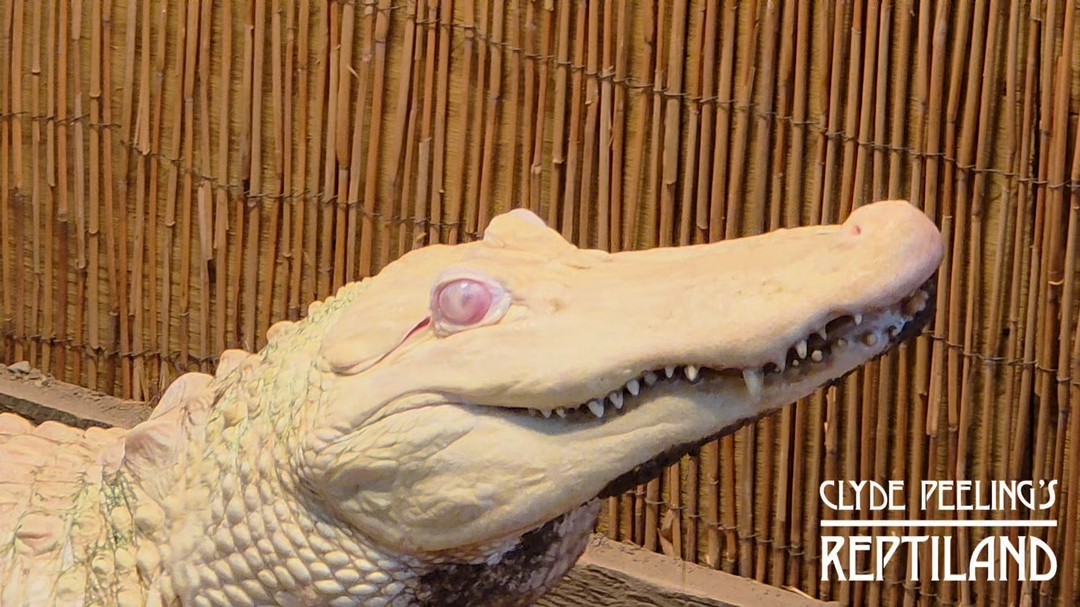
- The biological significance of albino American alligators, focusing on their genetics and adaptations.
- Sirphis’s role in raising awareness about wildlife conservation and education within the community.
- Approaches to effectively manage and maintain an alligator habitat in a zoo setting.
- The importance of public engagement in wildlife conservation efforts.
- The unique challenges and opportunities presented by caring for an albino alligator.
Albino American alligators, like our resident, Sirphis, serve as fascinating examples of unique genetic variations within a species. Albinism occurs due to a lack of melanin, which not only results in their striking white coloration but also leads to specific adaptations and challenges in their environment. These alligators have pink or red eyes, a marked difference from their more commonly pigmented counterparts. This genetic trait arises from mutations affecting the tyrosinase enzyme that is central to melanin production. Without sufficient melanin, these alligators have increased vulnerability to sun exposure and predation.
However, despite their challenges, albino alligators can showcase a rich life in controlled environments like zoos. Their striking appearance can attract visitors and spark interest in wildlife education. Over time, education efforts can leverage Sirphis’s uniqueness to instill an understanding of conservation issues, genetics, and adaptation in American alligators. Through hands-on experiences, educational programs centered on Sirphis can teach students and visitors about these remarkable reptiles and their roles within ecosystems.
In the context of zoo management, caring for alligators, specifically albino ones, demands specialized approaches. Creating optimal habitats is key for their health and well-being. Sirphis’s habitat must include temperature-regulated water features and shaded areas to mitigate the risks posed by her sensitivity to sunlight. Regular monitoring of water quality, temperature, and the availability of basking areas is crucial. These elements help replicate her natural habitat while providing a secure and comfortable environment.
Feeding routines also require careful consideration. Alligators are carnivores and thrive on diets high in protein. Sirphis’s diet includes fish, poultry, and beef, each serving to contribute to her energy needs. Nutrition must be balanced carefully to avoid obesity and related health issues. Maintaining a structured feeding schedule will support her growth and reinforce essential behaviors, direct interaction with handlers during feeding time enhances both her health and aids in training protocol.
Public engagement plays a vital role in wildlife conservation initiatives. Sirphis serves as an ambassador for the species, providing opportunities to educate the public on threats like habitat destruction and climate change which affect alligators. By participating in school programs, community events, and social media interactions, her presence can convey important messages about biodiversity and conservation efforts. Effective public engagement leads to behavioral changes that encourage local communities to support ecological initiatives.
Caring for an albino alligator like Sirphis brings a set of unique challenges and opportunities. One major challenge is ensuring her visibility remains a priority. Due to her coloration, high contrast with her environment can make her easily seen by predators, and this must be considered in both exhibition and habitat design. Low-light conditions and camouflage elements have to be factored into her habitat, balancing her need to be visible to the public with her natural instincts.
While the challenges are evident, the opportunities for education and outreach through Sirphis are abundant. Her distinct appearance invites curiosity, enabling educators to highlight issues such as genetic diversity. Public perceptions of alligators are often based on fear or misunderstanding, but Sirphis provides a platform for discussion. Conversations surrounding her species can transform fears into admiration and encourage wildlife stewardship.
The often-overlooked contributions of albino alligators to research and conservation can provide significant insight into their natural counterparts. The genetics of Sirphis can present avenues for study, helping scientists understand the implications of color variants. This information can impact conservation practices, including how rehabilitative efforts may need to adapt for different phenotypes.
In promoting conservation messages, it is essential that institutions like zoos do not merely showcase animals but also champion education and awareness. The presence of Sirphis not only serves to fascinate visitors but also turns them into informed advocates for wildlife. Effective educational programs that highlight the importance of species care and habitat preservation can empower individuals to take action in their own communities.
As a symbol of wildlife, Sirphis presents an opportunity for inter-community collaboration in conservation projects. Local organizations can partner with zoos to drive projects focusing on habitat preservation efforts or advocacy for legislation that supports environmental protection. Public participation in these initiatives helps build a culture of stewardship and responsibility towards wildlife.
Moreover, social media platforms are becoming effective tools for outreach. Sharing photos and videos featuring Sirphis can reach a wider audience and spark discussions about conservation. By creating content that is both informative and engaging, her story can transcend geographic boundaries, inspiring individuals across different areas to be conscious of their role in ecological sustainability.
The emphasis on engagement and distribution of information can promote real change within our communities. Moreover, with the potential for educational programming to foster a love for alligators and reptiles, the legacy of Sirphis can endure for generations. Clinics, conservation biology programs, and environmental outreach can benefit from her participation, enhancing the community’s understanding of wildlife.
In regards to welfare and health, the specialized care of albino American alligators like Sirphis promotes a narrative on the highest standard of animal husbandry practices. This dedication draws attention to the efforts zoos make to ensure animals thrive. Veterinary oversight, careful observation of behaviors, and regular dietary assessments are integral parts of Sirphis’s care plan. Implementing these systems creates stability in her life and sets precedents for care protocols for similar species.
The ongoing efforts to maintain an enriching environment for Sirphis and educate those in her vicinity underline the interconnectedness of conservation and education. Knowledge is a powerful tool that can catalyze change. By harnessing the allure of Sirphis, zoos and aquariums can cultivate a deeper appreciation for the environment among visitors, guiding them toward taking action in their own lives.
Understanding albino American alligators like Sirphis involves not just the biology of her genetic makeup but also a comprehensive approach to community engagement, habitat management, and conservation education. As an ambassador of her species, Sirphis leads the way in shaping perceptions of wildlife and underscores the importance of environmental stewardship. Each interaction with Sirphis opens avenues for change, advocating for both the preservation of her kind and the ecosystems they inhabit.
Promoting the presence of albino alligators in discussion allows for rich dialogues surrounding genetic diversity and conservation methods. Through education programs, community outreach, and research initiatives, Sirphis can articulate the need for action in protecting wildlife and their habitats, ensuring that messages of conservation resonate well beyond her habitat’s confines.
Sirphis represents more than just an animal living in captivity; she embodies the complexities of wildlife conservation efforts and the innovative methods required to engage communities. Her story is a testament to how engaging educational approaches can foster connectivity between animals and humans, inspiring enduring relationships dedicated to protecting our planet’s biodiversity.
*****
Source Description
Our albino American alligator, Sirphis, making sure her neighbors know she is there.
