
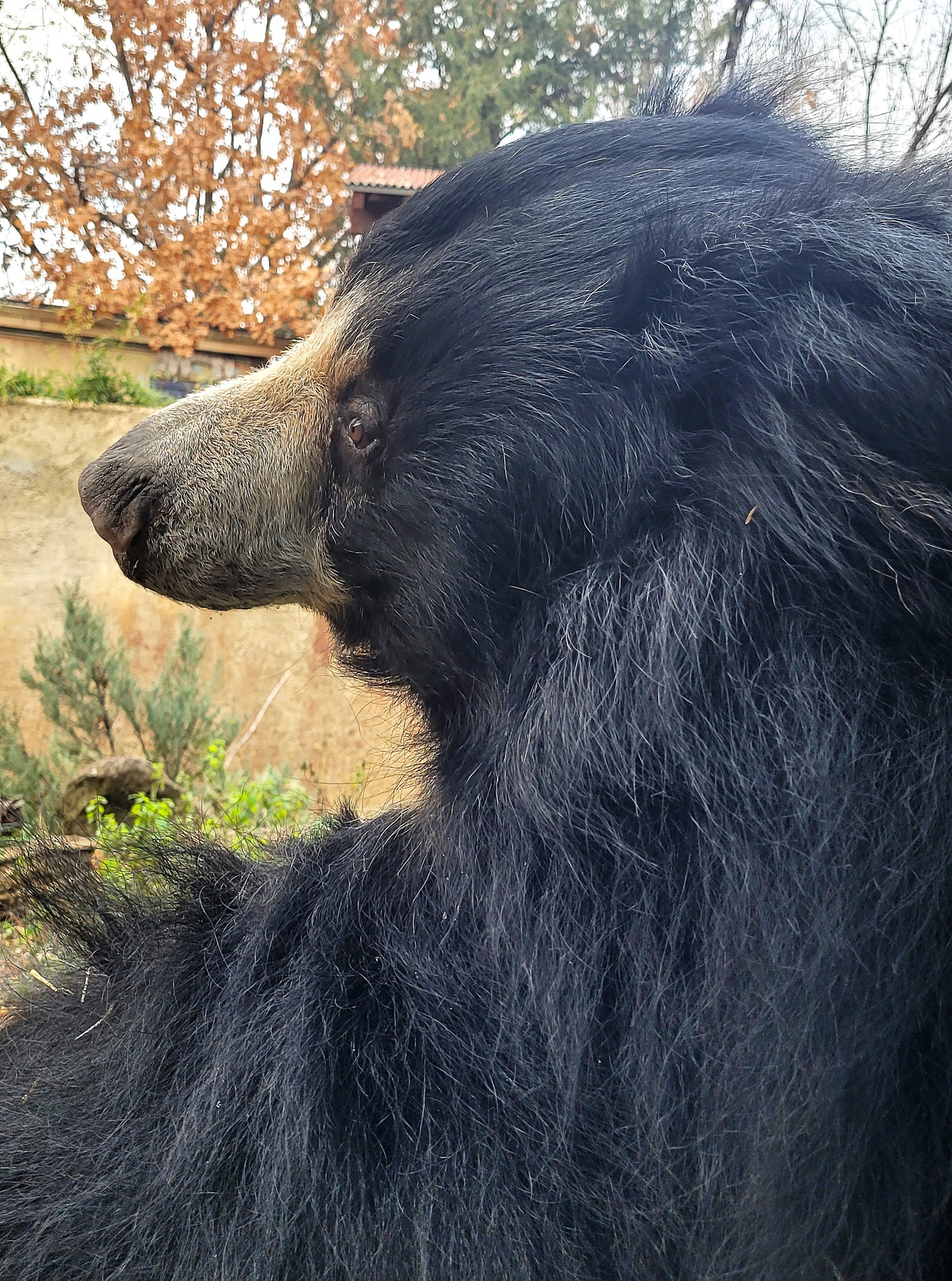
- Historical Misclassification: How the Sloth Bear Received Its Misleading Name
- Physical Characteristics and Behavior of Sloth Bears
- Reclassification to the Bear Family: Scientific Advancements
- Sloth Bear Conservation and Challenges
- Role of Zoos in Educating the Public about Sloth Bears
Historical Misclassification: How the Sloth Bear Received Its Misleading Name
The story of the sloth bear’s scientific classification is a fascinating chapter in zoological history. Originally, sloth bears were erroneously grouped with sloths, an arboreal mammals noted for their slow-moving behavior. This misclassification was primarily due to superficial similarities. Observers noted the sloth bear’s long, thick claws and ability to hang from tree branches, resembling the traits of true sloths. Additionally, the absence of front teeth, coupled with their shaggy fur, contributed to this confusion.
Early naturalists, without advanced tools and comprehensive studies, relied heavily on observable characteristics to categorize species. The lack of intricate genetic analysis and fossil evidence at that time limited their understanding. However, as zoological research advanced, scientists began to have a clearer picture of the sloth bear’s anatomy and genetics. This led to a groundbreaking reclassification, moving them from the Bradypodidae (sloth family) to the Ursidae (bear family), recognizing their true relations.
Physical Characteristics and Behavior of Sloth Bears
Sloth bears (Melursus ursinus) are unique within the bear family, exhibiting distinctive features that support their survival in the wild. These medium-sized bears have a long, shaggy black coat that sometimes makes them look larger than they are. Their elongated muzzle and blunt, flexible lips aid in their primary feeding habit – consuming insects, particularly termites and ants. The absence of upper incisors allows them to use a buzzing method to suck insects directly from nests.
Their powerful forelimbs, equipped with long claws, are essential for digging into termite mounds. Unlike other bear species, sloth bears have a unique locomotion; they can trot and gallop faster than one might expect, despite their somewhat ungainly appearance.
Socially, sloth bears are mostly solitary, with exceptions during mating or when mothers care for their cubs. Cubs are often seen riding on their mothers’ backs, a behavior not commonly observed among other bear species. This adaptation helps protect the young from predators and enables swift travel across the uneven terrain of their habitat.
Reclassification to the Bear Family: Scientific Advancements
The scientific journey to properly classify sloth bears was not without significant hurdles. As evolutionary biology advanced and genetic analysis became more sophisticated, scientists were able to analyze DNA and understand evolutionary relationships with greater precision. It became evident that sloth bears were more closely related to other bears than to sloths.
This reclassification had important implications for conservation, taxonomy, and understanding ecological roles. Linking the sloth bear to its correct family offered insights into its evolutionary path and adaptations. Researchers were able to reassess their behavioral traits, ecological needs, and threats they face, leading to more targeted conservation strategies.
Sloth Bear Conservation and Challenges
Conservation of sloth bears poses numerous challenges. They are native to the Indian subcontinent, where habitat destruction is one of the primary threats. Deforestation, agricultural expansion, and human encroachment have led to significant habitat loss and fragmentation. Additionally, human-bear conflicts often arise as bears venture into populated areas in search of food.
Poaching is another critical threat. Sloth bears, like several other wildlife species, are hunted for their body parts, despite legal protections. Some are captured illegally for entertainment, suffering deplorable conditions as they are forced into dancing acts.
To counter these threats, concerted efforts by conservation organizations and governments involve habitat preservation, anti-poaching laws, and community education programs. Creating wildlife corridors and protected areas can help maintain genetic diversity and allow for safe movement between habitats.
Role of Zoos in Educating the Public about Sloth Bears
Modern zoos play a pivotal role in the conservation and education of sloth bears. They act as sanctuaries for injured or displaced bears and serve as centers for research and public education. Well-maintained zoo environments can replicate natural habitats, providing enriching and stimulating conditions that cater to the natural behaviors of sloth bears.
Educational programs in zoos are vital for raising awareness about these animals. By engaging visitors with facts about their ecology, behavior, and the challenges they face in the wild, zoos can inspire conservation actions and support. Seeing sloth bears up close allows people to develop a connection and appreciation for these intriguing creatures.
Moreover, zookeepers and researchers conduct studies that can provide valuable data on sloth bear health, reproduction, and social behavior. This data can be invaluable for conservation efforts aimed at reintroduction and supporting wild populations.
As scientific knowledge continues to grow and conservation strategies evolve, understanding the unique history and biology of sloth bears remains crucial for ensuring their survival. By fostering an informed and engaged public, we can better protect these bears and the ecosystems they inhabit.
*****
Source Description
What’s in a [wrong] name: Sloth bears were originally placed in the sloth family due to their long thick claws, missing front teeth, and ability to hang in trees. But with more study, they were re-classified into the bear family.
📷: Paji by lead zookeeper Taylor S
