
- The significance of recording litter data in the Litter Journal
- Understanding the impact of litter on ecosystems and wildlife
- The role of community involvement in litter reduction efforts
- Advancements in technology for tracking litter
- Future initiatives to combat plastic pollution and improve environmental health
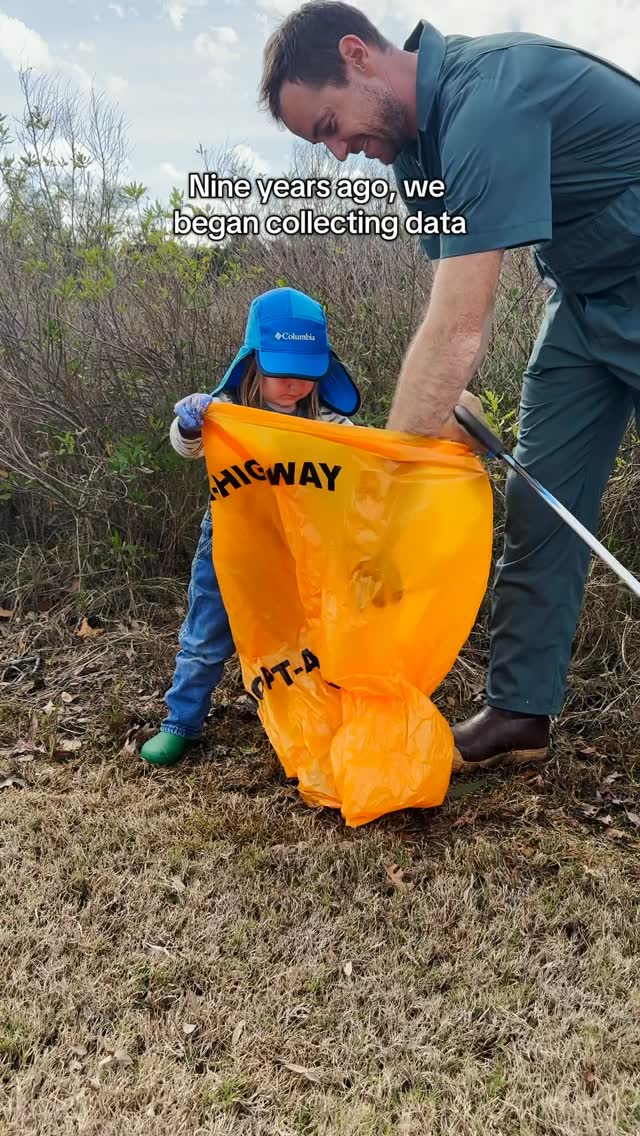
Recording litter data in the Litter Journal serves as a critical step in understanding and addressing the complexities of waste management. With an impressive milestone of 4 million pieces of litter now documented, this initiative reflects a significant commitment from community members and organizations. Every entry in the Litter Journal contributes valuable insights into the types of litter most commonly found, locations where they tend to accumulate, and the frequency of littering activities. These data can be used in local and statewide analyses to identify trends and develop effective strategies for mitigating plastic pollution.
Plastic pollution presents a formidable challenge to ecosystems worldwide. As scientists and conservationists are well aware, litter can adversely affect flora and fauna. Wildlife encounters litter in various forms, from plastic bags and bottles to microplastics that infiltrate food chains. Animals may ingest plastic materials or become entangled in them, leading to injury or death. Microplastics have been found in the tissues of marine life, revealing a concerning trend of bioaccumulation that can have far-reaching consequences for aquatic ecosystems. By documenting litter in the Litter Journal, stakeholders can develop targeted interventions aimed at reducing these harmful impacts.
Community engagement plays a vital role in successful litter reduction efforts. The act of participating in litter sweeps not only helps to remove waste but also cultivates a sense of communal responsibility. When people come together to clean up local parks, beaches, or neighborhoods, they build connections with each other and foster a collective commitment to environmental stewardship. Furthermore, these cleanup events serve as valuable educational opportunities, raising awareness about the consequences of littering and promoting sustainable behaviors. Resources like the Litter Journal become not just a tool for data collection, but also an instrument for community mobilization.
In an era marked by technological advancement, tracking litter has become more efficient and informative. Innovations such as mobile apps enable users to easily report litter sightings and record details directly in the Litter Journal. These technologies not only streamline data entry but can also provide real-time insights into littering patterns. Analyzing this data can reveal the effectiveness of previous cleanup efforts and inform future initiatives. For example, if a particular area shows high litter concentrations over time, local authorities might prioritize that location for more intensive clean-up campaigns or invest in educational programs for residents.
As we look to the future, it is essential to focus on initiatives designed to combat plastic pollution on a larger scale. Governments, organizations, and individuals must collaborate to implement comprehensive strategies. These may include reducing single-use plastics through regulations, promoting alternatives, and enhancing recycling programs. Raising public awareness about the importance of minimizing waste is crucial, as sustainable behaviors can greatly reduce plastic consumption. Moreover, restoring broken ecosystems is equally vital. This involves not just cleaning up existing litter but also enhancing habitats to promote resilience against future pollution.
Engagement with the Litter Journal is a call to action for everyone committed to protecting the environment. Achieving the next major milestone of 5 million recorded pieces of litter is a shared goal that necessitates collective efforts. Community involvement can amplify the impact of individual actions by transforming them into a movement promoting sustainable practices. Education remains a cornerstone; teaching communities about the importance of responsible waste disposal can inspire long-term change.
In summary, tracking litter through the Litter Journal empowers communities and strengthens efforts against plastic pollution. The collective responsibility manifested in this project demonstrates the significance of data collection in informing action. Tackling litter not only protects wildlife and ecosystems but also fosters healthier communities through improved environmental quality. The journey to 5 million recorded pieces of litter is not just about numbers; it’s about instilling values of environmental stewardship and inspiring others to participate in creating lasting change.
The journey toward cleaner, safer environments will undoubtedly continue, and all hands are needed on deck. Participating in local sweeps and staying informed about litter tracking initiatives can initiate change not only in the community but also across the nation. The environmental health of our ecosystems hangs in the balance. Through combined efforts, we can mitigate challenges posed by litter and shape a more sustainable future.
*****
Source Description
🎉 Thanks to all of YOU, we’ve recorded 4 million pieces of litter in the Litter Journal!
The data recorded in the Litter Journal is used in local and statewide analyses to find solutions in mitigating plastic pollution 📋 Join us as we charge ahead to the next major milestone — 5 million, here we come!
Join a litter sweep through the link in our bio!
.
.
.
