
- The significance of zoo nominations and their impact on public awareness and conservation efforts
- Features that contribute to classifying a zoo as one of the best
- Importance of zoo memberships and their benefits for conservation
- The role of zoos in wildlife conservation and education
- Community involvement and the ways the public can support zoos
Zoological parks are pivotal in educating the public about wildlife while playing a crucial role in conservation. Their ability to provide a rich experience is often recognized through awards nominations, such as the recent acknowledgment in USA Today’s 10 Best Readers’ Choice Awards. The honor of being nominated in two categories, Best Zoo and Best Zoo Membership, highlights the commitment to animal care, education, and conservation. Gaining the top position in these categories not only lifts the zoo’s profile but also enhances public awareness about the vital issues surrounding wildlife conservation.
Many factors contribute to distinguishing a zoo as one of the best. These attributes vary from the diversity of species and the quality of care provided to the animals, to the educational programs and conservation initiatives. A well-managed zoo integrates research with practical conservation efforts. The habitats designed for the animals should closely mimic their natural environments, offering adequate space and stimulation.
The animal care staff plays a crucial role in maintaining high standards in animal husbandry. They are trained in the latest veterinary protocols and behavioral enrichment techniques. This combination ensures the animals receive optimal care, which is a key aspect evaluated in award nominations. The educational programs available to visitors enhance their understanding of both wildlife and the pressing environmental challenges faced today. High-quality interpretive signs, keeper talks, and interactive exhibits further enrich the visitor experience.
Zoo memberships are significant in supporting conservation work. They provide essential funding that helps sustain animal care, education, and preservation initiatives. A robust membership program often includes various benefits, such as free entry, special events, and behind-the-scenes tours. These memberships also foster a sense of community and encourage repeat visits, thereby solidifying a supportive audience for the zoo’s mission.
The financial resources generated through memberships can be instrumental in funding specific projects, like breeding programs for endangered species and habitat restoration efforts. For example, a zoo may initiate a breeding program for the critically endangered California condor or partake in global efforts to protect the polar bear’s Arctic habitat. Members support these initiatives, directly contributing to wildlife preservation and ecological balance.
Moreover, zoos serve as vital entities in conservation through public education. They raise awareness regarding endangered species, their habitats, and the threats they face from human activities. A successful educational program inspires visitors, making them more inclined to participate in conservation efforts outside the zoo. Schools often partner with zoos for educational field trips, enabling students to learn about animals firsthand. Workshops, lectures, and volunteer opportunities further enhance this educational approach and help foster a conservation-minded community.
Community involvement is critical for the success of any zoo. By encouraging local residents to take part in programs, whether through volunteering or attending special events, zoos can deepen their connection with the public. Active involvement cultivates a sense of ownership and responsibility towards wildlife preservation. This partnership can manifest in various programs – local clean-up events, wildlife habitat restoration projects, or educational seminars hosted by scientists and conservationists.
Additionally, when a zoo is nominated for awards, it represents a collective achievement. The public’s vote is not merely about individual preference, but about rallying support for wildlife welfare. Encouraging individuals to vote for their local zoo increases awareness about its role in wildlife conservation, further fostering engagement with local ecosystems. The link provided in the nomination post serves not only as a pathway to vote but also facilitates access to information about ongoing conservation initiatives.
Zoos can offer insight into complex ecological issues. They bridge the gap between research and public understanding, making scientific information accessible. For example, visitors may learn about the effects of climate change on biodiversity, visualizing the implications of habitat destruction through firsthand experiences. Such educational initiatives encourage grassroots activism and inspire future generations to advocate for the planet.
In a time where wildlife faces unprecedented threats from climate change, habitat destruction, and poaching, the role of zoos is more important than ever. Their contribution towards maintaining biodiversity cannot be overstated. By investing in conservation through research and education, they address urgent ecological problems effectively.
International collaborations among zoos play a significant role in stimulating global actions toward conservation. Many zoos participate in Species Survival Plans, which aim to manage and conserve endangered species through exhibition and breeding initiatives. These collaborative endeavors often entail sharing knowledge and resources among institutions worldwide, ensuring a greater impact on wildlife survival.
In summary, being nominated for the Best Zoo and Best Zoo Membership categories in USA Today’s awards is not only an honor but also an opportunity to amplify important conservation messages. Winning these awards could significantly enhance public support for the zoo’s ongoing efforts. Public engagement can fuel community-centric initiatives that foster a deeper understanding of and commitment to wildlife preservation.
The active participation of the community can yield long-term benefits for both the zoo and the local environment. By making a conscious effort to vote and to support local zoos, members of the community can contribute to a larger narrative of conservation. Even those who may not visit zoos regularly can participate in outreach programs, volunteer for conservation projects, or support fundraising activities.
Ultimately, the nomination highlights that a zoo is more than just a place to see animals; it serves as a hub for education, conservation, and community involvement. Through dedicated efforts in these areas, zoos can elevate public understanding and commitment to wildlife conservation. Each nomination echoes the importance of these institutions in safeguarding the future of our planet’s biodiversity.
*****
Source Description
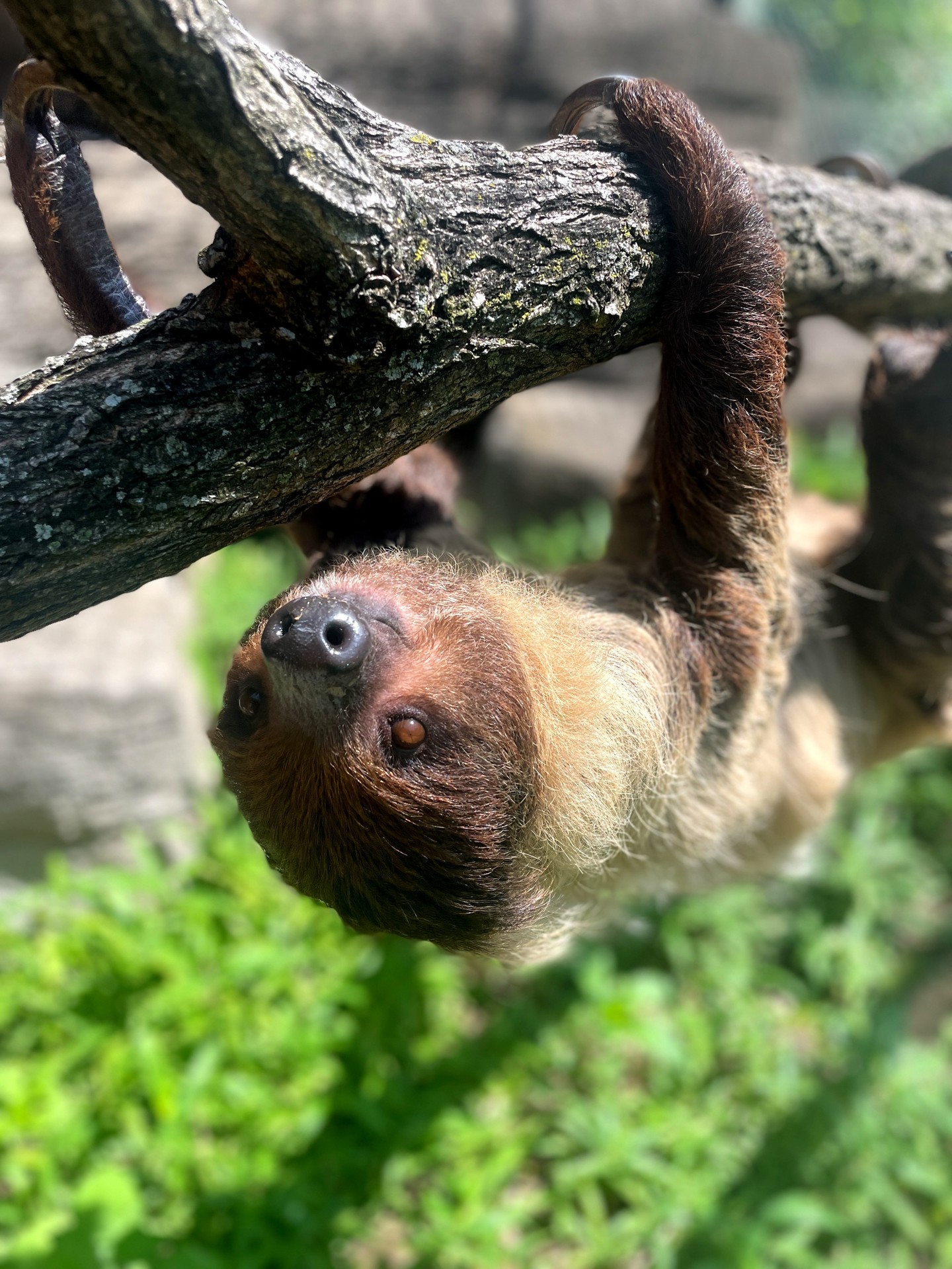
Even our sloths are picking up the pace for this one! ✨ We’re honored to be nominated in TWO categories for USA Today’s 10 Best Readers’ Choice Awards, and we need your help to make it to the top! Tap the link in bio, and help us win Best Zoo and Best Zoo Membership.
