
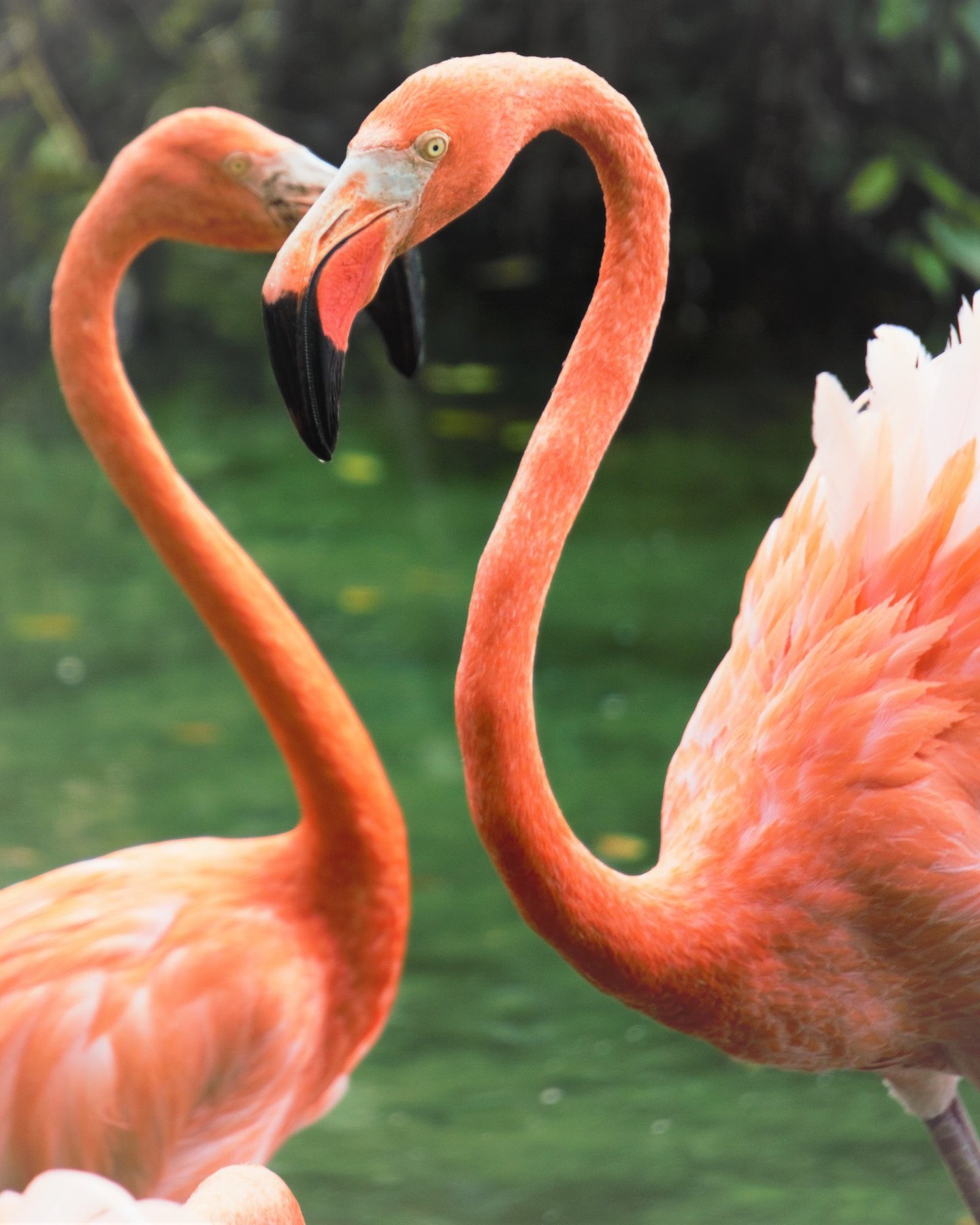
- The diverse manifestations of heart shapes in nature
- The biological significance of heart-shaped patterns
- The role of these shapes in animal behavior and ecology
- Conservation efforts related to species exhibiting heart patterns
- Personal reflections on favorite naturally occurring heart shapes
In many ecosystems, heart shapes appear in various forms, illustrating the intersection of art and nature. From the heart-shaped leaves of certain plants to the patterns on animal fur, these shapes resonate visually and biologically. The occurrence of hearts in nature is not limited to aesthetic enjoyment; it often has practical implications for survival and reproduction.
Heart shapes often emerge from the biological attributes of certain organisms. For example, the leaves of plants like the Philodendron or the Red Maple display heart-like shapes, evolving these structures for efficient photosynthesis and water retention. Similarly, animals exhibit heart patterns on their fur or scales. The striking coloration or design can play a pivotal role in camouflage or mating displays. These shapes, while visually appealing, are evolutionary adaptations that facilitate survival and reproduction in specific environments.
The biological significance of these heart-shaped patterns ranges from functional adaptations to behavioral cues. In some species, heart shapes can help signal distress or aggression. The brightly colored gills of certain amphibians, for instance, can take on a heart-like appearance when displayed, signaling readiness to mate or ward off predators. The shapes can trigger responses in other animals, which may interpret these signals as indications of health or fitness. Over time, such traits can influence mate selection, thereby shaping genetic diversity and evolution within populations.
In addition to their biological implications, heart shapes also play a role in ecological interactions. For example, pollination can often involve interactions that exhibit heart-like designs. Flowers with heart-shaped petals may attract specific pollinators, which can enhance their reproductive success. This attraction isn’t arbitrary; it evolves based on the preferences and foraging behavior of different animals. The structural nature of the flowers co-evolves with the traits of pollinators to create a mutually beneficial relationship.
Conservation efforts focus on the protection of species that display these heart shapes. Many of these organisms contribute to biodiversity and ecosystem stability. Habitat loss, climate change, and pollution pose significant threats to such species. For instance, the degradation of wetlands impacts numerous heart-shaped plants and the animal species that rely on these habitats. Conservationists work on multiple fronts, advocating for habitat restoration, legal protections, and public education to raise awareness of the ecological stakes involved.
Personal favorites among naturally occurring heart shapes vary widely, but one standout might be the heart-shaped markings on a certain type of butterfly wing, like the Eastern Tiger Swallowtail. The striking black and yellow contrast with blue spots resembles a heart and serves a dual purpose. Not only does this pattern attract mates, but it also distracts predators. This is a clear demonstration of how heart shapes serve as integral parts of survival strategies in nature.
Exploring the theme of hearts in the wild encourages a deeper appreciation of the connections between shape, function, and environment. The study of these forms offers insights into evolutionary biology, animal behavior, and conservation. Understanding the roles that heart shapes play can deepen our connection to wildlife and highlight the importance of preserving natural habitats. Such awareness is essential for fostering a more sustainable relationship with the world around us.
In summary, the occurrence of heart shapes in nature is a compelling intersection of beauty and biology. These forms not only enhance the aesthetic diversity of ecosystems but also serve critical functions that contribute to the survival and propagation of species. The ongoing conservation efforts dedicated to these organisms highlight the importance of safeguarding natural habitats and the intricate web of life they support. Engaging with the beauty of hearts in the wild can inspire a broader commitment to environmental stewardship and biodiversity conservation. Whether through the eyes of a photographer capturing these shapes or the researcher studying their significance, the hearts found in nature resonate with us in profound ways.
*****
Source Description
Hearts in the wild ♥️Can you spot all the naturally occurring hearts in these photos? Which one is your favorite?
