
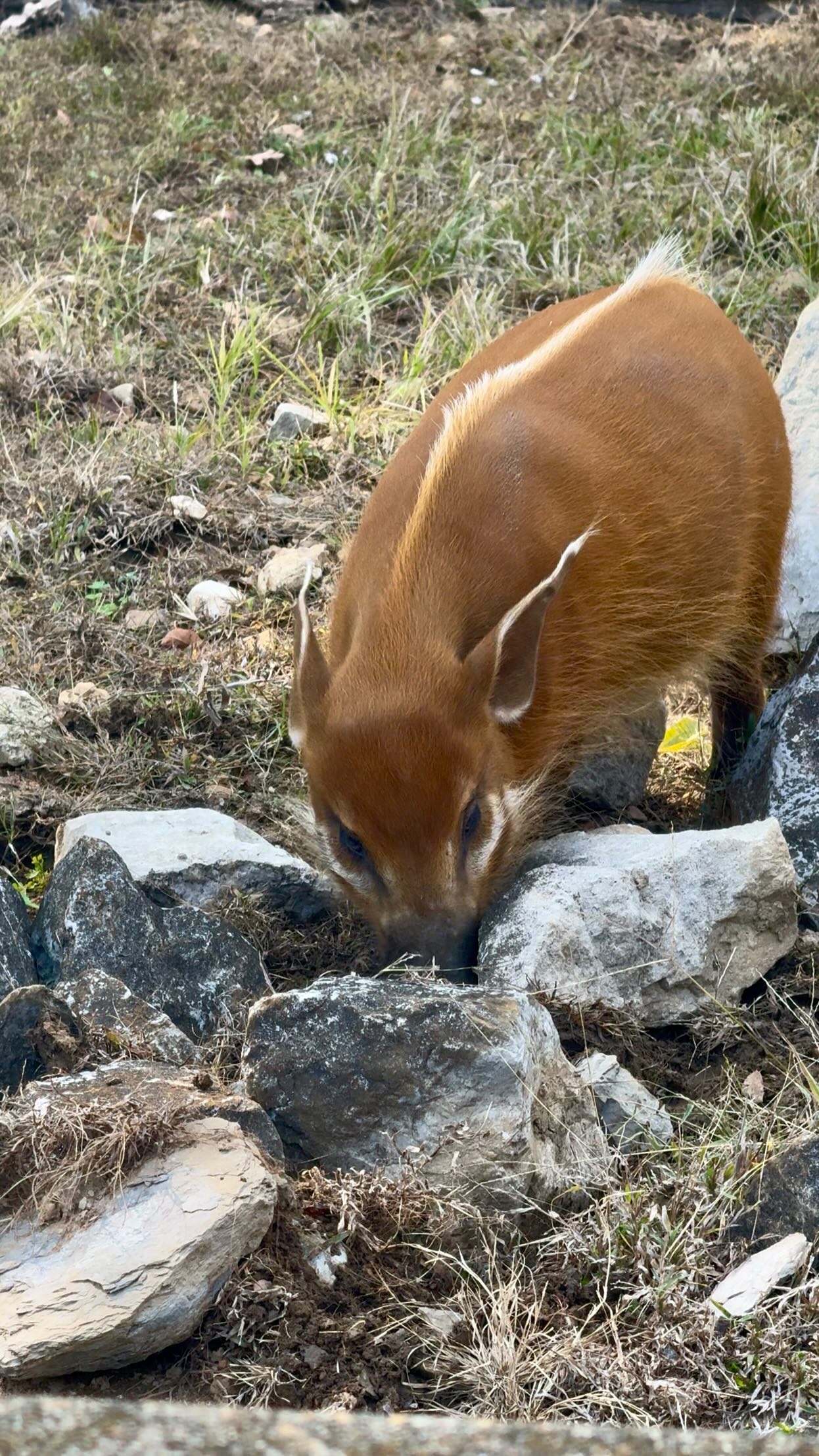
- The importance of the Sniff Test in animal husbandry.
- Scientific basis and methodology of the Sniff Test.
- How the Sniff Test relates to animal health and welfare.
- Real-world applications and observations in zoo environments.
- Ethical considerations and conservation implications of the Sniff Test.
The Sniff Test is a crucial tool in animal husbandry and wildlife management, especially in settings such as farms and zoos, where monitoring animal health is paramount. This method primarily relies on olfactory cues, utilizing the sense of smell to derive valuable insights about animal well-being. Both domesticated and wild animals exhibit a range of scents that change based on their health, diet, and environment. Understanding these smells is vital for caretakers who aim to provide optimal conditions for animal welfare.
The methodology of the Sniff Test is straightforward but requires an understanding of the animal’s normal scent baseline. The human nose, while not as sensitive as that of many animals, can still detect changes in scent that may indicate health issues. For instance, a pig’s smell can drastically alter if it is sick; this change can be detected by a trained caregiver. Proper training is essential since it involves distinguishing between normal and abnormal odors. Caregivers often spend time closely observing animals to develop an acute awareness of their scents.
Each species emits specific scents tied to their biology and health. For pigs, changes in odor can signal respiratory or digestive issues; these can lead to more pronounced smells, which serve as red flags for caretakers. Research has shown that certain diseases alter volatile organic compounds (VOCs) emanating from animals. By understanding these alterations, caregivers can address health problems early. For example, increased ammonia or sulfur compounds may indicate infections or poor welfare conditions. Hence, timely intervention based on the Sniff Test can reduce the need for more intensive medical interventions later.
The Sniff Test plays a vital role in animal health and welfare. Effective monitoring of this olfactory feedback allows caregivers to maintain high welfare standards. Welfare indicators can be gleaned from odor; for instance, a healthy animal generally has a neutral smell, while an animal suffering from stress or illness may produce off-putting scents. A snout-in-the-air approach not only helps in quickly identifying health issues but also minimizes stress on the animals since it leverages natural behaviors instead of invasive procedures.
In zoo environments, the Sniff Test is used to monitor animals that may not always show visible signs of illness. For example, animals that hide pain, such as certain big cats or even elephants, may not display obvious symptoms. However, shifts in their scent profile can provide advanced warnings. By frequently conducting these tests, zoological veterinarians can take preventive measures, ensuring that animal populations remain healthy and thriving. The more caregivers can understand and respond to these olfactory cues, the better their contributions to animal health and education within the public domain.
The Sniff Test possesses wider implications for ethical considerations and conservation efforts in wildlife management. With many species facing threats from habitat loss and climate change, careful observation is paramount in ensuring their survival. Utilizing such non-invasive methods complements ethical conservation practices. It emphasizes animal well-being while minimizing distress usually linked to handling or veterinary assessments.
From a conservation perspective, olfactory assessments can help in evaluating the health of endangered species or those in stressful environments. Observing and cataloging odors provides insights into environmental impacts on animal physiology. This information contributes to broader ecological studies and informs policies aimed at protecting endangered habitats. For example, zoos engaged in breeding programs can leverage the Sniff Test to select animals for mating based on health indicators gleaned from scent profiles.
Advancements in technology are also making it easier to enhance the effectiveness of the Sniff Test. Innovations like electronic noses have been developed to analyze scents scientifically and provide quantitative data. These devices can recognize patterns and identify specific health issues more precisely than human senses alone. Your local zoo may soon integrate such technology, further solidifying the relevance of the Sniff Test in contemporary animal management.
This blend of traditional knowledge with modern technology highlights how vital the Sniff Test is in ensuring healthy animal populations. The integration of olfactory assessments into standard monitoring practices reflects a growing understanding of animal welfare. It showcases an evolving attitude toward animal care that appreciates the intricate links between scent, behavior, and health.
Ultimately, the Sniff Test is integral to contemporary animal husbandry and conservation practices. It encourages a more profound awareness of animal health through the lens of olfactory cues. By incorporating scent analysis into routine care, caregivers can address health issues proactively. As we refine our methodologies and harness technological advancements, the Sniff Test will undoubtedly remain a cornerstone of effective wildlife management and conservation efforts.
Understanding the role of olfactory cues in animal care opens up new avenues for research and conservation strategies. The burgeoning interest in scent studies highlights a transitional moment in environmental stewardship, one that recognizes the importance of closely observing animal behaviors and physiological responses. The Sniff Test not only enhances animal welfare but also fosters a deeper connection between humans and wildlife, promoting a more compassionate approach to animal management and conservation.
*****
Source Description
Sniff test! 🐽 …mhm. Yep. Smells like you’re coming to see the piglets this weekend!
🎥 Keeper Emily
