
- Understanding the Fire Eel: Biology and Habitat
- The Role of Mr. Snoopity in River Scout’s Ecosystem
- Nutritional Needs and Feeding Habits of Eels
- The Importance of Captive Care and Conservation Efforts
- Educational Outreach and Visitor Engagement
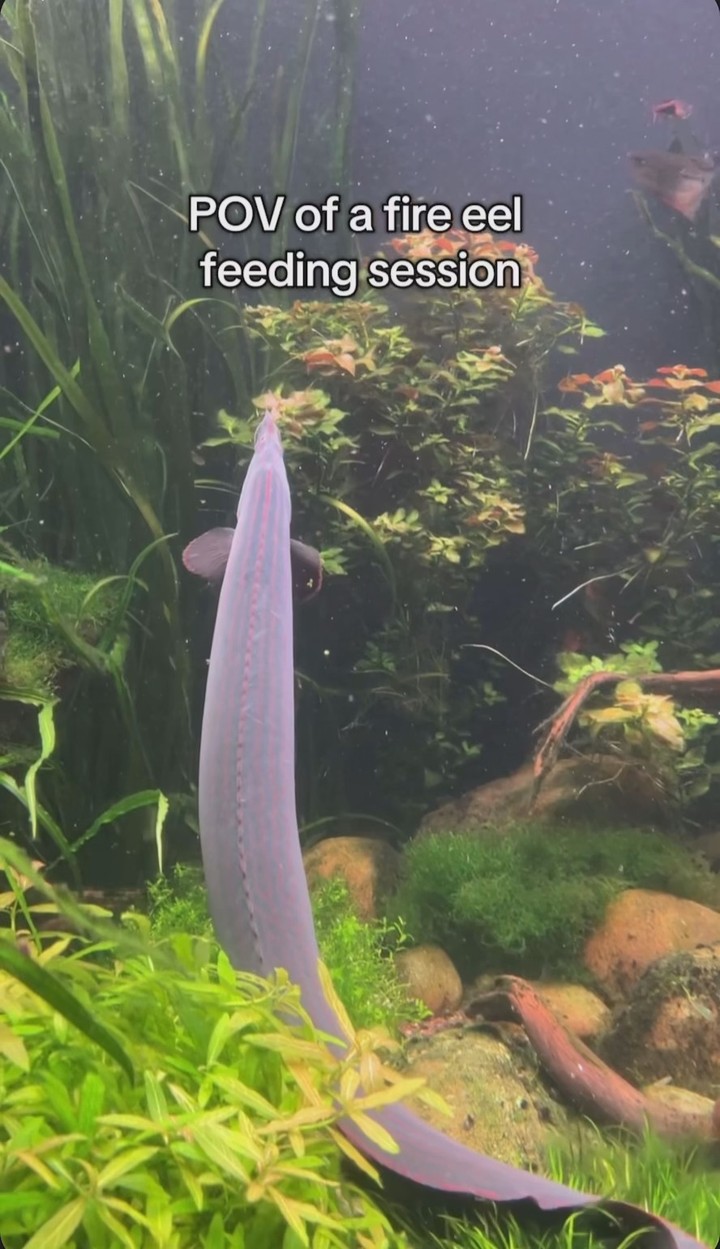
The fire eel, scientifically known as Mastacembelus erythticus, is a freshwater species native to the rivers and lakes of Southeast Asia, particularly in regions like Thailand and Cambodia. These fascinating creatures can grow to be quite large, often reaching up to 3 feet in length. Their elongated bodies and vibrant coloration make them a striking addition to any aquarium setting. The fire eel thrives in habitats characterized by slow-moving waters, dense vegetation, and a substrate rich in organic materials. It is important to note that their natural environments are increasingly threatened by habitat loss, pollution, and climate change, necessitating concerted conservation efforts.
Mr. Snoopity, the fire eel featured in River Scout, plays a crucial role in his local ecosystem. As a nocturnal predator, he helps regulate the populations of smaller fish and invertebrates, contributing to a balanced aquatic environment. Eels have a significant ecological function; they assist in maintaining healthy ecosystems by serving as both predator and prey. Their presence indicates a healthy aquatic habitat, and they often thrive in well-managed environments. By fostering a species such as Mr. Snoopity, River Scout aims to promote awareness of both freshwater ecosystems and the importance of biodiversity.
An essential aspect of keeping fire eels, including Mr. Snoopity, involves understanding their unique dietary needs. Fire eels are carnivorous and primarily feed on small fish, insects, and crustaceans in the wild. In captivity, it is vital to provide a varied diet to ensure all nutritional needs are met. High-quality pellets, frozen foods, and live prey such as bloodworms can mimic their natural feeding habits effectively. Feeding these eels requires a careful approach; overfeeding can lead to health issues, while underfeeding can deprive them of essential nutrients. Thus, maintaining the right balance in their diet is critical for their overall health and vitality.
The care of fire eels involves specific considerations to promote their health and well-being. Proper tank conditions are essential; they typically require a spacious aquarium with ample space to swim and hide. Providing structures such as caves and plants can help simulate their natural habitat, reducing stress and promoting natural behaviors. Additionally, water quality plays a significant role in their health. Regular monitoring of ammonia, nitrite, nitrate, and pH levels is necessary to ensure a stable environment. Adequate filtration and regular water changes can help maintain these parameters, creating an ideal habitat for Mr. Snoopity.
Conservation efforts focus not only on protecting natural habitats but also on educating the public about the challenges faced by aquatic species. Programs like River Scout provide a vital platform for raising awareness. Through interactive displays and educational outreach, visitors can learn about the ecological significance of species like fire eels and the importance of preserving freshwater habitats worldwide. Engaging activities can inspire conservation-minded attitudes in visitors of all ages, encouraging them to consider their own impact on the environment.
Mr. Snoopity’s presence is also critical for fostering connections between visitors and wildlife. By featuring an interactive experience such as a snack break with Mr. Snoopity, River Scout creates an engaging opportunity for learning. Visitors can observe feeding behaviors and ask questions about his care and habitat. This direct interaction fosters a deeper understanding of the species and highlights the role of zoos in conservation and education.
The conservation status of the fire eel, although not currently endangered, is complicated by habitat degradation and overfishing. Conservationists stress the importance of sustainable practices to protect these species in the wild. Aquariums like River Scout can support captive breeding programs, which play a significant role in maintaining genetic diversity. This helps to reduce pressure on wild populations and ensures that future generations have the chance to learn about and appreciate these aquatic creatures.
Understanding fire eels and their ecological roles enhances the visitor experience. Educational programs often include talks led by trained staff who can share insights about Mr. Snoopity’s biology and behavior. Such initiatives help visitors make connections between the species and larger environmental issues. This form of experiential learning is vital for encouraging thoughtful discussions about conservation.
Moreover, aquariums serve as critical research hubs. Studies conducted in these controlled environments provide invaluable information about the behavior and breeding of species like the fire eel. Such research contributes significantly to the existing body of knowledge in zoology and conservation biology. Findings from these studies can inform best practices for both captive care and wild conservation strategies.
To protect and support populations of fire eels, public awareness campaigns are essential. Informative signage and literature distributed at facilities give visitors the tools to understand the needs of aquatic species better. Social media campaigns can also amplify these messages, reaching a broader audience. Highlighting the plight of fire eels and their habitats encourages community involvement in conservation initiatives and responsible pet ownership.
Another important aspect of conservation programs focuses on habitat restoration. Engaging local communities in preservation efforts creates a sense of stewardship. By working together to restore waterways and surrounding ecosystems, individuals can play a direct role in conserving species like the fire eel. The involvement of local stakeholders is vital, ensuring that conservation strategies are culturally and ecologically appropriate.
Ultimately, the interactions that visitors have with exhibits like River Scout’s Mr. Snoopity build a sense of responsibility toward nature. Conversations sparked by the fire eel’s fascinating lifestyle can lead people to think critically about their choices, from how they interact with local waterways to consumption habits that may affect aquatic life. Every small action counts, and awareness can lead to significant positive changes in community attitudes toward sustainability.
Mr. Snoopity, as a representative of his species, embodies both the challenges and triumphs of conservation efforts. His story, told at River Scout, serves as a foundation for ongoing dialogue about biodiversity and sustainability. Every snack break with Mr. Snoopity not only highlights his unique dietary habits but also invites visitors to explore the broader themes of conservation and environmental responsibility.
By creating an environment where learning and engagement intersect, River Scout provides a compelling case for the importance of zoos and aquariums in education and conservation. As venues for both enjoyment and enlightenment, they offer an opportunity for visitors to learn about creatures like the fire eel while fostering a passion for protecting our planet’s incredible biodiversity. The future of species like Mr. Snoopity rests in our collective hands, emphasizing the responsibility we all share in conserving the ecosystems that sustain life on Earth.
*****
Source Description
Take a snack break with Mr. Snoopity – our fire eel in River Scout! ❤️
