
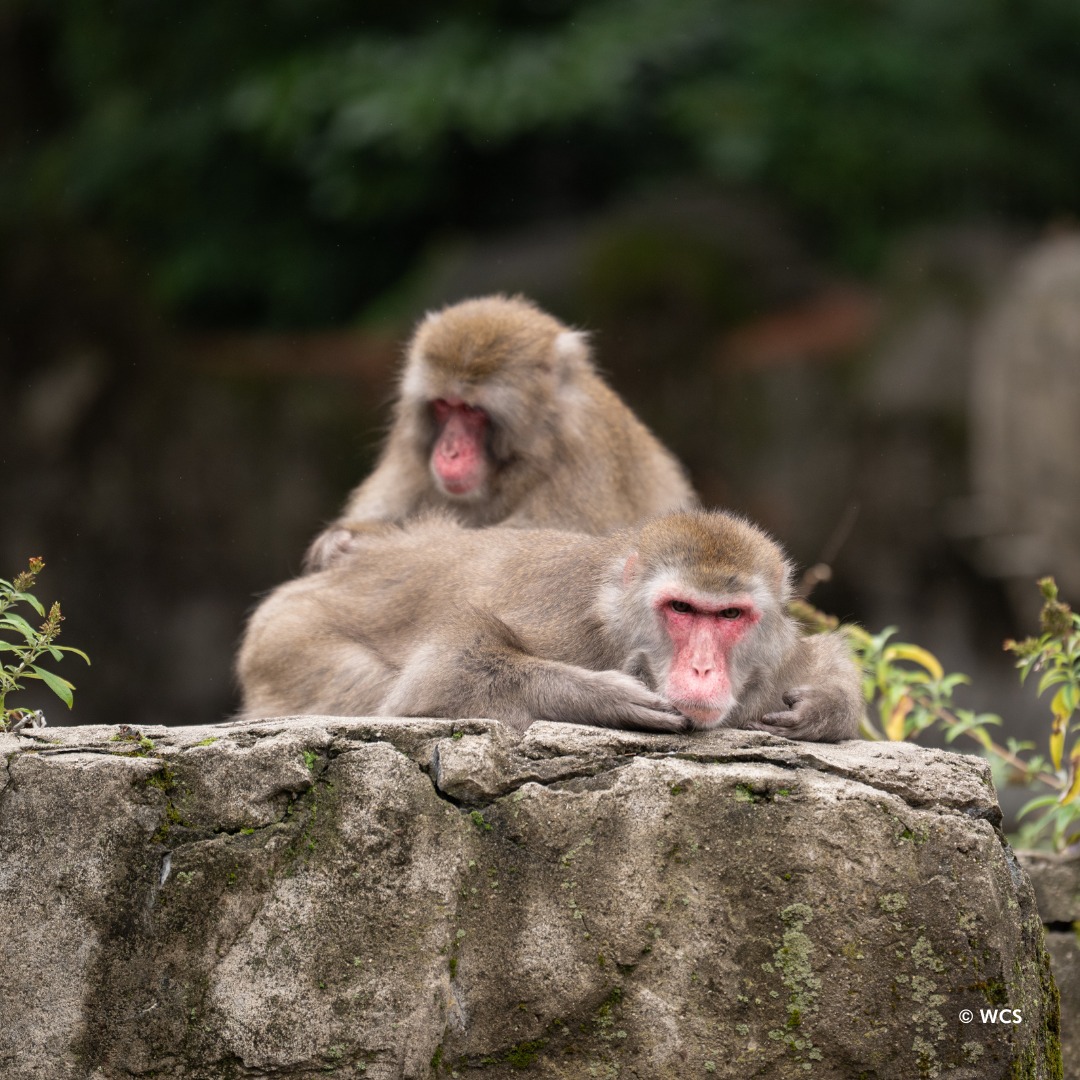
- Grooming among snow monkeys serves essential health benefits.
- The social significance of grooming rituals in troop dynamics.
- The role of grooming in building trust and alliances.
- The impact of grooming on reducing group tension.
- Conservation efforts and the role of zoos in educating about snow monkeys.
Grooming among snow monkeys plays a vital role in maintaining their health and well-being. It is a common sight at the zoo, where visitors can observe groups of these primates skillfully grooming one another. This behavior serves multiple purposes, with health benefits standing out as a primary advantage. The act of grooming allows snow monkeys to remove dirt, debris, and external parasites from their fur, which is crucial for preventing skin infections and promoting overall hygiene.
Snow monkeys, or Japanese macaques, inhabit environments ranging from snowy mountains to warmer thermal areas. Their thick fur provides insulation in cold temperatures, but this also means they are vulnerable to dirt and pests that can compromise their health. By engaging in grooming, they can maintain the quality of their fur and skin. Research shows that grooming can significantly lower stress hormones in the monkeys, promoting a healthier lifestyle. Regular grooming sessions contribute to a long-term strategy for reducing the likelihood of disease within the troop, underscoring the essential role these rituals play in their health.
Beyond the health benefits, grooming rituals have profound social implications among snow monkeys. Social structures in monkey troops are complex and dynamic, often dependent on strong interpersonal connections. Grooming serves as a tool for fostering social bonds. When one monkey grooms another, it communicates care and attention, reinforcing their relationship. This bond is crucial in an environment where cooperation and social interactions are key to survival.
The act of grooming not only enhances relationships among the monkeys but also establishes and reinforces alliances. In the social hierarchy of snow monkeys, grooming can signify loyalty and support, particularly among dominant and subordinate individuals. Through these grooming sessions, monkeys can negotiate social relationships, which can influence access to resources such as food and mates. This behavior forms social bonds that help stabilize group dynamics, thus aiding in the overall welfare of the troop.
Reducing tension within the group is another critical aspect of grooming. Snow monkeys are social animals, and conflict can arise within their ranks. Grooming offers a non-confrontational method for resolving disputes. By redirecting their focus to grooming, monkeys can defuse potential conflicts, lowering stress and aggression levels within the troop. Monitoring interactions and resolving disputes through grooming helps ensure a more harmonious environment. In this context, grooming becomes not just a ritualistic activity but a strategic measure for group cohesion.
The role of zoos in this equation is vital. Educating visitors about the behavior of snow monkeys and their grooming rituals helps foster appreciation and awareness of these primates. Zoos often provide valuable educational programs that highlight not only the health benefits of grooming but also its social importance. Understanding the mechanics of grooming can lead to greater empathy and support for conservation efforts aimed at protecting snow monkeys in their natural habitats.
Conservation programs focusing on snow monkeys also emphasize habitat protection and the reduction of human-induced threats. Natural habitats are becoming fragmented due to urbanization and agriculture, posing significant challenges to the survival of these animals. Effective conservation efforts require a commitment to habitat preservation, which is deeply aligned with educating the public on the importance of snow monkeys. As visitors learn about the challenges faced by snow monkeys, they become more likely to support initiatives aimed at conservation.
Animal care professionals in zoos are trained to observe the social dynamics and health of these monkeys. Observational studies can yield valuable insights into how grooming behaviors change in response to environmental stressors. This knowledge can inform best practices for both captive breeding programs and the management of wild populations. Understanding grooming behavior and its implications can enhance the quality of care provided to snow monkeys in zoos, contributing to their health and welfare.
Furthermore, as snow monkeys adapt to their surroundings, grooming behaviors can vary between populations. For example, those living in colder regions may exhibit different grooming habits compared to monkeys in milder climates. These variations provide opportunities for further research, opening new avenues for understanding how environmental factors influence behavior.
Fostering a culture of respect and understanding for snow monkeys can significantly impact their future. By educating future generations, we can encourage a sense of stewardship towards wildlife conservation. Zoos serve as critical platforms for raising awareness about snow monkeys, fostering a connection between visitors and these extraordinary animals. Programs that allow for interactive learning experiences can enhance visitors’ understanding of the specific needs and behaviors of snow monkeys, making the lessons learned more impactful.
The grooming behavior of snow monkeys is more than just a natural instinct; it encapsulates a range of health and social benefits that contribute to the stability of their troop. Observing these interactions provides valuable insights into primate behavior and reinforces the importance of conservation. Understanding the intricacies of these grooming rituals also highlights the interconnected nature of animal health and social structure, showcasing the need for ongoing research and education in zoology.
Institutions dedicated to wildlife conservation recognize the importance of delivering factual information that can inform and inspire action. In learning about snow monkeys and their grooming habits, visitors to the zoo can better appreciate the complexities of the animal kingdom and the shared responsibilities that come with conservation. Just as grooming enhances the lives of snow monkeys, education and awareness can foster a positive outlook on preserving wildlife for future generations.
Zoos face the challenge of balancing animal welfare with public engagement. By providing insights into the daily lives of snow monkeys and their grooming habits, zoos enable visitors to understand the intricacies of primate life. This appreciation is crucial for supporting broader conservation efforts that extend beyond the walls of the zoo. Establishing connections between animals and humans can galvanize public interest and action, affecting policies that protect natural habitats.
Research into the grooming rituals of snow monkeys has implications that extend into the realms of animal behavior, veterinary care, and conservation biology. Understanding these behaviors can lead to improved practices in care and management of not just snow monkeys but also a broader range of primate species. Such studies encourage a deeper understanding of animal welfare within captive environments, promoting ethical standards that prioritize the health and happiness of the animals.
In summary, the grooming behaviors of snow monkeys provide a fascinating and informative glimpse into their lives. Through engagement and education, the zoo community can cultivate a sense of respect and advocacy for these remarkable primates. Building a connection between snow monkeys and their human observers lays the groundwork for a future where conservation and ethical treatment of animals go hand in hand, ensuring that generations to come can enjoy the beauty and complexity of these animals in their natural habitats.
*****
Source Description
Here at the zoo, it is common to see our snow monkeys grooming one another. This behavior provides many important benefits for these primates. Grooming rituals not only keep monkeys healthy by removing dirt, debris, and external parasites, but also play a key role in strengthening their social bonds. Through grooming, they build trust, reinforce alliances, and reduce tension within the group. These interactions help maintain a stable social structure, which is essential for the well-being of the entire troop.
📸: WCS photographer, Terria Clay
