
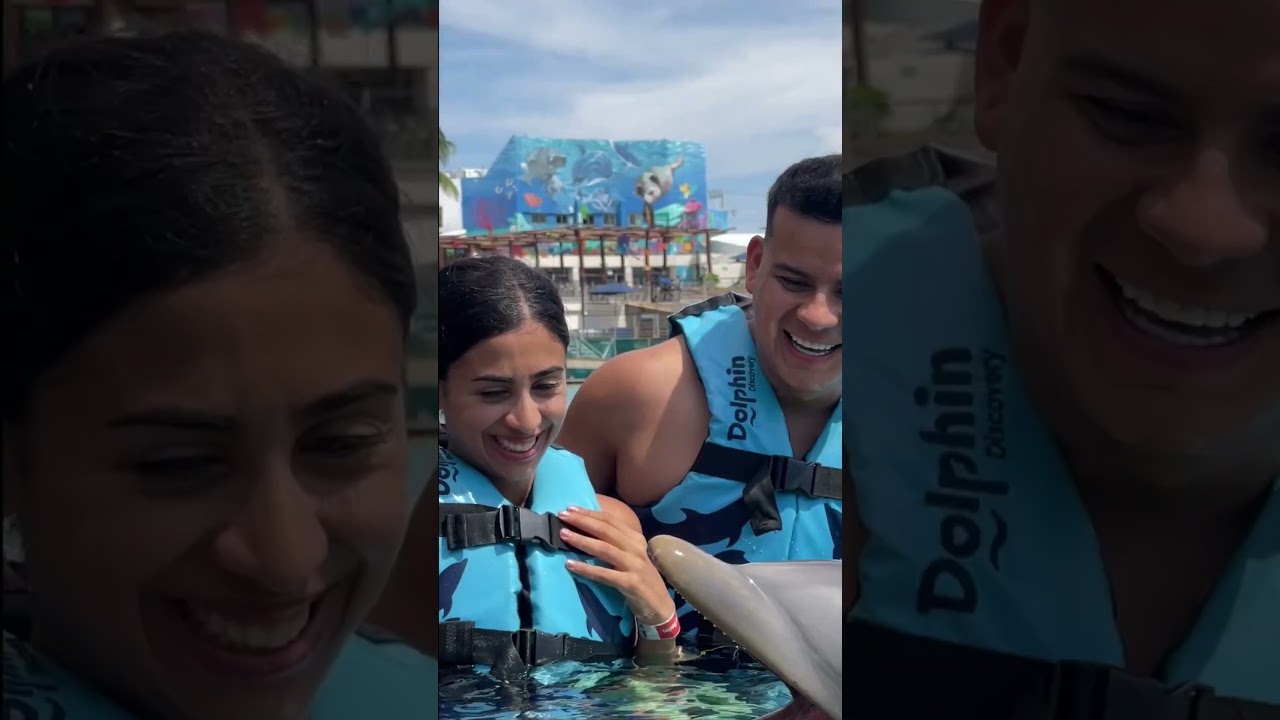
- Understanding the true essence of connecting with nature and wildlife.
- The significance of animal behavior studies in enhancing zoo management practices.
- The crucial role of wildlife conservation efforts in maintaining biodiversity.
- Insights into the challenges and responsibilities involved in zoo management.
- Practical ways to engage the public in wildlife conservation and education.
Connecting with nature and wildlife embodies more than a recreational activity; it is a profound communion that fosters empathy and responsibility for our environment. The phrase “Pronto entenderás lo que es conectar de verdad” emphasizes this authentic connection. Amidst growing ecological challenges, our grasp of these themes is vital for sustainable coexistence with our planet’s diverse species.
Understanding animal behavior is pivotal for effective zoo management. Observing and interpreting behaviors not only enhances animal welfare but also improves enrichment strategies. Enrichment mimics natural environments, stimulating physical and mental health. For instance, understanding a meerkat’s digging behavior informs zoo managers to provide substrates that satisfy this instinctive trait. Likewise, by studying the social structures of wolves, isolation-related stress can be minimized by ensuring proper pack dynamics.
Animal behavior studies also contribute significantly to breeding programs. Behavioral cues can denote optimal mating periods, thereby increasing breeding success rates. These insights help maintain genetic diversity within captive populations, which is crucial for species survival.
Wildlife conservation is an integral part of preserving biodiversity. Efforts include habitat restoration, anti-poaching initiatives, and fostering community-driven conservation programs. Protecting habitats ensures ecosystem stability, while anti-poaching laws directly combat the illegal wildlife trade. Education and involvement of local communities in conservation projects often result in long-lasting positive impacts, fostering a shared sense of responsibility.
Zoos play an influential role in conservation by acting as genetic reservoirs for endangered species. Programs like the Species Survival Plan (SSP) aim to develop stable populations through strategic breeding efforts and possible reintroduction into the wild. Zoos often collaborate with international organizations to strengthen these initiatives, amplifying their impact by sharing knowledge and resources.
Managing a zoo involves challenges that demand thoughtful solutions and dedication. One primary responsibility is maintaining the welfare of captive creatures, which extends beyond meeting basic needs. This includes creating an environment that mirrors their natural habitat as closely as possible, along with providing mental and physical stimulation.
Another hurdle lies in ethical considerations around captivity. Balancing conservation goals and animal rights requires transparent policies and practices guided by scientific understanding and public engagement. Zoos continually strive to be centers of conservation and education, rather than mere exhibits for entertainment.
Public engagement is fundamental to wildlife conservation. Educational programs that offer hands-on experiences form deep-rooted connections with nature. These initiatives not only increase awareness but also inspire action, turning observers into active participants. Innovative approaches, like using digital platforms or interactive displays, can enhance learning experiences and broaden outreach.
Bridging the gap between humans and the wild involves robust educational initiatives alongside conservation efforts. Collaborations with schools, providing workshops, and facilitating citizen science projects can empower individuals to contribute to conservation. Engaging storytelling, aligned with scientific facts, can transform perceptions and inspire a collective movement for environmental stewardship.
Utilizing technology, such as virtual reality simulations, invites the public into otherwise inaccessible environments. This makes conservation issues tangible, creating empathy and reinforcing the notion of “Pronto entenderás lo que es conectar de verdad.”
Ultimately, understanding and engaging with wildlife involves a complex interplay of scientific dedication, ethical considerations, and active public involvement. As we continually seek to connect genuinely with our environment, these practices and principles underpin a future that respects and protects the natural world.
*****
Source Description
Pronto entenderás lo que es conectar de verdad. 💙
Soon you’ll understand what it truly means to connect. 💙
#ConectarTransforma #ConnectToTransform #dolphindiscovery
