
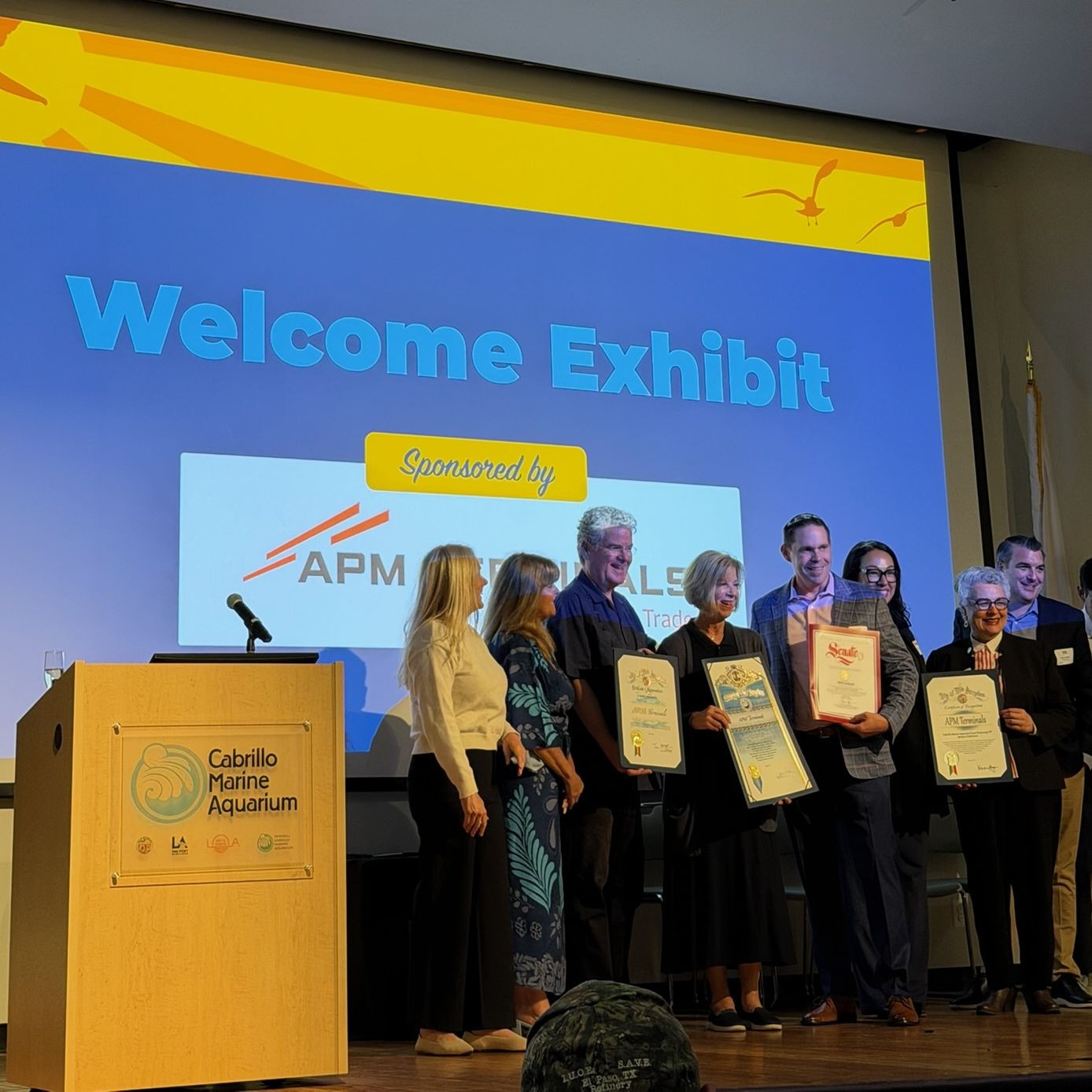
- The significance of the Cabrillo Marine Aquarium in the local community.
- The role of the welcome wall in fostering environmental awareness and education.
- The importance of supporting community organizations in environmental conservation efforts.
- Highlighting the commitment of Pier 400 to community engagement and philanthropy.
- Understanding the role of marine conservation in supporting biodiversity.
The Cabrillo Marine Aquarium (CMA) stands as a beacon of marine education and conservation, especially as it celebrated its 90th anniversary. Located in San Pedro, California, this establishment has played a crucial role in educating the public about marine ecosystems and the importance of environmental stewardship. The aquarium’s mission to instill a greater understanding of coastal and marine life aligns closely with the objectives of local organizations, including Pier 400. This collaboration not only strengthens cultural ties but also emphasizes the overlapping goals of community and environmental well-being.
The welcome wall, proudly sponsored by Pier 400, serves as more than just a decorative feature of the aquarium. It is a dynamic visual representation of the oceans and the marine life they host, complemented by educational messaging about conservation efforts. This wall engages visitors from all walks of life, inviting them to reflect on their connection to the marine environment. Through art and information, the welcome wall cultivates a sense of responsibility toward ocean preservation. Displaying various marine species and habitats, it helps in fostering environmental awareness that is vital for sustainability.
Supporting iconic community staples like the Cabrillo Marine Aquarium is critical for a healthy ecosystem. The aquarium fulfills numerous roles, from being an educational platform to fostering public engagement with marine biology. Educational programs offered at CMA delve into topics such as marine ecosystems, local biodiversity, and climate change impacts on the ocean. By increasing awareness of these subjects, CMA empowers community members to make informed decisions concerning environmental practices.
Pier 400’s sponsorship reflects its commitment to giving back to the community, underscoring the importance of collaboration between private organizations and public institutions. Through financial and logistical support for projects like the welcome wall, Pier 400 demonstrates its dedication to uplifting significant community organizations that actively contribute to the preservation of marine habitats. This partnership illustrates how community infrastructure and private business can work in concert to enhance local and environmental health.
The aquarium serves as an incubator for inspiration and learning. Its public programs cater to diverse audiences, including schools, families, and individuals interested in marine wildlife science. These initiatives spotlight the delicate balance of marine ecosystems, shedding light on various marine species, their behaviors, and the challenges faced in their natural habitats. The aquarium’s focus on hands-on experiences allows visitors to engage with marine life, promoting empathy and understanding behind conservation movements.
Supporting community organizations is essential for fostering a culture of environmental conservation. Local initiatives often rely on grants and sponsorships to operate effectively. By investing in these organizations, businesses not only enhance community welfare but also lay the foundation for sustainable practices. Initiatives like CMA embody the commitment to protecting marine environments through long-term education and outreach. Their role cannot be overstated in terms of affecting local conservation efforts and inspiring a generation of environmental stewards.
The connection between community engagement and marine conservation is significant. As communities rally around shared goals, they enhance collective action against environmental issues. The collaborative efforts between organizations like Pier 400 and CMA have far-reaching effects. For instance, public support for projects often leads to increased awareness and funding for marine preservation. These outcomes foster a culture where ecological conservation becomes a communal focus rather than an isolated endeavor.
Pier 400’s contribution also serves as a model for other organizations seeking to make an impact. Corporate social responsibility is at the forefront of modern businesses, and engaging in community-oriented projects stands out as a clear avenue for positive change. By sponsoring the welcome wall, Pier 400 sets an example for other corporations to consider how they might connect their business goals with meaningful community contributions.
Educating the community about marine biological diversity is essential for fostering a culture of conservation. Marine ecosystems are complex, teeming with life that contributes to overall ecological health. However, human activities such as overfishing, pollution, and climate change threaten these ecosystems. Education programs at CMA address these pressing issues, enabling community members to understand the urgency behind conservation efforts. Protecting marine biodiversity ensures that future generations inherit healthy ocean environments, which are crucial to maintaining the planet’s ecological balance.
Marine conservation actions must address not only the preservation of existing habitats but also the restoration of damaged ecosystems. Interventions, like habitat restoration projects for endangered coastal areas, have gained traction in community programs. These efforts often rely on volunteer participation and local advocacy, building bonds among residents, scientists, and conservationists. By actively participating in these initiatives, community members witness the positive effects of their involvement, which can reinforce their commitment to environmental stewardship.
In addition to direct conservation efforts, increased communication about marine issues plays a significant role in changing public perceptions. Clear and accessible information can empower citizens to contribute positively to their local environment. The welcome wall serves as a vital educational tool; it ignites curiosity about marine life and encourages individuals to engage in discussions about ocean health. This form of awareness can serve as a catalyst for more extensive participation in marine conservation efforts.
As communities work collaboratively to protect their natural resources, they simultaneously support economic development. By fostering tourism centered around marine education, organizations like CMA can attract visitors, which stimulates the local economy. Such sustainable practices advance the agenda of conservation while providing economic benefits. Corporate sponsorships serve as a financial backbone for these initiatives, reducing reliance on governmental support and allowing for greater innovation in conservation strategies.
Supporting community staples like the Cabrillo Marine Aquarium not only enhances local ecosystem health but also enriches the communal experience. It establishes a dialogue about the importance of the marine environment, driving home the necessity for collaborative efforts. Organizations, like Pier 400, that contribute to the sustainability of these institutions play a pivotal role in what future conservation efforts will look like.
Further, partnerships among businesses, educational institutions, and community organizations create platforms for shared knowledge and resources. Collaborations may lead to funding for advanced research or enhanced public programming. Initiatives can mobilize people around both marine biology and environmental protection topics, generating a ripple effect of awareness and community engagement.
The role of effective communication in promoting these initiatives cannot be neglected. Through events, workshops, and social media campaigns, organizations can spread knowledge, raise awareness, and encourage public participation in conservation efforts. This approach cultivates informed advocacy that can strongly influence policies related to marine environments.
Cabrillo Marine Aquarium continues to stand out as a critical community function. Its unique offerings provide not just a place of learning, but serve as a model of how institutions can mobilize around common goals. As visitors engage with diverse marine life, they become advocates for conservation both in their communities and beyond. Sponsorships, like that of Pier 400’s welcome wall, exemplify the positive impact of community investment.
The initiative taken by Pier 400 to sponsor the welcome wall at CMA resonates beyond aesthetics; it champions a message of sustainability and consciousness. Helping to connect individuals with their coastal environments cultivates a loyal community that values marine conservation. The long-term benefits can lead to proactive behaviors and advocacy that will serve the health of ocean ecosystems.
Such partnerships and educational initiatives illuminate the interconnectedness of community, economy, and environment, underscoring the essential nature of marine conservation. By prioritizing collaboration and community engagement, institutions can foster a culture of stewardship that extends past generations. Education and awareness, when combined with active participation, can lead to significant strides in the conservation of our natural resources.
*****
Source Description
🐠 Supporting iconic community staples: We were honored to sponsor the welcome wall at the newly renovated Cabrillo Marine Aquarium, which celebrated its 90th anniversary!
❤️ Giving back is at the heart of our Pier 400 team, and we are grateful to uplift organizations doing amazing work in the Harbor area.
