
- The Importance of Wildlife Conservation Education
- Roles and Responsibilities of Camp Counselors
- Engaging Activities That Foster Conservation Awareness
- The Endangered Wolf Center’s Mission and Programs
- How to Apply and Join the Camp Counselor Team
The Importance of Wildlife Conservation Education
Educating young people about wildlife conservation is critical for the future of our planet. Children who engage with nature are more likely to develop a sense of responsibility toward the environment and its inhabitants. This education fosters empathy and understanding, encouraging children to see themselves as stewards of the Earth. As they learn about ecosystems, habitats, and the challenges facing various species, they gain the knowledge needed to advocate for change. Programs that focus on conservation instill a profound respect for wildlife and the complexities of natural ecosystems.
For instance, statistics show that exposure to nature can improve children’s cognitive development and social skills. Camps centered on wildlife conservation play an essential role in cultivating this relationship with nature. By allowing kids to interact with wildlife, even in a controlled environment, they cultivate a long-lasting appreciation for these creatures. This kind of education is not just an option; it is essential for fostering future generations who are informed and motivated to protect our natural resources.
Roles and Responsibilities of Camp Counselors
Camp counselors at the Endangered Wolf Center will play an instrumental role in shaping the future of wildlife conservation. These individuals must be energetic and enthusiastic about teaching young campers. Each counselor will supervise groups of kids aged 7 to 14, ensuring their safety while engaging them in meaningful educational activities. This position requires not just a passion for animals, but also the ability to communicate effectively with children.
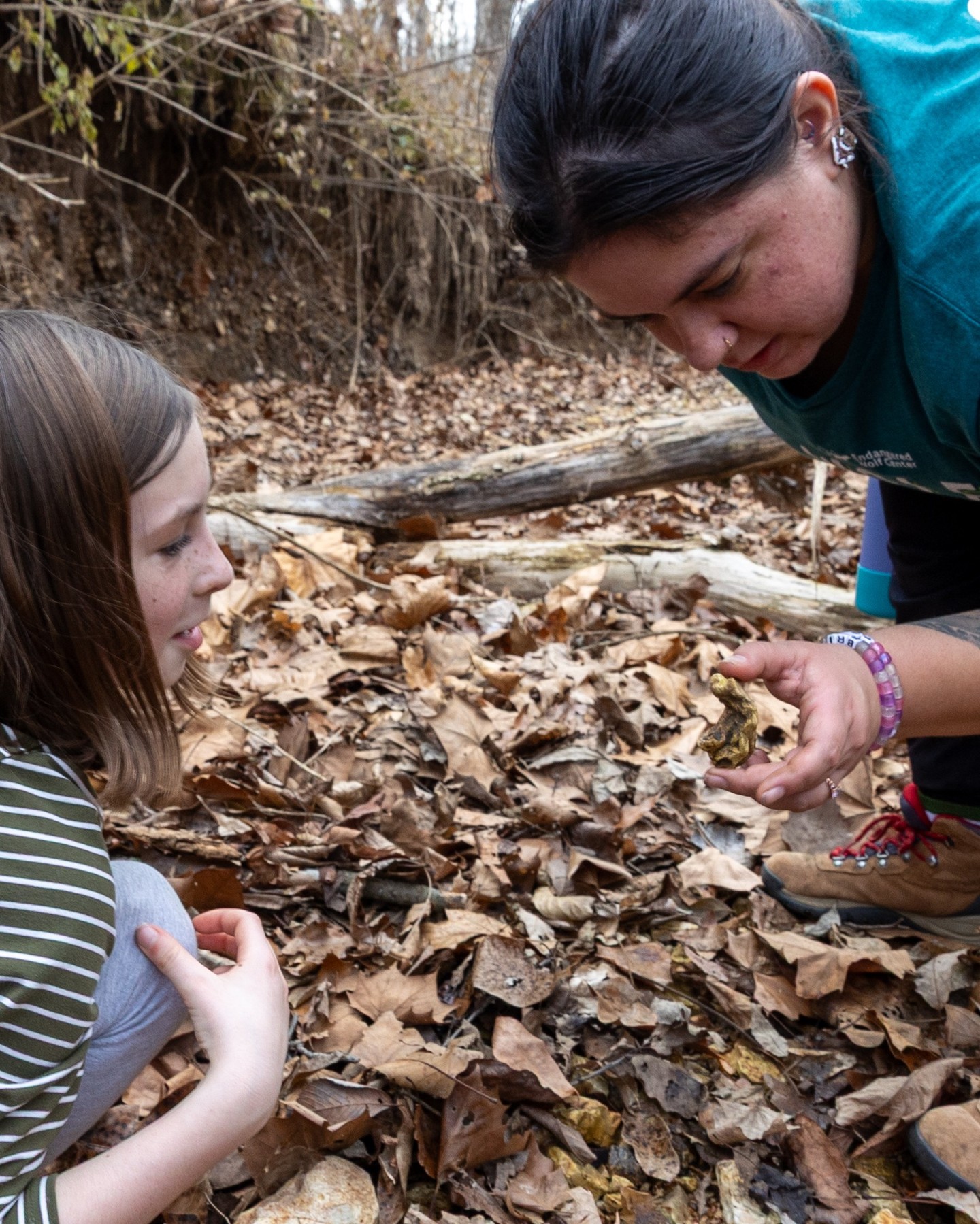
Counselors will lead activities that may include hikes, nature crafts, educational games, and interactive presentations. They are responsible for making complex scientific ideas accessible and fun for children. This includes explaining important concepts such as food chains, ecosystems, and the importance of biodiversity in language that children can grasp. In doing so, counselors bridge the gap between academic knowledge and real-world application. They serve as role models, instilling values and a sense of responsibility toward conservation efforts.
Engaging Activities That Foster Conservation Awareness
The activities designed for campers at the Endangered Wolf Center are both educational and enjoyable. One popular activity is the “Wildlife Detective” challenge, where campers embark on a scavenger hunt to find various species tracks, scat, or feathers. This hands-on exploration allows them to connect with wildlife in an engaging way. It teaches them observation skills while also educating them on local species and their behaviors.
Another exciting component is storytelling sessions using puppetry or age-appropriate multimedia. These narratives often focus on the journeys of endangered species, highlighting the struggles they face and what individuals can do to help. Such storytelling fosters emotional connections to wildlife, making the conservation message more impactful. Other activities include building mini habitats with natural materials, allowing kids to visualize how ecosystems function.
These engaging experiences not only cultivate a love for nature; they empower children by demonstrating that their actions can make a difference. Learning about conservation through real-life applications creates a strong foundation for lifelong environmental stewardship.
The Endangered Wolf Center’s Mission and Programs
The Endangered Wolf Center is dedicated to the conservation of endangered species, particularly wolves. The Center focuses on education, research, and habitat preservation. Their mission highlights the interconnectedness of wildlife and the ecosystems they inhabit. Wolves play a vital role in balancing those ecosystems, and their messaging emphasizes the importance of preserving these apex predators.
The Center runs various programs aimed at different age groups, making it a versatile place for education and engagement. Beyond summer camps, they offer school programs, family workshops, and community outreach. Each initiative is designed to inspire and inform participants about the role of wolves and other wildlife in maintaining ecological balance.
The latest research and success stories from conservation efforts are shared with campers and visitors, emphasizing the tangible benefits of these initiatives. For example, a successful reintroduction program can bolster a local population of wolves and improve ecosystem health. Awareness of such successes can motivate community involvement and advocacy.
How to Apply and Join the Camp Counselor Team
Aspiring camp counselors should think about what skills and passions they bring to the table. A strong background in education, environmental science, or related fields is helpful but not mandatory. Most importantly, candidates should be comfortable working with children and possess a genuine love for nature. Excellent communication and leadership skills are crucial for effectively engaging campers.
Those interested in applying can find application instructions through the provided link in the bio. The selection process includes interviews and may involve practical evaluations to assess teaching abilities and enthusiasm. Candidates may be asked to demonstrate how they would lead a specific activity or explain a conservation concept to children.
Training for selected counselors often includes education on local ecosystems, wildlife behavior, and emergency procedures. This training equips counselors with the knowledge necessary to ensure a safe, educational, and enjoyable experience for campers.
Being a camp counselor at the Endangered Wolf Center is more than just a summer job; it is an opportunity to make a lasting impact on the next generation of conservationists. Counselors will leave a legacy of awareness and responsibility that could influence children long after their camp experience ends. The role of a counselor is vital, not just for individual campers but for broader conservation efforts.
Joining this community of passionate individuals devoted to conservation can be a rewarding experience. If you are energetic, responsible, and eager to teach kids about nature, consider applying today. Through their actions, counselors help ignite a passion for wildlife that lasts a lifetime, effectively calling forth future camp legends dedicated to the protection of nature and all its inhabitants.
*****
Source Description
Calling all future camp legends. ☀️
We’re looking for camp counselors to lead our summer camps at the Endangered Wolf Center.
You’ll supervise campers, lead engaging activities, and help deliver conservation-focused camp curriculum that gets kids excited about protecting wildlife.
Bring your enthusiasm, your love of kids and animals, and your best camp counselor energy.
If you’re energetic, responsible, and love teaching kids about nature, join our pack this summer.
Apply now through the link in our bio!
