
- National Zookeeper Week celebration highlights dedicated staff.
- Becca’s journey from education to animal care provides insights into wildlife connections.
- The role of personal bonds in wildlife conservation and education is essential.
- Influences of zookeeping on guest experience and wildlife protection.
- The importance of recognizing animal care professionals throughout the industry.
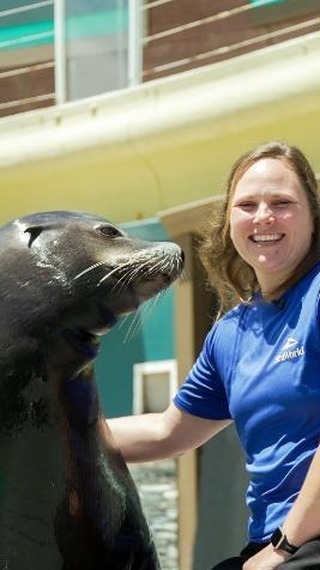
National Zookeeper Week is more than just a time for celebration; it’s an opportunity to shine a light on the exceptional professionals who dedicate their lives to animal care. Throughout this special week, we are featuring honorees from different animal departments. Each honoree has been nominated by their peers to share their unique experiences. Notably, one of our featured professionals, Becca, has taken her journey from education to becoming an integral part of the Sea Lion & Otter team. Her commitment to the animals she cares for is inspiring, and her work exemplifies how personal connections between caregivers and animals foster greater understanding of wildlife.
Becca’s story is one of passion and purpose. Originally rooted in education, she transitioned into zookeeping with a vision to inspire care through connection. Education is critical in promoting awareness about wildlife conservation. Becca’s time as a teacher enabled her to cultivate skills in communicating complex concepts in ways that are accessible and engaging. This foundational experience serves her well in her role today. Helping guests comprehend the importance of protecting wildlife is an everyday effort that influences both the animals she cares for and the people who visit them.
Through her dedication, Becca emphasizes that personal interactions with animals can change perspectives. At the zoo, each animal has a personality, behaviors, and stories that can resonate with guests. By forging bonds with the sea lions and otters, she illustrates the significance of individual animal narratives, making the experiences more relatable for visitors. Understanding the emotional and social lives of these species can enhance appreciation for their conservation needs.
Articulating these narratives is vital. Through her dedication, Becca helps visitors realize that the sea lions and otters are not just spectacles to observe but vital parts of a larger ecosystem. By establishing connections, she fosters an atmosphere where empathy towards wildlife flourishes. During educational presentations, Becca shares captivating anecdotes and facts to enlighten the audience. For example, sea lions communicate through a variety of vocalizations, which play an integral part in their social behaviors. This type of information draws guests in, creating a sense of wonder and respect for the species.
Moving beyond education, Becca’s role touches on the greater picture of wildlife conservation. Conservation is not just about protecting endangered species but about safeguarding entire ecosystems. When visitors learn about the habitats and challenges these animals face, they gain a more profound understanding of their roles in the natural environment. For example, sea lions are often indicators of ocean health. Monitoring their populations can provide significant insights into marine ecosystems. When Becca illustrates this connection, it empowers guests to take action in their lives that may benefit wildlife, creating a ripple effect of conservation efforts in their communities.
Also noteworthy is the role of the zookeeping profession itself. Zookeepers like Becca are on the front lines of animal care, responsible for feeding, health care, and proper habitats. This job involves extensive training in animal behavior, dietary needs, and biology. Understanding these aspects is crucial, as it ensures the well-being of the species under their care. For instance, be it through the meticulous balance of the sea lion’s diet or understanding the behavioral enrichment that otters require, Becca’s knowledge enables effective care that supports both animal health and guest education.
Recognition of individuals within this profession matters equally. By acknowledging the contributions of zookeepers during National Zookeeper Week, the wider community can appreciate the dedication and expertise that goes into animal care. Each honoree showcases the diverse skills zookeepers bring to their work. It highlights how their roles extend far beyond routine tasks. They are educators, conservationists, and advocates for both the animals and the ecosystems they represent.
In addition to Becca’s insights, other animal care team honorees also reflect their paths within the industry. Each story emphasizes the combination of personal commitment and professional expertise required to excel in zookeeping. So, as we spotlight various team members throughout National Zookeeper Week, we further acknowledge the invaluable contributions of animal care professionals. Their perspectives reinforce the collective goal of wildlife conservation, representing a united front in this crucial undertaking.
As guests engage with zoos, they gain more than visual experiences; they receive educational content that can influence their attitudes and actions toward wildlife conservation. Each encounter with the animals, alongside the nurturing guidance of the zookeepers, builds an appreciation that extends beyond fences and barriers. Understanding the role zookeepers play can lead guests to feel empowered, encouraging them to become stewards of the environment.
Expanding on the stories shared by zookeepers provides a fuller understanding of wildlife challenges and successes. Zoos often partake in breeding programs that aim to boost low populations of endangered species, thereby promoting genetic diversity. By sharing such information, Becca helps guests grasp the broader efforts employed by zoos and conservation organizations. Zookeepers are not simply caretakers; they are integral parts of global conservation initiatives that make a tangible impact on wildlife preservation.
Moreover, the communication of knowledge extends to the necessity of collaboration within the field. Zookeepers often work alongside veterinarians, biologists, and conservation scientists. This multidisciplinary approach is essential to ensure the highest standards of animal welfare and habitat management. In Becca’s role, she collaborates with various professionals to assess the needs of the sea lions and otters and to develop comprehensive care plans.
In essence, the work done by zookeepers has far-reaching implications. It provides tangible benefits not only to the animals but also to the ecosystems they inhabit. Furthermore, initiatives that encourage community involvement in conservation efforts—such as local clean-up days or wildlife protection workshops—help bridge the gap between animal care facilities and the public. Becca emphasizes that engaging the community is pivotal to fostering a culture of conservation.
Celebrating National Zookeeper Week can thus serve as an impetus for greater public interest and involvement in wildlife protection. As guests learn more about the dedicated professionals who care for these animals, they are more likely to contribute positively to conservation efforts. Emotional connections to animals can translate into advocacy. When individuals feel a kinship with wildlife, they often seek to protect it.
In addition, recognizing zookeepers raises awareness about the pressing issues that threaten wildlife globally. Habitat destruction, climate change, and poaching present ongoing challenges that necessitate a unified response from the community. When guests leave the zoo inspired and educated, they carry that knowledge back into their daily lives, promoting a culture of environmental responsibility.
In the spirit of National Zookeeper Week, it is essential to acknowledge not only the staff like Becca who contribute to animal care but also the impact of the relationships built between them and the visitors. Every interaction they facilitate creates waves of understanding that can enhance wildlife conservation. By spotlighting these dedicated professionals, we celebrate the art and science behind zookeeping, engage communities, and galvanize efforts to protect the planet’s diverse ecosystems.
The importance of this recognition extends beyond mere appreciation. It fosters a culture where animal care, education, and conservation work hand in hand. As we explore the experiences of zookeepers throughout the week, we reaffirm our commitment to wildlife protection and advocate for a future where human and animal interactions cultivate mutual respect and stewardship of the earth.
*****
Source Description
For National Zookeeper Week we’re celebrating with a week-long series spotlighting an honoree from each animal department nominated by their peers to share their experience.
With a journey that began in education and led her to the Sea Lion & Otter team, Becca has dedicated her career to inspiring care through connection. She’s a passionate advocate for the animals she works with and those personal bonds help guests better understand and protect wildlife.
Be sure to follow along to meet more of our animal care team honorees as we celebrate
