
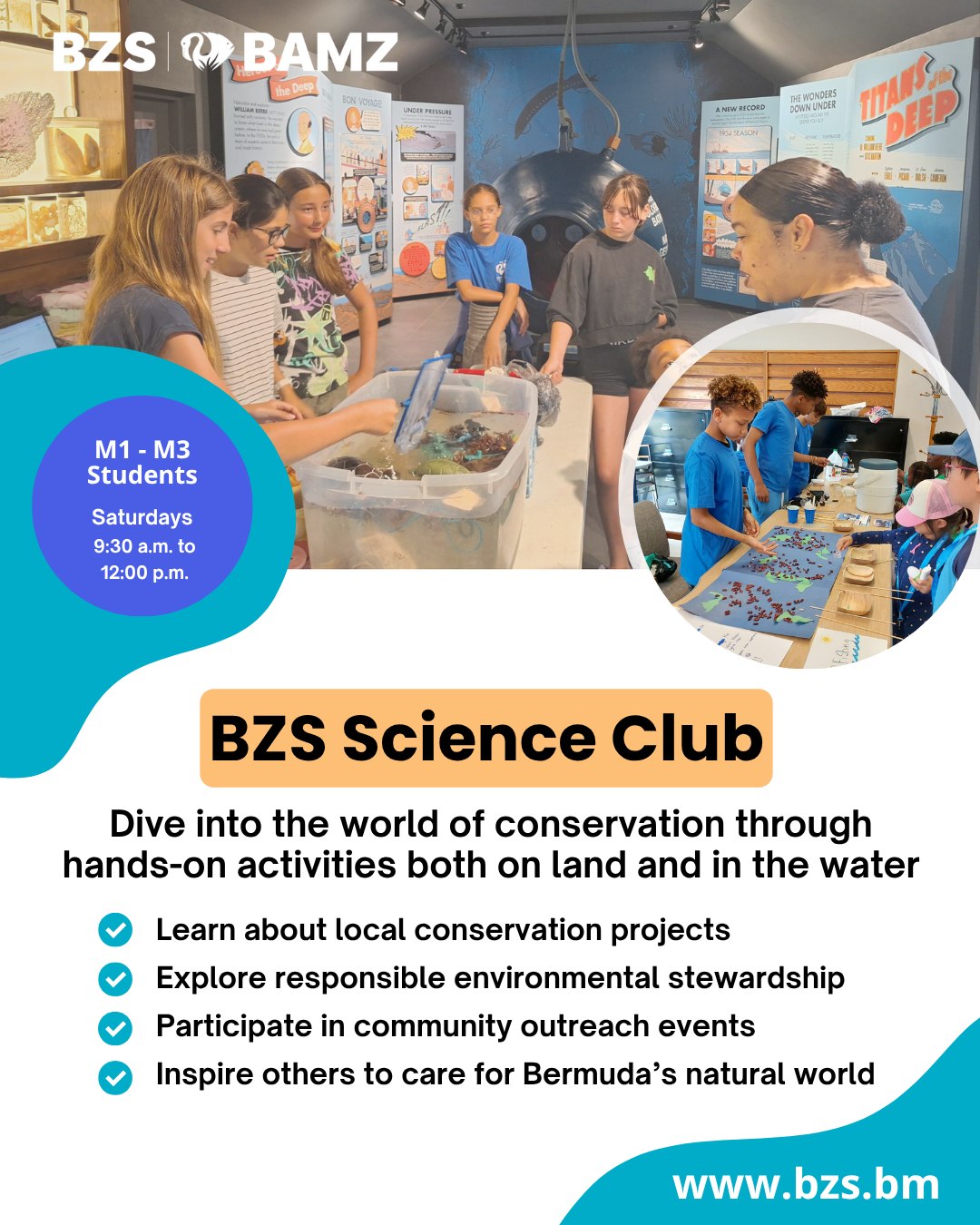
- The importance of environmental stewardship and conservation in Bermuda.
- Overview of hands-on activities in the BZS Science Club, focusing on marine and terrestrial ecosystems.
- Community outreach events and their role in promoting conservation awareness.
- Details about the logistics of the spring term, including dates and pricing.
- The potential impact of participation on young scientists aged 11-13.
Bermuda’s natural environment is a treasure trove of biodiversity, hosting a range of unique ecosystems and endemic species. The importance of environmental stewardship cannot be overstated as global challenges pose significant threats to local habitats. Young residents of Bermuda can engage deeply with these themes at the Bermuda Zoological Society’s (BZS) Science Club. With remaining spaces available for the spring term, aspiring young scientists can participate in an experiential learning journey centered on conservation.
The BZS Science Club provides an engaging platform for students to explore the intricate dynamics of local ecosystems. Young members will engage in various hands-on activities aimed at understanding both terrestrial and aquatic conservation efforts. These immersive experiences are designed to foster a sense of responsibility toward the environment and highlight the integral role young people play in preserving Bermuda’s natural heritage.
One key aspect of the Science Club is the exploration of conservation projects directly relevant to Bermuda. These initiatives focus on the protection of local species, including endangered plants and marine life. Participants will learn about critical efforts aimed at safeguarding Bermuda’s coral reefs, which face threats from climate change and human activity. In understanding these projects, students can appreciate the urgent need for effective management strategies, as well as the responsibilities that come with it.
The activities planned for the spring term will bolster students’ understanding of environmental issues through direct involvement. Activities include field trips to local habitats where students will collect data, conduct observations, and learn ecological monitoring techniques. These hands-on experiences aim to cultivate a scientific mindset, encouraging students to ask questions, consider solutions, and appreciate the processes that sustain local ecosystems.
Educational sessions will also emphasize the importance of biodiversity. Bermuda is home to critically endangered species, including specific plant and animal varieties that are crucial to the island’s ecological balance. By learning about these species and their roles in the ecosystem, students will better appreciate the interconnectedness of life and the potential consequences of biodiversity loss.
In addition to core conservation topics, the Science Club will also facilitate community outreach initiatives. Events such as the Ag Show and World Ocean Day provide students with the opportunity to share their newfound knowledge with the broader community. This outreach is vital, as it inspires awareness and encourages collective action toward environmental challenges. Engaging in these events will further enhance the students’ understanding of their role within the community as advocates for environmental responsibility.
The logistics of the spring term have been thoughtfully arranged to cater to the needs of young learners. Beginning on Saturday, April 18, the program consists of eight sessions designed to provide a comprehensive learning experience. The cost is set at $320 for the term, which covers educational materials and program expenses. Students aged 11 to 13 are particularly encouraged to enroll, as this age group is positioned to develop strong pro-environmental attitudes that can influence their peers and community.
As they participate in the Science Club, young scientists will encounter a range of scientific concepts. This includes an introduction to ecological principles, understanding ecosystems, and recognizing the impacts of human activities on the environment. Such knowledge equips students with the necessary background to make informed decisions later in life, further amplifying their potential as conservation advocates.
The overarching theme of the Science Club extends beyond individual knowledge acquisition; it fosters a collaborative spirit among participants. Students will work in pairs or small groups during various activities. This cooperation can enhance their social skills and teamwork, allowing them to learn from each other’s perspectives and solutions. This type of collaboration will be essential as they tackle pressing environmental issues, often requiring community-focused approaches.
The educational curriculum is structured to reflect real-world challenges. Students will be engaged in discussions about climate change, its implications for island ecosystems, and what practical steps can be taken to mitigate its effects. By grounding their learning in current issues, the program ensures that students can relate their experiences to the ever-evolving environmental landscape.
Moreover, the importance of environmental stewardship will be a recurring theme throughout the program. Participants will explore the ethical dimensions of conservation, discussing questions such as: What does it mean to be a responsible steward of the environment? How can individual choices impact our ecosystems? These discussions will provide a philosophical framework for understanding the importance of proactive engagement in conservation activities.
Bermuda’s natural environments are not just beautiful; they are essential to the local economy, cultural identity, and community well-being. By participating in the Science Club, young people can form a connection with their environment that transcends mere appreciation. They will become informed advocates who recognize the intrinsic value of natural spaces and ecosystems. This year’s Science Club aims to empower young scientists with the knowledge and confidence to contribute positively.
As students learn about conservation initiatives in Bermuda, they will also grasp the broader implications of their local actions. The Science Club emphasizes that every effort counts, regardless of how small it may seem. Participation in community outreach events reinforces this principle, instilling a sense of belonging and responsibility within participants. Through their involvement, students can demonstrate that they are not only learners but also active participants in the preservation of their environment.
The understanding of biodiversity and its conservation conveys a clear message: all living organisms play a crucial role in maintaining ecological integrity. As students become aware of the relationships between species, they will recognize the effects of environmental degradation. This knowledge is vital for nurturing a generation that understands the significance of sustainability and is motivated to advocate for local and global environmental issues.
In terms of logistics, the BZS Science Club streamlines the registration process. Interested parents and guardians can easily register their children through an online portal. Clear communication of the program’s objectives and requirements further aids in providing transparency. Families will also receive updates and newsletters throughout the term, allowing them to stay informed on the students’ progress and achievements.
The BZS Science Club serves as a gateway for young people to explore their interests in science, particularly in conservation biology and environmental management. Through a blend of theoretical knowledge and practical experiences, participants gain insights into the roles scientists play in understanding and mitigating environmental changes. Their journey may inspire future studies or careers in zoology, marine biology, or ecological research.
Addressing the crucial role of early education in conservation cannot be underestimated. The younger generation’s understanding of their natural environment shapes their values and behaviors as adults. Programs like the BZS Science Club initiate this learning process, setting the foundation for lifelong environmental advocates.
The anticipation surrounding the spring term of the BZS Science Club indicates a growing enthusiasm for environmental education in Bermuda. As young individuals prepare to embark on this educational journey, they are taking significant steps in forming their environmental identities. Through hands-on experiences, community engagement, and delving into local conservation projects, students will enrich their appreciation for Bermuda’s unique ecosystems.
The ongoing demand for limited spots in the Science Club reflects the community’s recognition of the need for conservation education. Young people today are visibly more engaged and concerned about environmental issues, eager to be part of the solution. By nurturing this passion early on, the BZS Science Club aligns with a broader movement towards sustainable living and environmental responsibility.
Those interested in building a foundation in environmental science and conservation should act promptly, as spots for the Science Club are filling quickly. The upcoming term offers an unparalleled opportunity for students. By participating, they will not only gain invaluable knowledge but also contribute to a future where Bermuda’s natural heritage is preserved for generations to come.
*****
Source Description
There are still a few spots available for the spring term of BZS Science Club! This term, junior scientists will dive into the world of conservation through hands-on activities both on land and in the water.
Club members will learn about conservation projects happening right here in Bermuda and the importance of environmental stewardship.
Throughout the term, students will also have opportunities to participate in community outreach events, including the Ag Show and World Ocean Day, where they will help share what they’ve learned and inspire others to care for Bermuda’s natural world.
📆The Spring Term of Science Club will begin Saturday, 18 April and includes 8 sessions. The Club is $320 for the term and is open to students 11-13 years old.
📌To register for Science Club, click the �link in our bio.
