
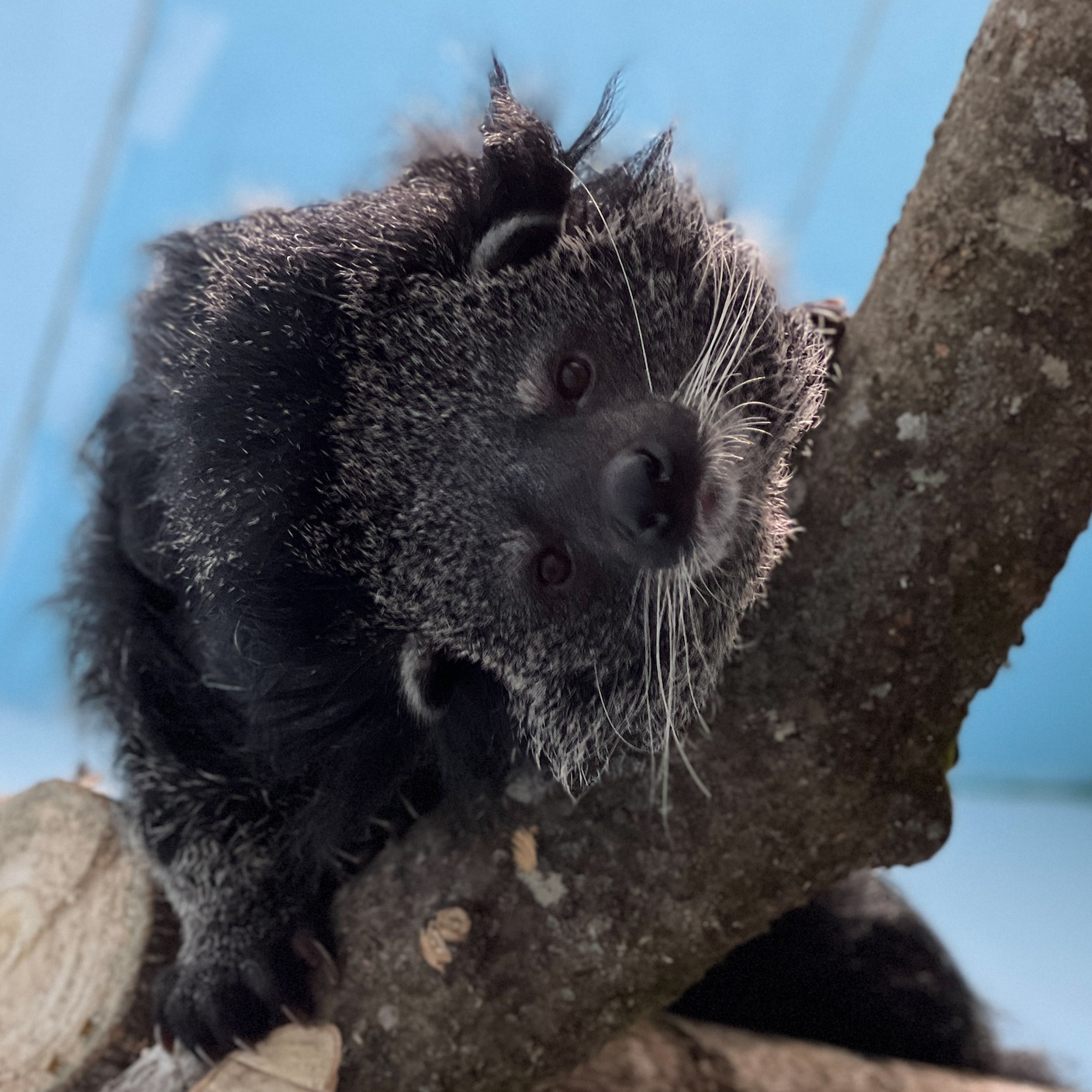
- Introduction to Sandy the Binturong and his background
- Key characteristics and behavior of binturongs
- The ecological role of binturongs in their habitat
- Conservation status and efforts to protect binturongs
- Visitor experience and engagement at the zoo
Sandy the Binturong is a 7-year-old male who was born on January 30, 2019. He recently joined us from Brookfield Zoo in Chicago. Today marks his first day out for public viewing, and we encourage everyone to visit, say hello, and give him a warm welcome to his new home in the Predator Habitat.
Binturongs, often referred to as “bearcats,” deserve a closer look. These fascinating animals offer a blend of unique characteristics and behaviors that make them important to biodiversity. For many visitors, seeing Sandy will be a valuable opportunity to learn about this remarkable species.
Binturongs are native to the rainforests of Southeast Asia, specifically in areas like Thailand, Myanmar, and Malaysia. They belong to the family Viverridae, which also includes civets. With long, shaggy black fur and a distinct prehensile tail, binturongs display a charming appearance that captivates many. Their relatively large size — binturongs can weigh up to 30 pounds — makes them one of the more impressive members of their family.
These animals are primarily nocturnal. They are most active at night, which adds a layer of intrigue for zoo visitors hoping to catch a glimpse of Sandy during his evening roaming sessions. Binturongs are also known for their complex vocalizations. They can produce a range of sounds including growls, grunts, and hisses. Such communication plays a significant role in establishing social structures.
One of the remarkable characteristics of binturongs is their diet. They are omnivores, enjoying a mix of fruit, leaves, and small animals. One of their favorite treats is the fruit of the strangler fig tree. This diet enables them to fulfill an ecological role as seed dispersers. In this manner, binturongs indirectly support the health of their forest ecosystems.
Population dynamics can fluctuate due to habitat loss and fragmentation. The destruction of rainforests for agriculture and urban development poses a significant threat to binturong habitats. These changes jeopardize the animal’s ability to find food and mates, further reducing their populations. Sandy’s arrival underscores the importance of bringing awareness to these environmental issues.
Conservation efforts for binturongs are crucial. Organizations working to protect these animals often engage in habitat restoration, legal protections, and educational programs. Zoos play a significant role in such efforts. By providing a safe environment and working to mimic their natural habitat, zoos help to maintain healthy populations of this species. Sandy’s presence here will help raise awareness of binturongs and their conservation needs.
When it comes to protecting wildlife, educational outreach cannot be understated. By observing Sandy, visitors gain insights into the behaviors and roles of binturongs. They learn how species like Sandy contribute to the ecosystem and why conservation is vital. The educational programs provided by the zoo aim to foster deeper connections between people and animals. These programs often include talks about the unique adaptations and needs of binturongs.
A fun fact about binturongs: they possess a specialized scent gland which produces a smell reminiscent of buttered popcorn. This unusual scent can serve various purposes, including marking territory and attracting mates. It also adds to their appeal for visitors, who may be intrigued by both their looks and their unique characteristics.
For those eager to get involved, many zoos provide opportunities for guests to support conservation efforts financially. Donations help fund habitat protection initiatives as well as programs designed to educate others about the importance of conserving wildlife. The contributions of our guests can have a lasting impact.
Sandy’s arrival also highlights the importance of collaboration among zoos and wildlife organizations. Facilities like Brookfield Zoo and ours work together through breeding programs and genetic research aimed at keeping animal populations sustainable. This cooperative approach to conservation is critical as biodiversity continues to decline on a global scale.
Hotlines and community awareness campaigns emphasize the responsibility individuals have towards protecting wildlife. Binturongs face various threats aside from habitat destruction, including poaching and the illegal pet trade. Public awareness can help mitigate these threats. Educating people about Sandy’s story can foster a greater appreciation for biodiversity and the need for stewardship of our natural resources.
Visitors to the zoo will find Sandy in the Predator Habitat, designed to replicate the environmental conditions found in their native environments. This includes vertical and horizontal structures for climbing, as binturongs are naturally skilled climbers. Observing him in such a thoughtfully created setting allows guests to appreciate his natural behaviors, including climbing and foraging.
Furthermore, social media and community events centered around Sandy can amplify awareness. Sharing Sandy’s story across platforms helps highlight broader issues affecting binturongs and similar species. Such outreach effectively engages a diversified audience, encouraging them to advocate for wildlife conservation.
In addition to their environmental roles, binturongs are also significant cultural symbols in various indigenous communities in their habitats. They are often featured in folklore and stories that highlight the interconnectedness of life and nature. Understanding these cultural aspects adds another layer to the conversation surrounding conservation efforts.
As he settles into his new home, Sandy represents more than just another animal at the zoo. He embodies the larger movement for conservation, education, and ecological awareness. The stories of animals like Sandy can serve as powerful motivators for individuals to participate in wildlife preservation.
Sandy will serve not only as an example of his species but also as a bridge connecting visitors to the vital issues surrounding wildlife conservation. His life at the zoo will inspire guests to appreciate the world around them and consider their roles in protecting it. During his time in the Predator Habitat, visitors are encouraged to observe closely, ask questions, and engage with staff about Sandy and other binturongs’ fascinating traits.
By making Sandy a centerpiece of our educational programs and conservation initiatives, we hope to encourage stewardship towards all wildlife. Witnessing Sandy’s activities firsthand allows visitors to gain a deeper understanding of not just binturongs but also the critical ecosystems that sustain them.
By paying Sandy a visit, you become part of the wider effort to ensure the survival of species at risk. Your engagement fosters a community that values and prioritizes the importance of protecting wildlife. Sandy’s arrival is a reminder of the challenges that lie ahead, but it also brings hope. Together we can support conservation initiatives that not only protect binturongs but also the rich biodiversity of our planet for generations to come.
Sandy’s introduction to our zoo is not just about showcasing a new animal. It is about building a lasting connection between people and the natural world. Come meet Sandy, and let’s celebrate the beauty of wildlife conservation.
*****
Source Description
Meet our newest arrival, Sandy the Binturong 🐾
Sandy is a 7 year-old male, born January 30, 2019, who joins us from Brookfield Zoo in Chicago!
Today is Sandy’s first day out for public viewing, so come by, say hello, and help us give him the warmest welcome to his new home! You can find him in the Predator Habitat 🖤
🍿 Fun fact: Binturongs are often called “bearcats,” and they smell like buttered popcorn thanks to a special scent gland.
📷 – Klara M, Predators
