
- Understanding the significance of early weekend activities for zoo animals, particularly rhinos, and their impact on animal behavior and welfare.
- The role of zoos in conservation efforts and education, highlighting the importance of species like rhinos in these initiatives.
- Exploring the best practices in zoo management and animal enrichment to promote psychological and physical health of rhinos.
- Highlighting the collaborative efforts between zoos and wildlife conservation organizations to protect rhino populations in the wild.
- Examining how educational programs and social media content, such as videos, can raise awareness and support for conservation initiatives.
Kicking off the weekend with an early start for zoo animals, especially rhinos, can be a captivating way to engage both the animals and the public. Implementing varied activities at the onset of the weekend benefits rhinos by stimulating their natural behaviors. This engagement aligns closely with the principles of animal welfare. Providing rhinos with enrichment activities ensures that they remain physically active and mentally stimulated. For zoos, balancing these objectives with logistical capacities forms an integral part of their management strategy.
Zoos have long served as critical allies in efforts to conserve wildlife. By focusing on species such as rhinos, they highlight the importance of preserving biodiversity. Rhinos, both black and white species, face severe threats from habitat loss and poaching. Zoos often participate in breeding programs aimed at boosting populations and increasing genetic diversity. These initiatives are vital to counter the alarming drop in rhino numbers. In addition to breeding, zoos engage in significant educational outreach, teaching visitors about the ecological roles these gentle giants play and the challenges they face.
Zoo management practices concentrate on enhancing animal welfare through careful planning of enrichment schedules. For rhinos, these activities replicate natural foraging, wallowing, and social interactions. Techniques such as scent trails, mud wallows, and browse manipulation encourage exploration and exercise. Staff often adapt activities to match individual rhino preferences and behaviors, blending creativity with scientific understanding. Such practices underscore the necessity for innovation in zoo settings to keep animals active and engaged.
Conservation efforts extend beyond the confines of the zoo. Collaborative ventures with organizations focusing on wildlife protection are essential. Programs aimed at combating poaching and restoring habitats benefit from partnerships that include zoos. These efforts frequently involve on-ground conservationists working tirelessly with local communities to reduce human-wildlife conflict. Addressing these issues helps create environments where rhinos can thrive, reducing dependence on captive populations.
Educational programs designed around animal behavior and conservation play a central role in fostering public interest. Leveraging videos, such as Kicking off the weekend early: Rhino Edition, helps to spread awareness in an engaging format. Social media platforms amplify these messages, reaching global audiences and inspiring active participation in conservation causes. Videos not only entertain but educate viewers on the day-to-day lives of rhinos and the significance of protecting them.
Rhino-focused content seamlessly integrates into broader educational strategies, often featuring storytelling elements that draw viewers in. This approach ensures that the complexities of conservation are communicated effectively, maintaining audience interest. When zoos share stories of individual animals, revealing their unique personalities and challenges, it creates a personal connection. This connection is pivotal in motivating conservation efforts, demonstrating that every individual can make a difference.
Overall, educating the public about rhinos through dynamic content, coupled with robust conservation practices, offers an opportunity to foster a deeper understanding of wildlife conservation. By aligning their message with the interests and values of the audience, zoos can inspire meaningful action to preserve vulnerable species. Engaging content underscores the urgent need for conservation, highlighting the essential role zoos play in these efforts.
Kicking off the weekend early with activities for rhinos not only enhances their wellness but also serves as a powerful tool for public engagement. By supporting these initiatives, individuals contribute to a broader cause that seeks to maintain natural diversity and protect our planet’s rich heritage.
*****
Source Description
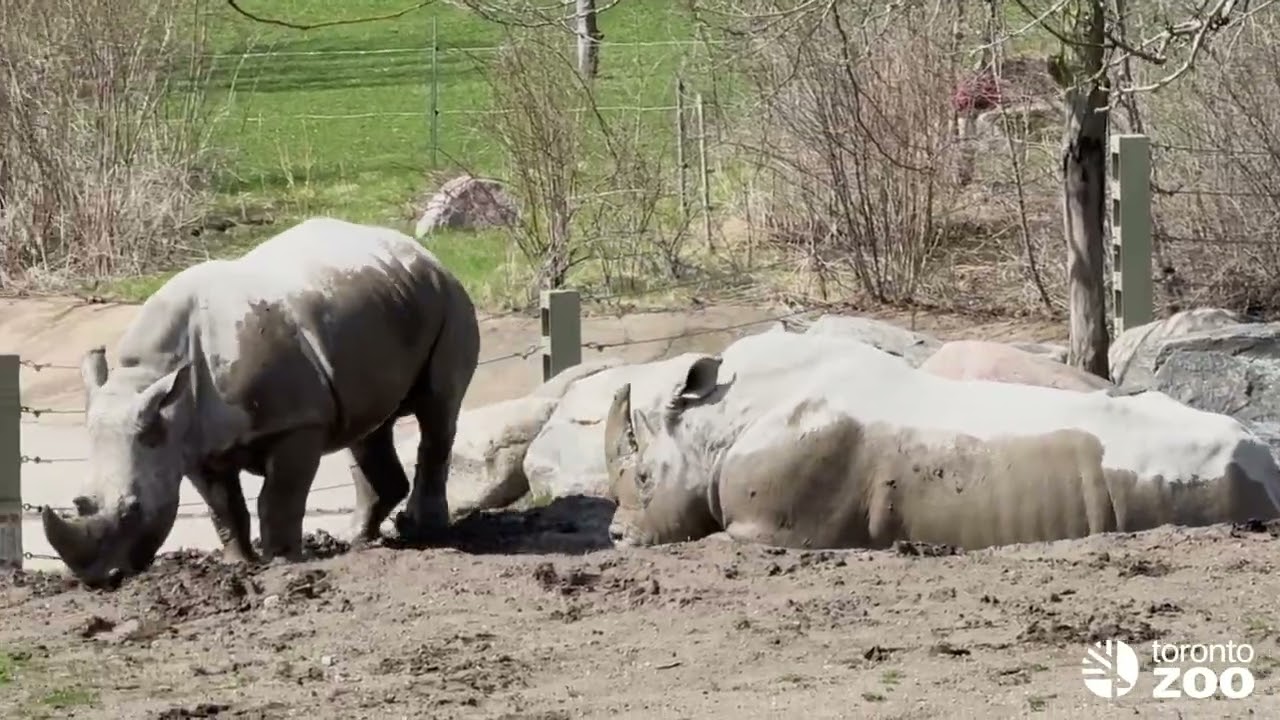
With temperatures in the Greater Toronto Area continuing to climb, the White rhinos in our care stepped into their outdoor habitat for the first time this spring – soaking up the sunshine and enjoying the fresh, warm air.
After a long winter, and like many of us, there’s nothing like warm weather, open space, a mud bath and a few curious sniffs of spring 🌱
Our Wildlife Care team recently weighed the rhinos and their measurements were astonishing! They currently weigh the following:
🦏 Tom: 4682 lbs
🦏 Zohari: 4655 lbs
🦏 Sabi: 4008 lbs
🦏 Kifaru: 2500 lbs
Did you know? Your Toronto Zoo’s white rhinos are part of a vital conservation effort to protect this near-threatened species, helping raise awareness about their survival while offering members and guests a chance to connect with these incredible, gentle giants 🦏
Be sure to keep an eye out for them this weekend and in the days ahead! You might just catch them exploring, grazing, and embracing the season ahead in your Zoo’s Africa Savanna region 💛
