
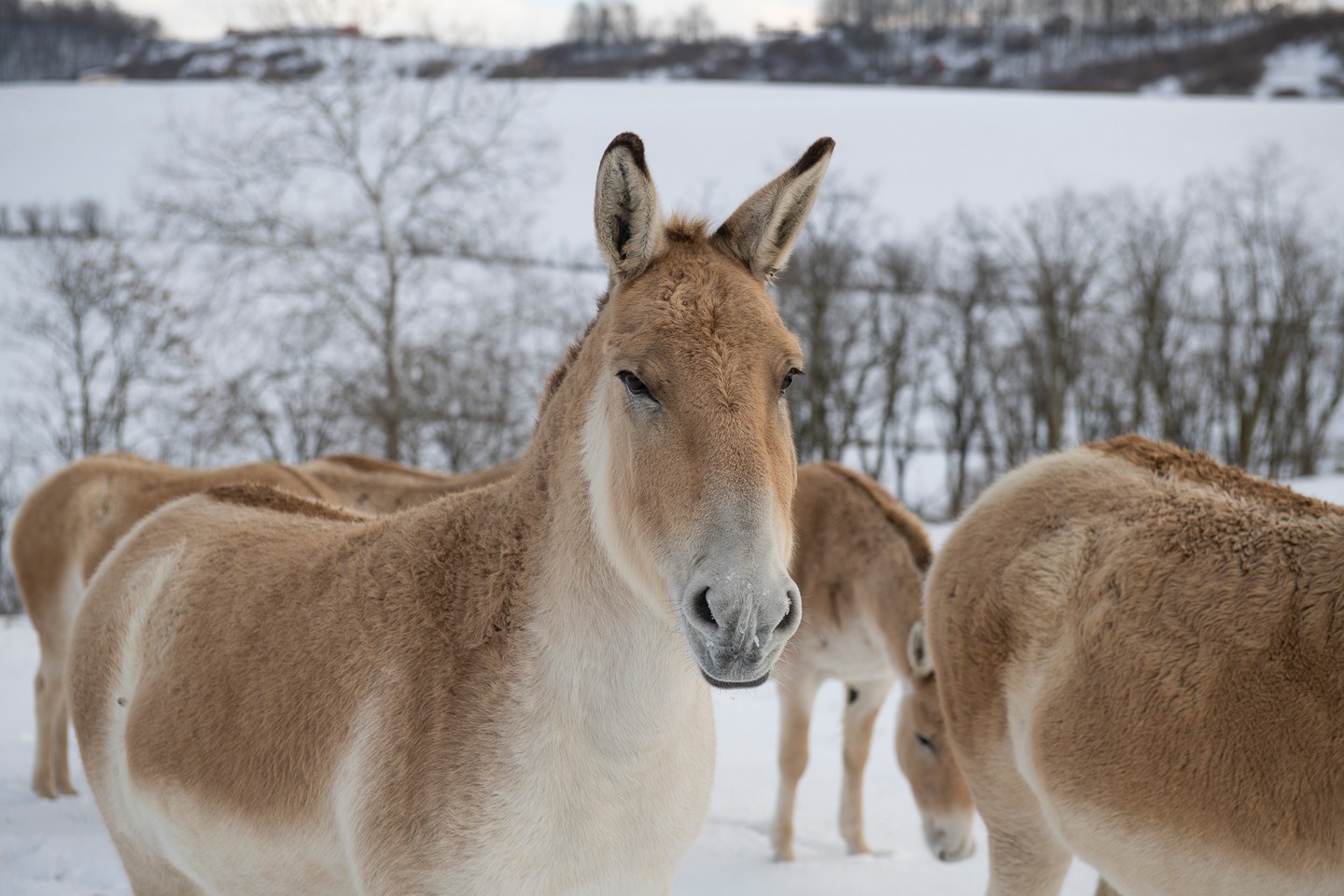
- Understanding chilly temperatures and their effects
- Wildlife adaptation strategies to cold climates
- The significance of indoor animal care in zoos
- Insights into specific species housed at The Wilds
- The role of winter tours in conservation awareness
Chilly temperatures present unique challenges and opportunities for wildlife, and understanding these factors is crucial for both animal care and conservation efforts. Cold environments can affect animal behavior, physiology, and overall well-being. Animals respond to chilly temperatures through a variety of adaptations that help them survive. These adaptations range from physical attributes like thickened fur and fat layers to behavioral changes, such as migration or hibernation.
Some species are well-equipped for cold climates due to evolutionary pressures. For example, Arctic foxes have dense fur and a layer of fat that helps insulate them against the biting cold. Similarly, animals like polar bears possess adaptations to maintain their body temperature despite the frigid surroundings. Their thick layer of blubber and dense fur work in tandem to keep them warm, allowing them to thrive in icy habitats.
However, not all animals are naturally suited for severe cold. Many species may require specialized environments, especially those residing in a zoo setting like The Wilds. To care for these animals during the winter months, The Wilds implements an array of indoor animal care strategies. Frequent monitoring of temperature and humidity levels is critical. Indoor facilities are designed to provide warmth and comfort, offering both shelter from the elements and a space for animals to exhibit natural behaviors.
Farm animal barns and facilities at The Wilds serve not only as shelter but also as educational hubs. During the Winter Wildside Tour, visitors have the opportunity to see how these adaptations play out in real time. A highlight is the opportunity to feed giraffes in their warm barn. Giraffes have unique dietary needs that can be addressed indoors, and this intimate experience allows guests to engage with these magnificent creatures in a comfortable environment for both animal and human.
Equally captivating is the indoor rhino barn, where guests learn about the different species of rhinos residing at The Wilds. Both the Southern white and Indian rhinos are present, each with unique characteristics and conservation needs. The indoor setting allows for a close-up view of these animals while also facilitating educational discussions around their habitats, behaviors, and the threats they face in the wild. Visitors can even participate in feeding sessions and petting, making the educational experience tangible and interactive.
These indoor activities serve a dual purpose: they enrich guest experiences while also contributing to the animals’ overall welfare. By engaging with guests, The Wilds raises awareness about wildlife conservation and the specific needs of different species. This consciousness is vital, especially in a climate that continues to change, impacting wildlife habitats across the globe.
In addition to the indoor experiences, the Winter Wildside Tour can include a mini safari. Guests might observe Przewalski’s Wild Horses, a species making a remarkable recovery from the brink of extinction. Once driven out of their natural habitat, these horses are now being slowly reintroduced into their native ranges. Encountering such a species in the wild adds depth to the experience, highlighting successful conservation stories.
Sichuan takin, another fascinating species housed at The Wilds, are also part of the experience. Well-adapted to cold mountainous regions, these large, hairy herbivores present unique biological adaptations that facilitate their survival. Observing them in a semi-natural setting allows visitors to understand how specific features play a role in their adaptation to chilly temperatures.
Bactrian camels and bantengs are other animals potentially observed during the safari. Bactrian camels are equipped to withstand both extreme heat and cold thanks to their thick shaggy fur. Meanwhile, bantengs, a type of wild cattle from Southeast Asia, display resilience to varying climatic conditions, making them unique subjects for study within the context of temperature adaptations.
The emphasis on caring for animals amidst chilly temperatures underlines the mission of modern zoos. They function not just as entertainment venues but as vital conservation centers. The Wilds exemplifies this philosophy through its efforts to protect endangered species while educating guests about conservation initiatives.
Cold weather can also present challenges in terms of animal welfare, requiring constant vigilance and responsive action. Zookeepers and biologists often participate in training programs focused on providing enriched environments that mimic natural settings, even in the winter months. This commitment to animal welfare directly correlates with successful breeding programs and enhanced species survival rates.
Animal care protocols include feeding strategies that take into account both nutritional needs and seasonal adaptations. For instance, some animals might require additional calorie intake during colder months to sustain their energy levels. Facilities like The Wilds carefully evaluate dietary plans to match these seasonal differences, ensuring optimum health and vitality in their animal populations.
When temperatures drop, it becomes crucial to maintain indoor spaces where animals can retreat from harsh weather. This requires an investment in climate-control systems, from heating mechanisms to humidity monitors. The infrastructure needs to not only safeguard animals but also minimize stress, creating an environment that facilitates natural behaviors.
The role of the Winter Wildside Tour is powerful in forging connections between humans and animals. Learning firsthand about the adaptations animals make in response to cold invites empathy, bridging the gap between species. Educational outreach fosters a sense of responsibility towards safeguarding wildlife and their habitats, motivating guests to become advocates for conservation.
The Wilds stands out as a model for effective zoo management and wildlife conservation, prioritizing animal welfare while connecting guests to the important messages of preservation. In an era where climate change poses significant threats to many species, such educational programs are vital. They contribute to a broader understanding of how environmental shifts impact both wildlife and conservation efforts.
The combination of indoor and outdoor experiences during winter tours at The Wilds highlights the importance of adapting animal care techniques to align with seasonal changes. Various species exhibit different strategies for dealing with cold, and this diversity enriches the educational experience for visitors. Observing animals during their active hours, whether inside or outside, paints a comprehensive portrait of their lives and adaptations.
Adopting a multi-faceted approach to animal care, from facility design to dietary considerations, exemplifies the zoo’s commitment to conservation. The expertise of the staff plays a critical role in addressing chilly temperatures while optimizing the well-being of each resident species.
Through thoughtful planning and the promotion of interactive experiences, The Wilds creates an avenue for deeper engagement with wildlife. It connects guests to nature, encouraging them to take an active role in conservation efforts. The collective impact of these educational experiences extends beyond individual visitors, gradually fostering a society more cognizant of its role in safeguarding the planet’s biodiversity.
Emphasizing the profound relationship between chilly temperatures and wildlife adaptation reflects the necessity for continued education and awareness. Each winter tour not only showcases the beauty of animals but also highlights the ongoing challenges they face. In sharing their stories, The Wilds advances both scientific understanding and public advocacy for wildlife conservation, reinforcing the collective responsibility we share toward the natural world.
*****
Source Description
Chilly temperatures? No problem. Bundle up and take an indoor tour of our animal barns at The Wilds!
With our Winter Wildside Tour, guests get the opportunity to:
🦒 Feed our giraffes inside their cozy, warm barn.
🦏 Tour our jaw-dropping indoor rhino barns, where you’ll learn about both species of rhinos living at The Wilds, and get a chance to pet them and feed them their favorite snacks, too!
Plus, if the weather cooperates, you’ll take a mini safari to see other animals that call The Wilds home, like Przewalski’s Wild Horses, Sichuan takin, Bactrian camels, banteng, and more!
To book your Winter Wildside Tour today using the link in our bio.
