
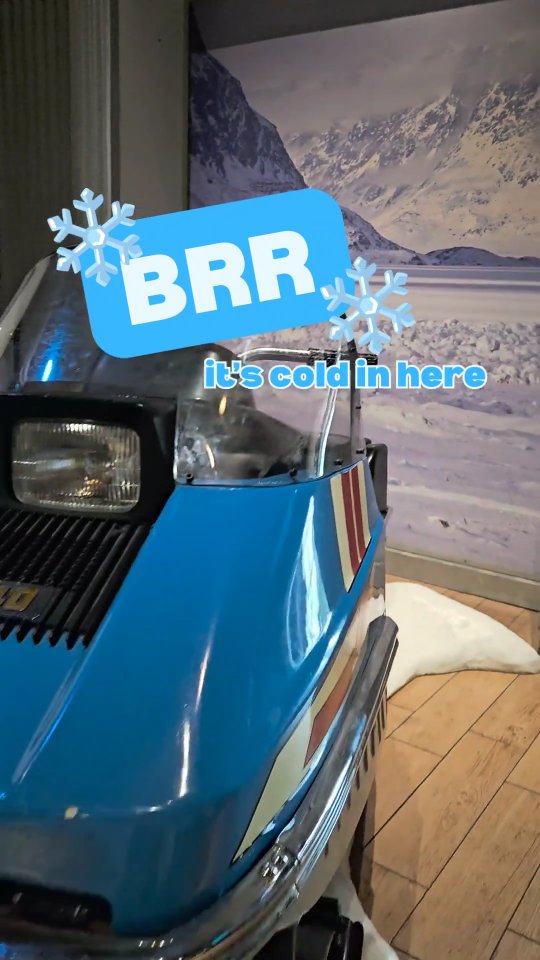
- Understanding the adaptations of polar species for survival in extreme cold
- The impact of climate change on polar ecosystems and wildlife
- The experience of interacting with polar environments at the exhibit
- The significance of conservation efforts for polar regions
- Educational resources connected to polar environments
Visiting the “Brr, it’s COLD in here” exhibit at the Extreme Zone: Poles provides visitors with a deep understanding of life at the poles. The polar regions are characterized by extreme conditions that shape not just the landscape, but also the wildlife that calls this environment home. Understanding the adaptations of polar species offers insight into their survival strategies. Polar bears, for example, have thick layers of fat and incredibly dense fur that insulates them against the biting cold. These adaptations are crucial for maintaining their body heat in temperatures that often plummet well below freezing.
Additional species, such as penguins, exhibit unique behaviors to cope with the frigid conditions. Emperor penguins huddle together in groups to conserve warmth during harsh Antarctic winters. By minimizing surface exposure to the cold air, they can significantly extend the amount of time they can spend outside their nests. These examples illustrate the intricate biological and behavioral adaptations necessary for survival in such unforgiving environments. The exhibit allows visitors to grasp these survival techniques through engaging displays.
Beyond adaptations, understanding the impact of climate change on polar ecosystems is crucial. The polar regions are among the first areas affected by rising global temperatures. Melting sea ice, shifting ecosystems, and alterations in food supply have significant consequences for wildlife. For polar bears, for instance, the diminishing sea ice reduces their hunting grounds for seals, which are their primary food source. This not only leads to challenges in finding food but also presents long-term sustainability issues for their populations.
Other species, such as krill, play a pivotal role in the Antarctic food web. These small crustaceans are essential for the survival of various marine animals, from fish to whales. As the ice melts, krill habitats are altered, which disrupts their populations. This, in turn, has cascading effects on the entire ecosystem. Engaging with the scientific data presented in the exhibit helps visitors understand these pressing issues.
Visitors also have an opportunity to experience the chill of the polar regions by interacting with a giant ice wall. This installation replicates temperatures typical of polar climates, shocking many to realize just how cold these environments can get. It serves to enhance the learning process by providing a tangible experience. By feeling the cold, visitors can better empathize with the harsh conditions polar species endure and subsequently appreciate the delicate balance of these ecosystems.
The educational component of the “Brr, it’s COLD in here” exhibit goes beyond mere displays and installations. It incorporates multimedia experiences, including videos and interactive stations, that further illustrate the challenges faced by polar wildlife as climate changes. Additionally, the exhibit pairs well with the Antarctica 3D film at the IMAX Theater, which provides an immersive viewing experience of the environment. Group discussions and workshops frequently accompany the exhibit, aiming to enhance understanding of polar ecosystems.
Conservation efforts in polar regions are increasingly important, especially as human activity continues to influence these delicate environments. Organizations are working hard to protect not only wildlife but also the specific habitats they depend on. Mismanagement of natural resources can have irreversible impacts on biodiversity and ecosystem health. The exhibit emphasizes the importance of these initiatives, guiding visitors on how they can contribute to conservation efforts.
Educational resources connected to polar environments expand the knowledge gained from the exhibit. Schools and environmental organizations offer materials related to polar ecosystems, encouraging curriculum integration that promotes awareness from a young age. Hands-on learning experiences in classrooms can enhance this understanding further, making wildlife conservation a shared concern among new generations.
Ultimately, “Brr, it’s COLD in here” offers more than just a glimpse into the lives of polar species. It is a call to action for everyone to engage with these pressing issues. Understanding how species at the poles adapt to survival, the effects of climate change on their habitats, and the importance of conservation not only informs attendees but uplifts collective consciousness about environmental stewardship. The exhibit serves as a bridge to inspire further exploration and commitment to ecological well-being. Those working within zoology, zoo management, and wildlife conservation alike can appreciate the educational value encapsulated within the resource.
You can engage in meaningful discussions about biodiversity, biogeography, and the ecological importance of protecting polar environments. A visit to the exhibit will deepen knowledge of the wildlife thriving in extreme conditions and the challenges they face. The dynamic experience provides opportunities for communal learning and advocacy for conservation, culminating in a more informed public ready to champion environmental causes.
The steps taken today can lead to a more sustainable future for polar environments and the wildlife that inhabit them. Every action counts, and understanding the intricacies of polar survival fosters a genuine respect for the natural world. Visit the exhibit and immerse yourself in the fascinating adaptations, ongoing challenges, and vital conservation efforts of the polar ecosystems.
*****
Source Description
❄️Brr, it’s COLD in here❄️
CHILL out in Extreme Zone: Poles! ⤵️
🐻❄️ Visit our polar research station to discover how species at the poles cope with the cold
🔍 Learn how the ecosystem’s climate is changing
🥶 Feel the chill of our giant ice wall
🆓 Included with free general admission
🐧 This exhibit also pairs well Antarctica 3D at our IMAX Theater! (Tickets required.)
