
- The significance of weather conditions on zoo operations.
- How winter weather impacts animal care and habitats.
- The importance of safety measures for visitors and staff.
- Engaging with wildlife and conservation from home.
- Future implications for wildlife conservation during winter months.
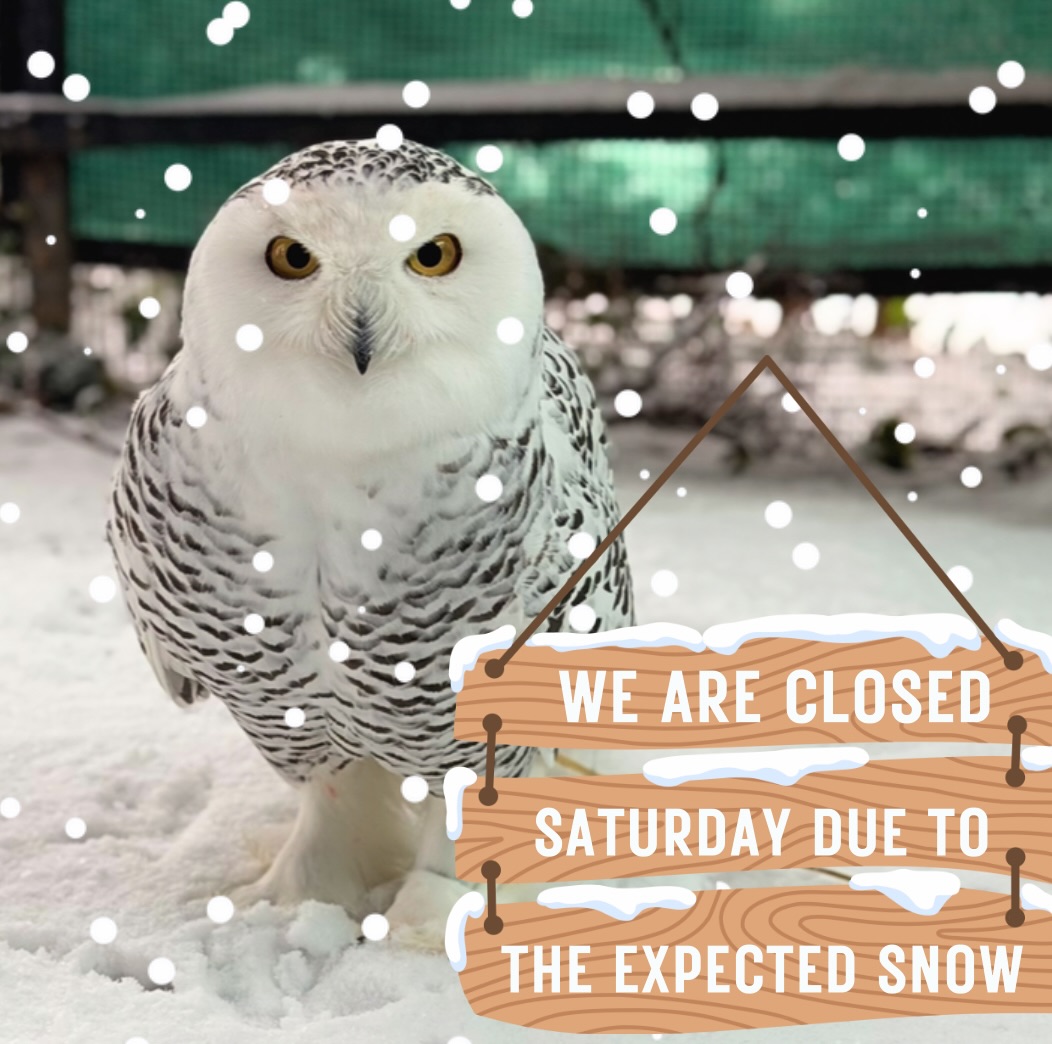
Weather conditions can have an extraordinary impact on operations at facilities like zoos. When winter arrives with heavy snowfall, zoos must prioritize the safety of both animals and visitors. The approaching storm and its predicted snowfall means that facilities like ours will need to close their doors temporarily, as we have chosen to do so on Saturday, December 27th. This decision reflects our commitment to the well-being of everyone involved.
Safety measures are critical during severe winter weather. Snowy conditions can lead to increased hazards, such as slippery pathways and heavy accumulation on structures. Zoo management teams monitor forecasts and weather patterns closely. Their objective is to prevent accidents among visitors and staff. In addition to closing the zoo, many facilities implement extensive snow removal strategies and assess the condition of enclosures and walkways.
Animal care remains the primary focus even during a closure. Some species are more adapted to cold conditions, while others require additional support during winter. For instance, animals such as Arctic foxes and snow leopards thrive in cold temperatures. Their adaptations include thicker fur and behavioral adjustments. Conversely, tropical animals must be monitored closely when faced with colder weather. To help these animals, zookeepers provide sheltered areas and appropriate heating systems.
Providing adequate shelter for animals during winter is critical in maintaining their health and well-being. Some species might need access to heat lamps or insulated spaces. Enclosure features can be modified to accommodate the unique needs of different animals. Zookeepers work diligently to ensure our wildlife friends are comfortable and safe during winter storms. If certain conditions arise that threaten animal health, additional measures may be taken, ensuring habitats are protected from harsh elements.
While the zoo remains closed to the public, people can still engage with wildlife. Virtual tours and online educational programs bridge the gap, allowing people to appreciate the beauty and value of animals from their homes. During winter months, what could be more magical than watching videos featuring snow-loving animals? Educational content can highlight behaviors specific to winter, encouraging curiosity about how animals adapt to their environments.
Engaging with wildlife also includes discussions about conservation efforts. Many species face significant threats during winter due to weather-related changes in their natural habitats. Climate variations like increased snow cover can restrict food supplies for some animals. Conservation organizations actively research these concerns and develop strategies to help alleviate pressures on vulnerable species. Educational programs can inform audiences about how they can contribute to these initiatives from afar.
When wintery weather conditions arise, visitors need to remember that they are part of a larger conservation effort. Winter services often attract increased interest in wildlife and animal care. As people snuggle up during winter storms, they can reflect on the importance of maintaining animal habitats and protecting biodiversity. This engagement can spark interest in future visits once the snow settles.
Zoo closures due to severe winter weather don’t just affect visitors; they also have implications for conservation initiatives. Understanding how weather affects animal populations is vital for creating effective management strategies. Research indicates that climate and habitats are interconnected. Winter months can present challenges for conservationists who study animal behaviors, movement patterns, and interactions with their environment.
Going beyond immediate impacts, we must consider long-term implications for wildlife. How do changing weather patterns affect migration routes or breeding cycles? Scientific studies indicate that some species may alter their patterns due to these shifts. Keeping animals healthy and safe during winter storms is only part of a broader conversation about climate change and conservation.
Overall, zoo operations are intricate systems that strive to balance animal welfare, visitor experience, and conservation initiatives. When winter storms approach, every decision, from temporary closures to additional care for animals, is made with a focus on safety and sustainability. By closing our doors on Saturday, December 27th, we prioritize safety for all.
Engaging with wildlife conservation, even from home, brings people closer to the natural world. Many projects involve the public in restoration efforts or citizen science initiatives. This allows individuals to contribute to conservation goals. Snow-covered parks and zoos may be closed, but the spirit of animal protection persists, fostering hope for a better future for wildlife.
The winter season is crucial for many ecosystems globally. Snow serves as an insulating layer for ground-dwelling plants and animals. In many regions, it plays a critical role in water cycles. People who appreciate nature can learn about these interconnections through online resources. Understanding how climate affects wildlife provides greater context for conservation initiatives.
Despite the temporary closure, the mission remains to inspire and educate about wildlife. Cold weather can be enchanting; watching snow fall can create a sense of wonder and anticipation. Cozy up with documentaries about animals thriving in winter environments, from wolves to penguins. These stories foster appreciation for the diversity of life and the resilience of nature.
Zoos provide more than just a leisurely experience for visitors. They serve as educational platforms, demonstrating how humans can live in harmony with wildlife. During inclement weather, it is important to reflect on the bond we share with the animal kingdom.
As the snow settles over the city, it creates a picturesque landscape. Yet, the winter weather also serves as a reminder of our responsibilities toward wildlife conservation. Each day presents opportunities for growth and learning. Individuals are encouraged to explore ways to protect the environment, whether through volunteering, donations, or simply promoting awareness.
The relationship between humans and wildlife is intricate. It is essential to foster connections that emphasize empathy and respect for wildlife. This can strengthen efforts in conservation and rehabilitation. Although severe weather poses challenges, it ultimately offers a chance to engage deeply with conservation concepts.
As we anticipate the spring months and the re-opening of our beloved zoo, we can appreciate the cycles of nature. Winter is a season of rest for animals and an important time for reflection for humans. The connections that endure throughout cold months entice visitors back into the zoo when it reopens.
In summary, winter storms bring forth various challenges and opportunities. The announcement of a zoo closure symbolizes our duty to protect both animals and visitors. As we cozy up and enjoy holiday magic from home, it’s vital to remain committed to wildlife conservation and understand the significance of each season.
*****
Source Description
Looks like winter is really showing off! With a significant amount of snow expected, we’ll be closing the zoo to the public on Saturday December 27th to keep everyone safe. Snuggle up, enjoy the holiday magic from home, and we’ll see you soon—once the snow settles ❄️💙
