
- Steller’s sea eagle’s hunting techniques and behaviors
- Physical adaptations that contribute to their hunting success
- Habitat and distribution of Steller’s sea eagles
- The ecological role of Steller’s sea eagles in their environment
- Conservation efforts and threats faced by the species
Steller’s sea eagles are some of the most extraordinary aerial predators in the avian world. Their hunting techniques are fascinating not just for their efficiency but also for the sheer grace and power these birds exhibit while in search of prey. These eagles typically initiate their hunts from a perch positioned 15 to 150 feet above the water’s surface. From this advantageous height, they utilize their eight-foot wingspan to glide and circle approximately 20 feet above the water. This vantage point enables them to scan the surface for fish and other food sources. When they identify a potential catch, they dive downward with remarkable speed, capturing prey just beneath the water’s surface. This hunting strategy showcases their precision and expertise.
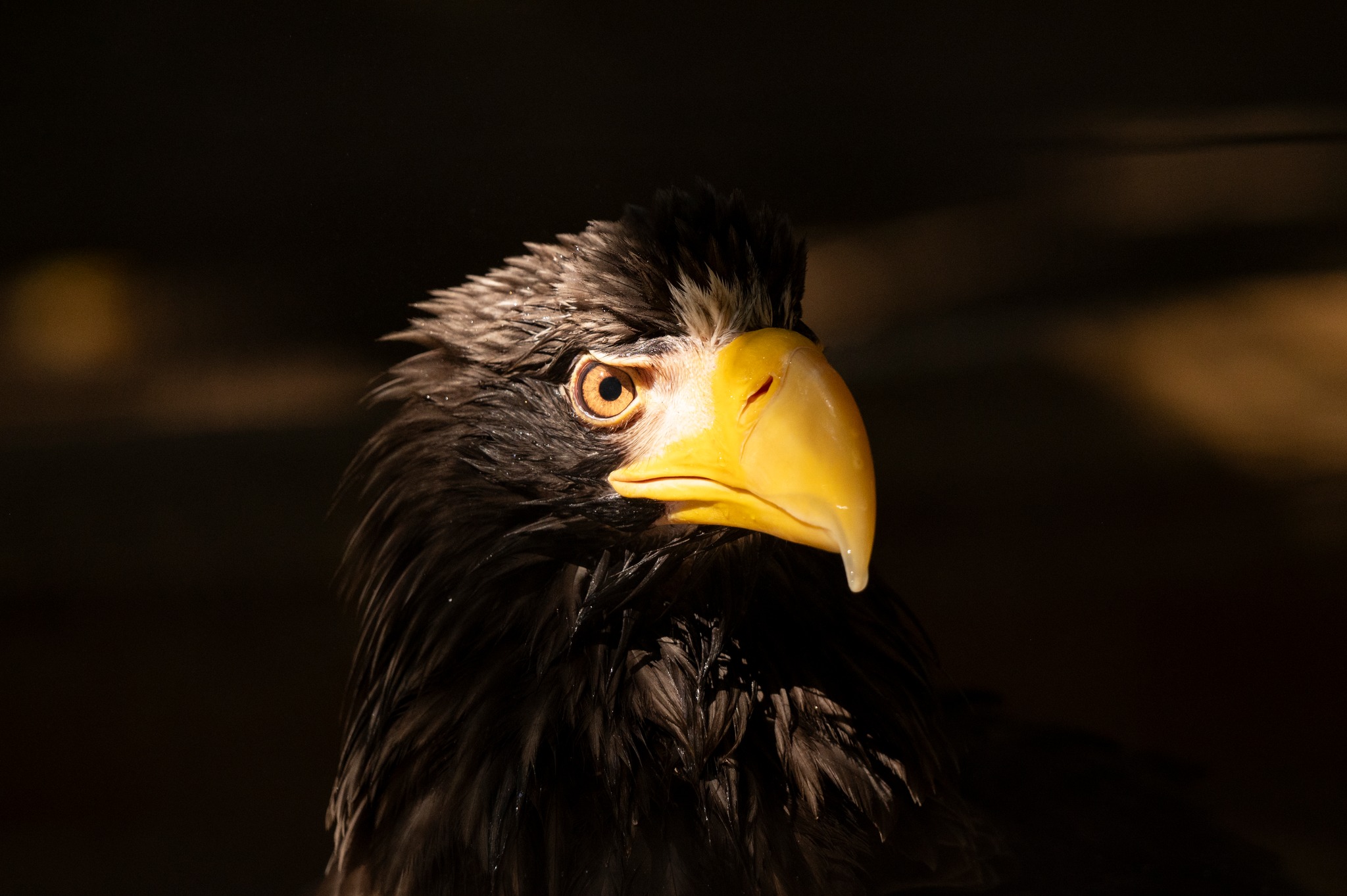
Steller’s sea eagles boast extraordinary physical adaptations that enhance their effectiveness as hunters. Their large, strong feet equipped with sharp talons allow them to grasp and carry fish with ease. Their talons serve not just as tools for capture but also as weapons against potential threats. The eagle’s hooked, sharp beak is the largest among all eagle species, excellently suited for tearing flesh. This powerful tool enables them to consume their catch efficiently. The combination of keen eyesight and these formidable physical traits makes Steller’s sea eagles remarkably adept hunters.
The habitat and distribution of Steller’s sea eagles are important factors in understanding their ecological role. Primarily found in the coastal regions of northeastern Asia, particularly in Russia, Japan, and Korea, they thrive in environments that offer abundant food sources and suitable nesting sites. Their preferred habitats include river estuaries, coastal cliffs, and islands where they can hunt effectively. These areas provide access to fish, a staple in their diet. Moreover, the presence of trees and tall cliffs serves as excellent perches for spotting prey.
The ecological role of Steller’s sea eagles extends beyond their hunting prowess. As apex predators, they help maintain the balance within their ecosystems. By preying on various fish species, they assist in regulating fish populations, contributing to the health of aquatic ecosystems. This predatory behavior ensures that fish communities remain diverse and stable. Additionally, when Steller’s sea eagles scavenge on carrion, they facilitate nutrient cycling, benefiting other organisms in their environment.
Despite their remarkable adaptations and ecological significance, Steller’s sea eagles face numerous threats. Habitat loss due to human activities, such as coastal development and pollution, poses a substantial danger to their survival. Furthermore, overfishing in their habitats diminishes their food sources, leading to competition and stress. Climate change also impacts their ecosystems, affecting fish populations and nesting sites. Conservation efforts are critical to safeguarding these magnificent hunters. Organizations dedicated to wildlife conservation are implementing various initiatives aimed at habitat preservation and restoration. These measures involve creating protected areas, promoting sustainable fishing practices, and raising awareness about the plight of Steller’s sea eagles.
Understanding the intricacies of Steller’s sea eagles’ hunting behaviors, physical adaptations, and ecological roles enhances our appreciation for these majestic creatures. Their impressive hunting techniques, coupled with their critical role in maintaining ecosystem health, reflect the delicate balance shared in natural environments. Educating the public about the threats they face is essential for fostering support for conservation initiatives. Engaging communities in local conservation efforts can create significant change and promote stewardship for Steller’s sea eagles.
The Steller’s sea eagle at the L.A. Zoo offers a prime opportunity for visitors to witness these magnificent hunters up close. Observing their behavior in a controlled environment can spark interest and foster a deeper understanding of wildlife conservation. Awareness programs, educational exhibits, and engagement activities play a vital role in connecting people with these incredible birds. Exhibitions at zoos often aim to provide insights into the natural history and habits of various species, including the Steller’s sea eagle.
Through a combination of education, research, and community involvement, efforts to protect Steller’s sea eagles can bear fruit. The collaboration between conservation organizations, government agencies, and local communities is paramount in addressing the threats these eagles face. By investing in research, conservation plans, and public engagement initiatives, stakeholders can foster a sustainable coexistence with nature.
Steller’s sea eagles’ impressive hunting techniques, coupled with their critical ecological roles, highlight the importance of preserving their natural habitats. These majestic birds symbolize the interconnectedness of wildlife and the environments they inhabit. By appreciating their behaviors, understanding their threats, and taking action to protect them, we can contribute to the survival of Steller’s sea eagles for future generations.
Education about these wonderful hunters can create a ripple effect, inspiring individuals to engage in environmental stewardship. Each step taken toward improving habitats and enhancing our understanding of Steller’s sea eagles contributes to greater awareness. This awareness is crucial for ensuring that future generations will have the chance to experience the beauty and power of these magnificent eagles in the wild.
Efforts to conserve Steller’s sea eagles can be further supported through legislation aimed at protection and habitat preservation. Global initiatives to combat climate change can also play a vital role in safeguarding the environments where these eagles thrive. Without decisive action, the future of Steller’s sea eagles may be at risk. Through persistence, awareness, and action, we can influence outcomes that benefit these incredible birds.
Ultimately, the Steller’s sea eagle holds an important place within its ecosystem and serves as a powerful reminder of the intricacies of nature. By fully understanding their hunting techniques, adaptations, habitat preferences, and ecological significance, we can better appreciate the role these magnificent hunters play in the broader environmental narrative. It is essential to continue to engage with communities, educate future generations, and support conservation initiatives that aim to protect Steller’s sea eagles and their habitats.
The knowledge we gather about Steller’s sea eagles not only enriches our understanding but also positions us as advocates for their conservation. Enthusiasts, researchers, and conservationists must unite in the mission to ensure that these majestic hunters continue to glide across the skies of northeastern Asia, embodying the untamed beauty of our natural world. This collective effort is vital for maintaining biodiversity and the health of ecosystems that benefit all wildlife, including Steller’s sea eagles.
*****
Source Description
Steller’s sea eagles are magnificent hunters. The hunt begins from a perch 15 to 150 feet above the water. Making use of its eight-foot wingspan, the eagle circles about 20 feet above the water, scanning for fish. After homing in on a fish, it dives and captures the prey just below the water’s surface. With their large strong feet and sharp talons, they carry their catch back to land. Their hooked, sharp, beaks (the largest of any eagle) are perfectly suited for tearing flesh. Ferocious and efficient!
This species can be seen at the L.A. Zoo just past Chimpanzees of Mahale Mountains!
📸: Zach Rich
