
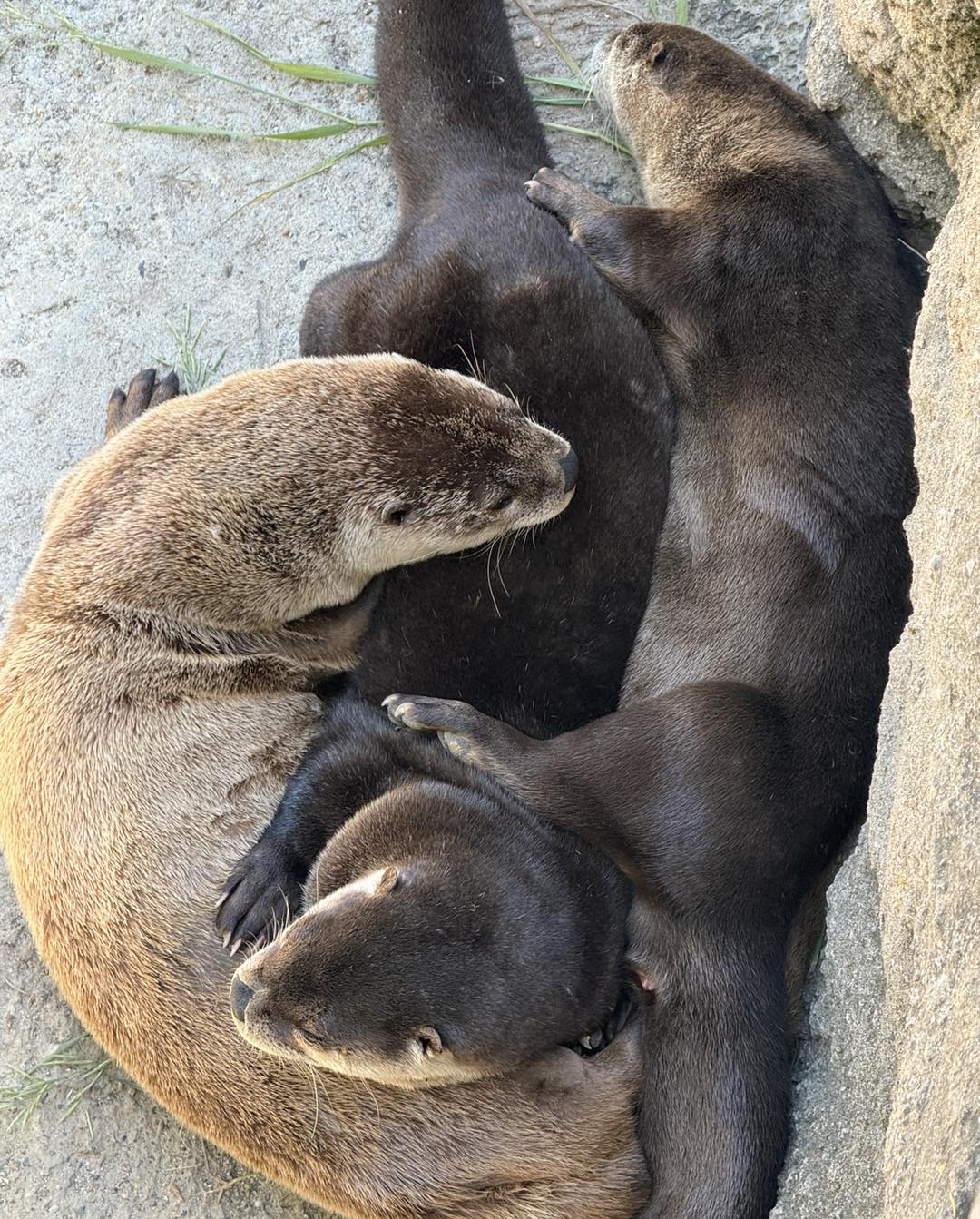
- Understanding Otter Identification Challenges
- The Fascinating Coat Color Changes in Otters
- The Role of Genetics and Environment in Otter Appearance
- Implications for Zookeeping and Wildlife Management
- Conservation Efforts and Public Education about Otters
Otters are captivating creatures that often charm visitors at zoological parks or appear in engaging documentaries. However, distinguishing one otter from another can be a challenge for casual observers and even seasoned zookeepers. Their similar size and playful behaviors often blur distinctions, making individual identification an intriguing endeavor.
One particular otter, Sam, highlights this identification challenge with his striking annual coat change. Every year, at the beginning of summer, Sam’s coat transforms into a stunning blonde hue, setting him apart from his peers and garnering attention. Yet, this change is short-lived. As the months progress, Sam’s fur returns to a more conventional color, blending indistinguishably with his kin. Such transformations underline the fascinating biological and environmental factors influencing otter appearance.
Understanding why Sam’s coat changes color involves exploring genetics and environment. Otters, like many mammals, experience seasonal coat variations which can be attributed to genetic predispositions combined with environmental cues. In Sam’s case, temperature fluctuations, daylight duration, and hormonal changes are plausible triggers for this pigment alteration. The annual cycle of daylight and temperature can result in changes in melanin production, impacting fur coloration.
This knowledge is essential for effective zookeeping and wildlife management. In the controlled environments of zoos, it is crucial to monitor these changes for health insights and behavioral studies. Recognizing individual otters based on patterns and color can help zookeepers provide tailored care and observe unique behaviors, enhancing animal welfare and visitor engagement.
Moreover, these changes in otter appearance offer valuable insights for conservation efforts. By educating the public about such phenomena, wildlife conservationists can foster greater appreciation and support for otter habitats. Highlighting unique traits like seasonal coat changes can engage the public with the broader complexities of ecosystem dynamics and the importance of biodiversity conservation.
In the realm of public education, engaging narratives about otters, paired with vibrant imagery, can elevate interest and awareness. Zoos and conservation organizations can leverage stories like Sam’s to foster a deeper connection between people and wildlife, encouraging support for preservation initiatives.
Overall, the annual coat color transformation of an otter like Sam is more than a curiosity. It serves as a window into understanding the interplay of genetics, environment, and species adaptation. This phenomenon provides crucial information for those involved in zoology, wildlife management, and conservation, highlighting the intricate relationships within natural ecosystems. By embracing these insights, we can further efforts to protect otters and the diverse habitats they inhabit, ensuring their continued presence for future generations to study and admire.
*****
Source Description
Having a hard time telling the otters apart? What if we told you they also change colors🤣
This photo shows Sam the otter’s (left) beautiful blonde coat that he sports for only about one month every year, around the beginning of summer. Come the later months – poof! He blends back in with his parents🦦
