
- The social structure and behavior of grizzly bears
- The importance of wildlife rehabilitation and rescue
- Optimal care and habitat design for zoo animals
- Enrichment activities that promote animal well-being
- Conservation efforts and public education initiatives
Summer has officially arrived, and the excitement around our three female grizzly bears is palpable at the Central Park Zoo. These bears provide an excellent opportunity not only for fun interactions but also for learning about their behavior, rescue stories, and conservation importance.
Grizzly bears exhibit social structures that are fascinating yet complex. In their natural habitats, these bears typically tend to be solitary animals. However, females, especially those with cubs, may tolerate one another around food sources or during mating seasons. Understanding their social dynamics helps us appreciate their behavior in a zoo setting. Here, the three bears live together and display a range of interactions, from playful wrestling to grooming each other. Visitors can observe how these interactions reflect their adaptational strategies and offer insights into their personalities.
The rescue story of these bears serves as a poignant reminder of the need for wildlife rehabilitation. Orphaned as cubs in Montana, these bears were unable to survive in the wild due to their young age and lack of survival skills. Wildlife officials stepped in to save them, transferring the cubs first to the Bronx Zoo for initial care and ultimately bringing them to the Central Park Zoo in May 2022. This rescue highlights the ongoing battle faced by many wildlife species against habitat loss and human intervention. Programs aimed at rehabilitation help mitigate these impacts, allowing us to foster a sense of responsibility toward wildlife.
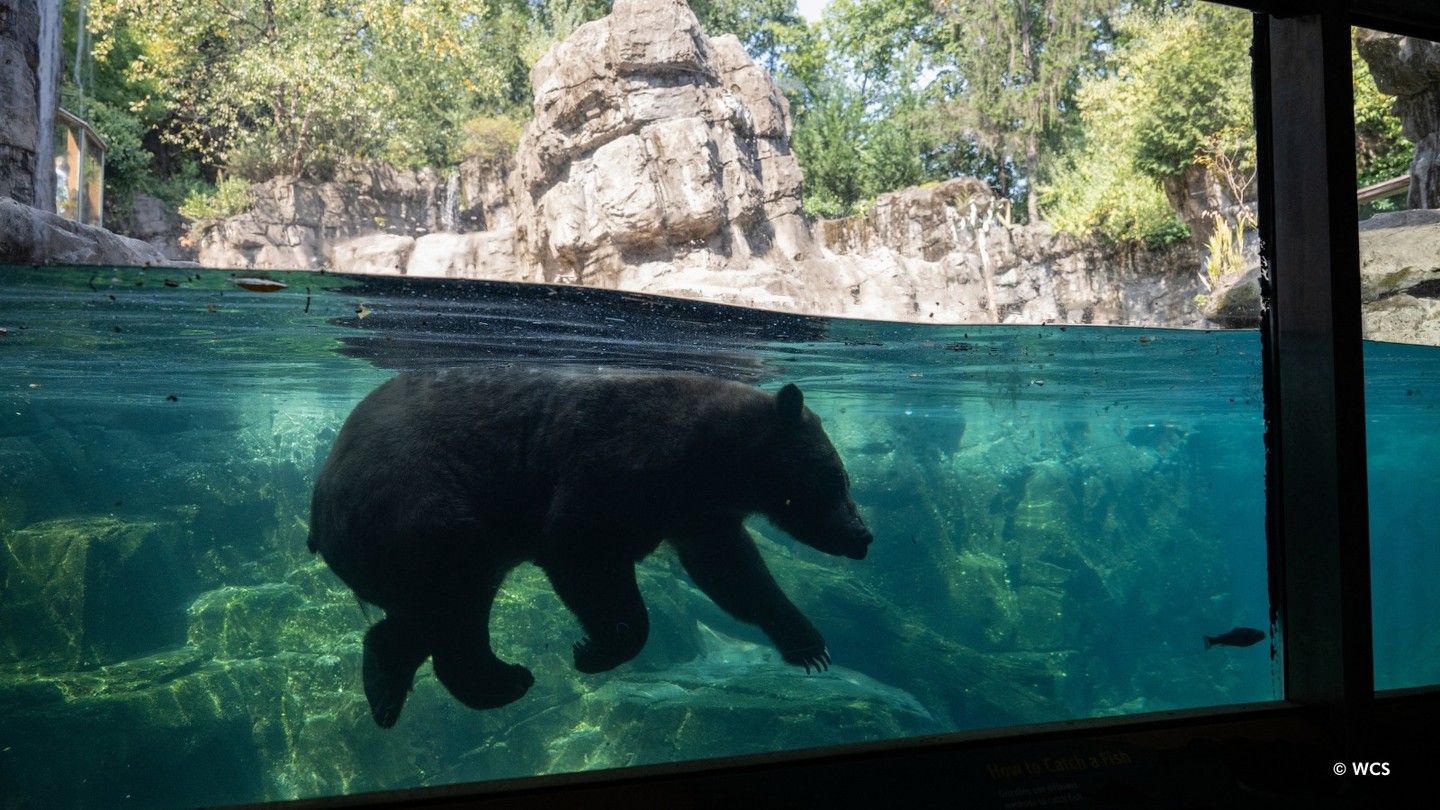
The design and management of habitats in zoos significantly influence the well-being of animals. At Central Park Zoo, careful attention has been given to creating an environment that reflects the natural habitat of grizzly bears as closely as possible. The exhibit includes varied terrain and accessible water features, allowing the bears to climb, dig, and swim. The layout supports essential behaviors that they would engage in the wild, promoting a sense of comfort and reducing stress. This well-structured environment not only enables the bears to display natural behaviors but also serves as an educational tool for the public, demonstrating the challenges wild bears face in their habitats.
Enrichment activities are vital in promoting cognitive engagement and physical activity among animals. Each day, the bears participate in activities designed to stimulate their natural instincts. One favorite feature at the Central Park Zoo is the live rainbow trout fishing activity. This exercise provides both physical enrichment and mental stimulation, as the bears engage with their environment to hunt for food. Observers can witness their impressive fishing skills, which echo the behaviors they would exhibit in the wild. The commitment to such activities indicates a deep understanding of animal psychology, enhancing the quality of life for the bears.
The role of zoos extends beyond entertainment; they are integral to broader conservation efforts. Education about wildlife and animal behavior is a significant aspect of their mission. Central Park Zoo actively engages the public through workshops and talks focused on grizzly bears and other species. Understanding the ecological importance of these animals and their habitats fosters a sense of stewardship among visitors. This educational outreach encourages individuals to become advocates for wildlife conservation in their daily lives, extending the impact of educational initiatives far beyond zoo walls.
Wildlife conservation remains a pressing concern in today’s world. As human activity continually alters natural environments, grizzly bears, among many other species, face significant challenges. Habitat encroachment and climate change threaten their survival, emphasizing the importance of concerted conservation efforts. Through collaborations with various organizations and educational programs, the Central Park Zoo plays a vital role in raising awareness and advocating for policy changes aimed at protecting these magnificent animals.
Every summer, as visitors come to see our bears, they experience firsthand the challenges wildlife faces and the importance of sustainable coexistence. Efforts in wildlife rehabilitation, appropriate habitat design, and enrichment activities collectively work toward ensuring a better future for these animals. Each bear at Central Park Zoo has a story, and by sharing these stories, we create connections that inspire people to take action.
Summer brings vibrant opportunities to observe the health and vitality of the bears as they engage with their environment. The bears’ playful antics, whether they are splashing in the water or climbing on rock features, serve not only as entertainment but also as a living lesson in wildlife behavior and ecology. By providing this window into their lives, Central Park Zoo establishes a platform for meaningful discussions about relevancy and animal welfare.
It is also crucial to monitor the health and behavior of our bears throughout the season. With rising temperatures and fluctuating weather patterns, we aim to adapt to the needs of our animals. This includes adjusting diet, hydration strategies, and habitat features to promote comfort and joy in their surroundings. Regular health checks, behavioral observations, and responsive care are essential components of effective zoo management.
In line with wildlife rehabilitation, it is important to reflect on the ethical considerations surrounding animal care. Captivity has a mixed reputation, yet responsible zoos work tirelessly to provide experiences that mimic natural conditions. The ongoing focus on conservation and public education underscores the lasting impact these animals can have if we learn from their stories. Ethical considerations are paramount; as such, continuous development ensures that animal welfare remains a priority.
Summer at Central Park Zoo is not just a time for excitement; it is a season for learning, engagement, and connection. Observing our grizzly bears engages the public in discussions about conservation strategies and sparks interests that can lead to diverse actions for wildlife protection. Every visit contributes to a greater understanding of the challenges wildlife encounters, and through this awareness, we hope to inspire proactive involvement in conservation.
As we continue to celebrate the arrival of summer, let us reflect on what it means to cohabit our planet with wild creatures like grizzly bears. The stories unfolding at Central Park Zoo provide a springboard for discussions about our role in conservation and the importance of protecting natural habitats. By uniting efforts in wildlife rehabilitation and public education, we can make significant strides toward ensuring a future where both people and animals thrive harmoniously.
With each passing summer day at the zoo, the joyful antics of our grizzly bears remind us of the wonder of wildlife. Their journey from Montana to Central Park symbolizes resilience and the ongoing commitment to wildlife protection. Join us as we work to safeguard these incredible animals and share their story with all who visit. The grizzly bears at Central Park Zoo serve not just as ambassadors of their species but as powerful reminders of the interconnectedness of life on Earth.
*****
Source Description
Summer is officially here and we can “bearly” contain our excitement.
Here at Central Park Zoo, we have three female grizzly bears. For our new followers who do not know their rescue story, all three female bears were orphaned as cubs in Montana and were deemed unable to survive in the wild on their own. The cubs were rescued by Montana wildlife officials and sent to the Bronx Zoo for their initial care. In May 2022, the bears came to live in their new home at the Central Park Zoo. Observe them exploring the varied terrain and water features in their exhibit with topside and underwater viewing areas. You can even spot them fishing for live rainbow trout as part of an enrichment activity!
📸: WCS photographer, Terria Clay
