
- The biology and thermoregulation behind crocodilian sunbathing, with practical data on temperature, behavior, and physiology.
- Exhibit design, husbandry practices, and daily routines that promote healthy basking for captive crocodilians like Salty.
- The clinical and welfare role of veterinary technicians, highlighting Vet Tech Lauren’s observations and protocols during sunning sessions.
- Conservation, public education, and research outcomes linked to basking behavior and habitat management.
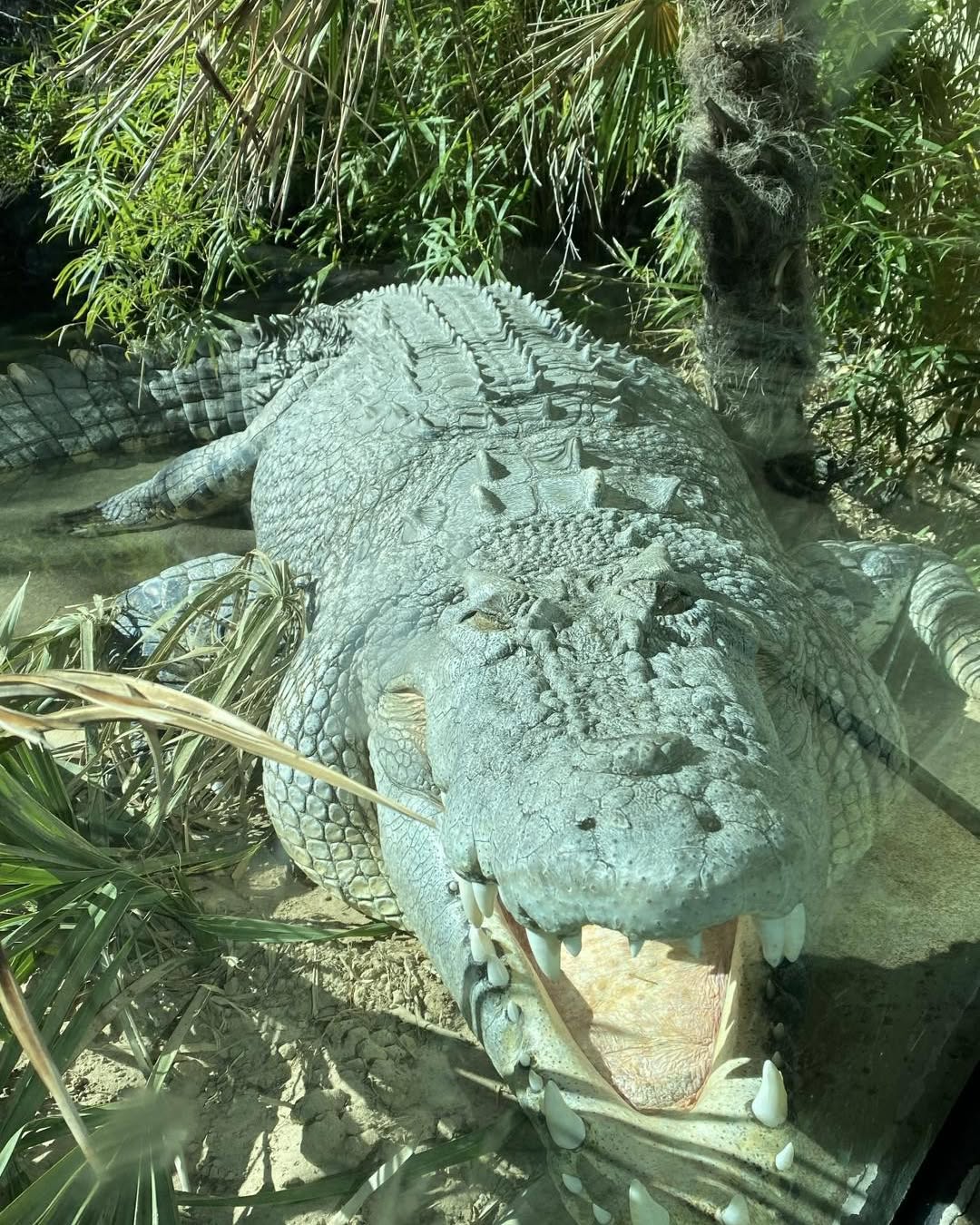
Here comes the sun, do do do do. That simple phrase captures a daily routine for crocodilians: a deliberate movement from water to warm substrate. Salty, our resident crocodilian, follows a precise pattern when he leaves the pool and settles under the heat lamp or sunlight. Observing that behavior provides immediate information about his health, metabolism, and comfort. This article breaks down the biology of basking, practical husbandry measures, veterinary monitoring, and conservation connections tied to sunbathing, with applied examples drawn from Vet Tech Lauren’s field notes and photographs.
Thermoregulation and physiological benefits of sunbathing
Crocodilians are ectotherms. They rely on external heat sources to regulate body temperature, metabolic rate, and physiological processes. Basking raises core temperature, affecting digestion, immune response, and activity levels. Typical basking temperatures vary by species, age, and season. For many crocodilians, optimal body temperatures range from about 28°C to 34°C (82°F to 93°F) for routine activity, with peak digestive performance often near the upper end. Salty’s preferred basking zone sits around 32°C (90°F), measured by infrared thermography during afternoon sessions.
Thermoregulation is behaviorally driven. Crocodilians alternate between basking and immersion to maintain thermal equilibrium. Vasodilation in peripheral tissues during basking allows faster heat uptake, while immersion in cooler water promotes heat loss. This cycle manages enzymatic function in the gut, supports immune defense, and conserves energy between feeding bouts. Basking also influences hormone cycles. Elevated temperatures increase digestive enzyme activity and can accelerate growth in juveniles. In adults, thermal exposure affects reproductive physiology by modulating steroid production and gamete maturation. Observations of Salty’s basking duration post-feeding showed predictable increases in time on the platform, consistent with increased metabolic demand for digestion.
Sunlight delivers more than heat. Ultraviolet radiation, especially UVB, plays a role in vitamin D3 synthesis in many reptiles. Vitamin D3 facilitates calcium absorption, a critical factor for bone and shell health, and for egg production in females. Captive environments must replicate natural UVB exposure at intensity and duration appropriate for the species. Vet Tech Lauren records UV index and lamp output regularly to correlate Salty’s behavior with photic conditions. When UVB is inadequate, animals can show metabolic bone disease, lethargy, and altered posture—clinical signs that demand prompt intervention.
Behavioral signs and what they indicate
Basking duration, posture, and microhabitat selection reveal health status. Healthy crocodilians frequently adopt lateral or oblique positions with limbs splayed to maximize surface area exposed to heat. Tight, hunched postures or reduced basking may indicate pain, hypothermia, or systemic illness. Salty often wedges his head on a rock and remains motionless—a normal thermoregulatory posture that minimizes evaporative cooling. Conversely, erratic movement or prolonged floating suggests water temperature issues or infection.
Social dynamics affect basking patterns too. Dominant individuals typically claim prime sunlit spots. In mixed-species or group exhibits, subordinate animals might receive less thermal access, which can suppress growth and immune function over time. Exhibit layout must address this by offering multiple, distributed basking points. Vet Tech Lauren documents social interactions during sun cycles and adjusts enrichment and feeding schedules to reduce conflict and guarantee thermal access across the group.
Husbandry and exhibit design for optimal sunbathing
Exhibit design must recreate thermal gradients. Crocodilians require access to a range of temperatures in a single enclosure so they can self-regulate. Provide shallow basking shelves at varying heights and depths of water for differential heat exposure. Substrate choice affects conductive heat. Rock and concrete retain heat and offer stable basking platforms. Naturalistic wood or sand may be more comfortable for movement but heat up and cool down differently. In Salty’s enclosure, a combination of textured stone platforms and a shaded retreat offers both heat retention and escape from direct sun.
Lighting strategy blends natural sunlight, where available, with artificial fixtures. Consider spectral output, UVB percentage, and lamp placement. Active UVB measurement is critical because glass and some plastics filter out needed wavelengths. Use bulbs rated for reptile use and replace them on manufacturer schedules because UV output diminishes even if visible light remains strong. Vet Tech Lauren tracks lamp age and output weekly, and logs basking behavior to verify efficacy.
Water temperature control is equally important. Crocodilians submerged in overly cold water cannot elevate their core temperature through basking alone. Maintain water thermometers at multiple depths and positions. Filtration systems should minimize thermal loss while maintaining water quality. Salty’s pool integrates a heater and thermostatically controlled circulation to stabilize temperatures during cooler months.
Microclimate variation reduces competition. Multiple basking zones with differing exposure times allow both shy and dominant individuals to meet their thermal needs. Provide easy access ramps and shallow entry points to support juveniles and injured animals. Design for cleaning access and emergency handling—sloped or modular platforms that can be removed for routine maintenance without compromising an animal’s thermal regime.
Veterinary monitoring and the role of the veterinary technician
Veterinary technicians are the backbone of daily welfare checks. Vet Tech Lauren’s workflow centers on observation, measurement, and documentation. She records basking times, posture, skin condition, and respiration rates. Subtle deviations from baseline often precede detectable clinical disease. For example, decreased basking frequency combined with anorexia can be an early sign of systemic infection or gut stasis.
Diagnostic tools extend beyond visual checks. Infrared thermometers and thermal imaging cameras provide noninvasive core temperature estimates. Blood sampling measures acid-base balance, electrolytes, and calcium-phosphate ratios. Fecal exams assess gastrointestinal parasite load, which can impair nutrient uptake and reduce the need for prolonged basking. When Salty exhibited intermittent mouth swelling, Lauren coordinated oral swabs and bacterial culture, which guided targeted antimicrobial therapy.
Handling protocols prioritize minimal stress. Capture techniques and transport containers must allow thermoregulation en route. During clinical procedures, maintain an appropriate thermal environment to prevent hypothermia under anesthesia. Reptilian anesthetic risks increase when body temperature is suboptimal. Lauren’s pre-anesthetic checklist includes verifying basking history, current body temperature, and recent feeding status to reduce perioperative complications.
Nutrition ties directly into basking behavior. Postprandial thermophily—extended basking after feeding—facilitates digestion and reduces regurgitation risk. Meal composition and schedule should permit adequate sun time. In captivity, feeding large prey followed by restricted basking can cause digestive stasis. Lauren times feedings to align with prolonged natural sun exposure periods and monitors fecal output to confirm proper digestion.
Disease surveillance and biosecurity
Basking areas can concentrate pathogens. Sunlit platforms that stay moist may foster fungal growth. Regular cleaning protocols target organic buildup while preserving substrate thermal properties. Disinfectant choice matters because some agents degrade substrates or produce residues that irritate skin. Use validated disinfectants at effective contact times and rotate agents to reduce resistant organisms.
Zoonotic risk management is essential. Crocodilians can harbor Salmonella spp. and other bacteria transmissible to humans. Gloves, handwashing stations, and staff education reduce transmission risk. Vet Tech Lauren enforces barrier protocols during handling and while cleaning basking platforms. She also manages visitor interactions; controlled viewing distances and educational signage reduce the chance of contact while supporting public engagement.
Conservation implications and field parallels
Basking behavior has direct implications for conservation in wild populations. Habitat loss, water pollution, and altered thermal regimes can reduce available basking sites and degrade thermally diverse microhabitats. Riparian development often removes logs and banks that serve as natural basking platforms. Loss of these features forces animals into suboptimal thermal environments, which can reduce fitness and reproductive success.
Climate change adds complexity. Shifts in temperature profiles and increased frequency of extreme weather events affect basking schedules and breeding cycles. In some regions, higher ambient temperatures may shorten basking bouts and accelerate metabolism, increasing prey requirements. In colder areas, reduced sun exposure during longer cloud cover or increased water turbidity can lower effective basking temperatures. Monitoring basking behavior provides a practical metric for habitat quality in field surveys.
Captive breeding programs use insights from basking biology to maximize reproductive output. Controlled thermal gradients in breeding enclosures synchronize ovarian cycles and promote healthy egg formation. Engineered basking opportunities simulate natural temperature fluctuations that cue nesting behaviors. Data from Salty’s enclosure and others inform release-site assessments, helping conservation teams select habitats with adequate thermal resources for hatchling survival.
Public education, interpretation, and behavioral enrichment
Public messaging benefits from clear, evidence-based content. The motif “Here comes the sun, do do do do” resonates with audiences and can be used as an interpretive hook to explain why crocodilians bask. Use simple demonstrations—show a thermal image and explain how the animal uses heat—to make physiology tangible. Vet Tech Lauren’s photo of Salty sunning is an effective visual aid for outreach materials, illustrating posture and microhabitat selection.
Enrichment tied to natural basking behavior maintains physical and mental well-being. Rotating basking platform textures, adding basking logs that change position, and simulating tidal water-level changes encourage movement and choice. Enrichment should not disrupt necessary basking; rather, it offers alternatives that promote exercise, foraging, and exploratory behaviors.
Interactive programs must balance access with animal welfare. Controlled feeding demonstrations and timed viewing at peak sunbathing windows offer high educational value without disturbing thermoregulatory cycles. On signage, explain how visitors can spot healthy basking behavior and why certain animal actions—like remaining motionless for long periods—are normal.
Research applications and monitoring protocols
Longitudinal monitoring of basking behavior yields research-grade data. Standardize observations by time of day, ambient temperature, and solar radiation measurements. Record position on platform, duration of bouts, and microclimate readings. Use repeated measures to detect shifts associated with health events, environmental changes, or enclosure modifications.
Tagging and telemetry in wild populations allow remote monitoring of basking site fidelity and thermal landscape use. Temperature data loggers attached to animals can reveal diel and seasonal patterns. Combine these data with habitat assessments to prioritize conservation action. Studies have linked decreased basking site availability with lower juvenile survival, underscoring the need to preserve both water and bankside features.
Application of research to captive care closes the loop. Controlled trials that alter basking shelf positions, spectral lighting, or water temperature inform best practices. When Salty’s team trialed a new UVB lamp placement, they paired behavioral observations with blood vitamin D3 assays. The result was an evidence-based adjustment to lamp placement that improved plasma calcium without increasing aggression.
Operational checklists and training
Routine procedures standardize care and reduce variability in welfare outcomes. A daily sunbathing checklist includes: ambient air temperature, water temperature at multiple depths, UVB output reading, number of animals using each basking zone, and any visible lesions or abnormal postures. Log entries should be timestamped and cross-referenced with feeding, cleaning, and medical interventions.
Training for staff and volunteers must emphasize observational skills. Train teams to recognize early signs of thermal distress, dehydration, or skin abnormalities. Vet Tech Lauren recommends short, frequent training sessions with photo examples and role-play scenarios for both clinical and husbandry staff. Standard operating procedures for emergency cooling or warming must be accessible and rehearsed.
Ethical considerations and animal-centered design
Design choices should prioritize natural behaviors. Offer choices, not constraints. Animals must be able to select microhabitats for heating and cooling without forced exposure. Behavioral freedom supports physiological health and reduces stress-induced immunosuppression. When performing procedures that interfere with normal basking, provide compensatory thermal opportunities before and after intervention.
Transparency with the public about husbandry decisions builds trust. Explain why certain platforms are moved, or why access is restricted during some hours. Use data to support decisions: share graphs of average basking time or thermal gradients to demonstrate evidence-based care.
Here comes the sun, do do do do. Observing that phrase in practice—Salty sliding onto a warm rock, eyes half-closed, muscles relaxed—connects physiological science with public wonder. Vet Tech Lauren’s photo and notes are more than a charming snapshot; they are a data point in a larger system of welfare, research, and conservation.
Practical takeaways for professionals and enthusiasts
- Monitor thermal gradients, not just single-point temperatures. Multiple sensors reveal realistic conditions an animal experiences.
- Schedule feeding to align with extended sun exposure for digestion. Postprandial thermophily has measurable benefits.
- Maintain UVB sources with regular output checks. Visual brightness can be misleading.
- Offer multiple basking sites to reduce competition and promote equitable access for all animals.
- Train staff to document behavioral baselines. Small deviations often signal significant issues.
Here comes the sun, do do do do. That chorus reflects a daily ritual that supports growth, health, and ecological function. Salty’s sunbathing is an accessible example of how careful husbandry, veterinary vigilance, and conservation-minded design come together to support reptile welfare. By combining precise observation, evidence-based interventions, and public education, zoos and wildlife programs can protect thermoregulatory habitats for captive and free-ranging crocodilians alike.
Here comes the sun, do do do do. Continued research into thermal ecology, ultraviolet physiology, and social dynamics will refine practices and improve outcomes for crocodilians in care and in the wild. Vet Tech Lauren’s field notes and images remain a model for integrating frontline observation with clinical practice and habitat stewardship.
*****
Source Description
🎶 Here comes the sun, do do do do 🎶
It’s sunbathing time for Salty! 🐊☀️
📷: Vet Tech Lauren
