
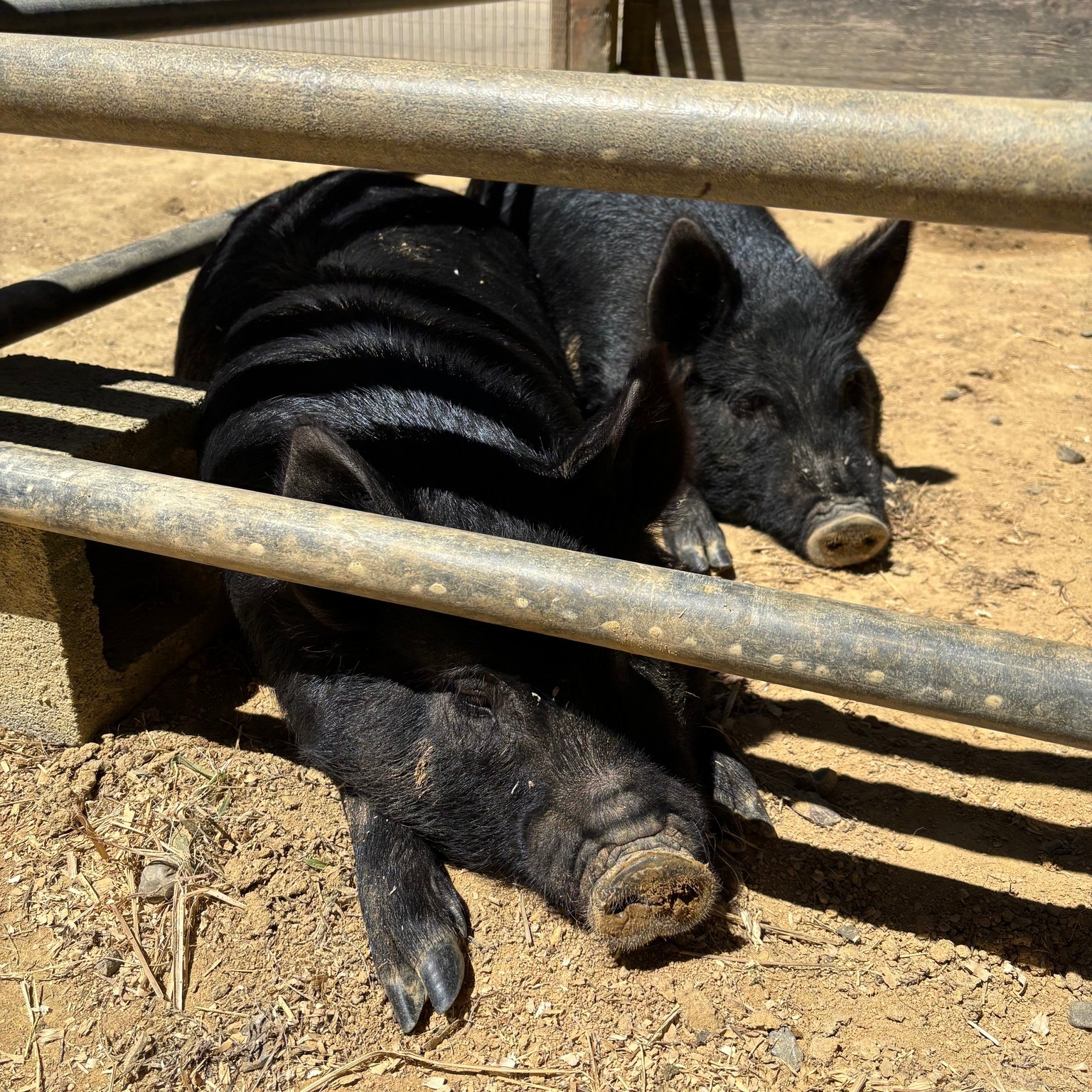
- The importance of sunny weather for animal welfare and conservation efforts.
- Characteristics and habits of American guinea hogs like Truffle and Porcini.
- The educational role of interactive barnyard experiences in zoos.
- Insight into zoo management practices for handling domestic animals.
- Conservation and educational goals of zoos in promoting biodiversity awareness.
Sunny Weather and Animal Welfare
Sunny weather is essential in the landscape of animal welfare, particularly in regions like Eureka. It plays a crucial role in the overall health and well-being of animals, offering a natural source of Vitamin D. The sun’s rays aid in calcium absorption, essential for strong bones and optimal functioning of the animal’s body. Beyond physical health, sunshine positively influences the mental well-being of animals by providing environmental enrichment. Animals like American guinea hogs, known for their love of lounging, thrive under sunny skies. These elements contribute significantly to animal husbandry practices, where creating an environment that mimics an animal’s natural habitat is vital. This attention to their physical and mental states fosters resilience and enhances their quality of life.
American Guinea Hogs: Truffle and Porcini
American guinea hogs are an integral part of any barnyard setting due to their fascinating traits and behaviors. Originating from the southeastern United States, these hogs are recognized for their compact size, friendly nature, and versatility. Recently, the revival of interest in heritage breeds has highlighted the value of these hogs. Truffle and Porcini, for instance, have become symbols of sustainability, demonstrating effective foraging abilities and a knack for cooperation in social groups. Their behavior, including their adeptness in lounging under the sun, highlights the importance of maintaining animal habitats that reflect their natural behaviors and promote their welfare.
At the zoo, Truffle and Porcini play an educational role. By showcasing their natural talents and behaviors, these hogs serve as ambassadors for heritage breed conservation. Observers can gain insight into the importance of preserving genetic diversity and guaranteeing the survival of such breeds in the long term. The interactive experience of meeting and greeting these hogs helps visitors create a connection and deepens their understanding of agricultural biodiversity.
Educational Role of Barnyard Experiences
A zoo’s barnyard is more than just a display of animals; it is an educational platform that encourages interactive learning. By offering meet and greets with domestic animals such as pigs, goats, sheep, mini horses, donkeys, and chickens, the zoo provides a dynamic educational experience. Visitors, especially children, can learn about animal behavior, diets, and care through hands-on interaction.
These engagements not only foster appreciation and respect for animal life but also bridge the gap between urban populations and agricultural communities. Such encounters are pivotal in teaching responsible stewardship of the environment and animal welfare. They help visitors understand the ecological significance of domestic animals and the role each species plays within their ecosystem.
Zoo Management Practices
Zoo management must navigate complexities in handling domestic animals and maintaining their welfare. Effective animal welfare practices are paramount, encompassing health monitoring, dietary management, and behavioral enrichment. Zoos like the one in Eureka provide designated barnyard hours and contact corral sessions, ensuring controlled, meaningful interactions between animals and visitors. This structured approach helps prevent stress and overexposure, maintaining a balance between educational value and animal comfort.
Regular veterinary check-ups, paired with enrichment programs, ensure that the animals remain active, healthy, and engaged. Behavioral enrichment, like providing space for foraging and lounging, allows animals to exhibit natural behavior. This not only improves their quality of life but also enhances their role as educational figures within the zoo.
Conservation and Educational Goals
Zoos play an essential role in conservation and education by promoting biodiversity awareness. They serve as stewards of global wildlife through breeding programs, research initiatives, and educational outreach. In the context of a barnyard setting, zoos emphasize the value of preserving heritage breeds and maintaining genetic diversity. This is crucial in the face of modern agricultural practices that favor commercial breeds over traditional varieties.
Educational programs and interactive experiences highlight the interconnectedness of all species and the critical nature of protecting our planet’s diverse ecosystems. They encourage proactive engagement in conservation efforts, fostering a sense of responsibility towards environmental stewardship. By sharing knowledge and raising awareness, zoos help instill a conservation ethic in visitors, inspiring them to act in ways that support biodiversity.
Overall, the synergy between sunny weather, animal welfare, and educational interactions forms a holistic understanding of zoology and conservation. By visiting the barnyard and participating in these enriching experiences, individuals can develop a deeper appreciation for the complexity and beauty of the natural world, and the importance of preserving it for future generations.
*****
Source Description
We all appreciate when the sunny weather finally reaches Eureka, but is it possible to lounge harder in the sun? American guinea hogs Truffle and Porcini are lounging professionals!
Swing by the Barnyard for a meet and greet with our domestic pigs, goats, sheep, mini horses, donkeys, and chickens.
Zoo’s Barnyard hours: 10am-4:30pm daily
Contact Corral: 11am-3pm daily
