
- The significance of senior anoas in conservation efforts.
- Spa days as enrichment activities for wildlife.
- The unique characteristics and lifestyle of the anoa.
- The role of caretakers and conservationists in animal welfare.
- The impact of public awareness and education on species preservation.
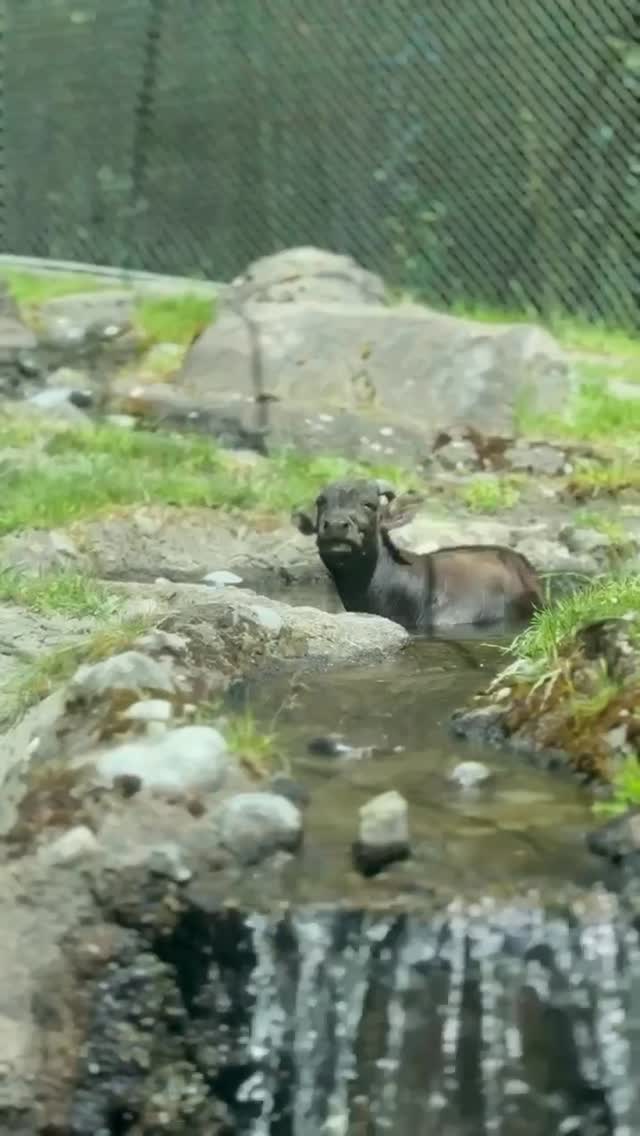
The super senior anoa named Baby Bean recently enjoyed a spa day under the warm sunshine, a splendid occasion that holds deeper significance within the conservation community. This article will explore the nuances surrounding senior anoas and their role in biodiversity efforts, the concept of enrichment activities like spa days, unique characteristics of the anoa, the vital role of wildlife caretakers, and the importance of public awareness centered on species preservation.
Baby Bean, a female anoa known for her serene demeanor, is a highlight at her habitat. As a super senior, she represents an age category that is exceedingly rare in her species, which enhances her value in conservation circles. Anoas are small, forest-dwelling relatives of buffalo native to Indonesia, with populations dwindling due to habitat loss and poaching. By featuring senior animals like Baby Bean in educational contexts, conservationists aim to shed light on the vulnerabilities faced by her species and the imperative need for concerted preservation efforts.
Spa days are not just luxurious treats; they serve as enrichment activities that simulate natural behaviors and promote physical and mental well-being. For captive animals, environmental enrichment is essential for maintaining psychological health, reducing stress, and encouraging natural behaviors. Baby Bean’s spa day involved activities such as mud baths, gentle grooming, and basking in the sun, offering a form of sensory stimulation. Such experiences alleviate the repetitive nature of captivity, giving her the freedom to exhibit instinctive behaviors and enhancing her quality of life.
While Baby Bean may seem like an individual case, her significance as a representative of her species provides an opportunity to discuss the anoa’s intriguing characteristics. Adult anoas resemble small, stocky cows, weighing between 300 to 600 pounds. Their thick, dark hair and low-set horns make them stand out in the dense forests of Sulawesi and nearby islands. They are herbivorous grazers, often seen munching on grasses and fruits native to the region. The anoa’s habitat, primarily tropical rainforests, is crucial for their survival, as it provides the resources they need for nourishment and shelter from predators. This ecological platform also emphasizes the interconnectedness of species and the importance of preserving their natural environments.
The role of caretakers and conservationists at wildlife facilities extends beyond mere management to involve an emotional investment in the animals’ welfare. Conservationists like Wendy, who looks after Baby Bean, prioritize the well-being of animals in their charge, designing schedules that incorporate various enrichment activities and medical care. The approach is holistic, considering both physical health and emotional well-being. By regularly engaging in activities that stimulate the anoas and provide joy, caregivers enhance the animals’ overall quality of life, even in captivity. It also fosters positive relationships between humans and animals, which is essential for successful conservation efforts. Through initiatives that include educational encounters, these relationships facilitate public understanding of the issues affecting endangered species.
While individual experiences like Baby Bean’s spa day captivate and inspire, they also have broader implications. Public awareness plays a significant role in wildlife conservation. Educational programs designed to inform audiences about the challenges faced by species like the anoa can spark interest in preservation. These efforts encourage people to advocate for wildlife, support conservation organizations, and even take part in ecotourism ventures aimed at protecting natural habitats. Initiatives that focus on educating the public also foster a culture of respect towards wildlife, leading to increased donations and volunteerism for organizations dedicated to species protection.
The decline of the anoa population warrants serious attention. Recent estimates suggest that fewer than 2,500 adult anoas remain in the wild, prompting urgent calls for action among conservationists. The principal threats to their existence include habitat loss due to logging and agriculture, hunting for bushmeat, and the encroachment of human settlements. Awareness and education campaigns have begun to generate a grassroots movement aimed at creating protected areas and enforcing conservation laws to safeguard their habitats.
Spa days like that of Baby Bean are not just enjoyable moments; they are vital touchpoints for fostering understanding regarding animal welfare and conservation. By making them part of educational outreach, caretakers can better articulate the challenges faced by endangered animals while demonstrating an effective method for caring for these beloved species. Baby Bean’s joyful experience in the sun underscores the importance of preserving natural habitats, where such creatures can thrive without interference.
Fostering relationships between animals like Baby Bean and the public is transformational. Animals serve as compelling ambassadors for their species, enabling knowledge transfer about ecological systems and the challenges threatening them. Such interactions often encourage people to participate in conservation activities, potentially becoming advocates themselves. In returning to the unique characteristics of the anoa, it’s crucial to remember that every single creature embodies a broader narrative about biodiversity’s significance.
Caring for senior animals also serves as a reminder of the lifespan and realities of an animal’s life cycle. As Baby Bean enjoys her spa day, she symbolizes the need for advocacy efforts that prioritize the needs of aging animals in the wild and in captivity. Special attention to the requirements of senior animals provides an opportunity to address educational messages concerning species diversity, habitat conservation, and humane care practices. By focusing on their well-being and highlighting their contributions to their ecosystem, we support not just their individual lives but the broader biodiversity that sustains our planet.
Baby Bean’s story, enhanced by her pleasurable spa day, can encourage greater investment in species conservation. As her tale gets circulated within educational contexts, it raises awareness of the plight of her fellow anoas, sparking discussions about habitat loss and wildlife protection strategies. Likewise, it emphasizes the intersection between animal welfare and conservation practices.
Providing a quality of life that approaches the natural state of an animal while still in captivity lays the groundwork for effective conservation education. Spa days like those enjoyed by Baby Bean, representing well-planned enrichment strategies, become part of the broader solution to preserving not only individual animals but their ecosystems as well. This highlights how conservation efforts require not only intervention but a deep understanding of the animals themselves and the intricate dynamics they are part of.
The thriving of Baby Bean and similar animals hinges on collective action and awareness of wildlife issues. Every encounter with animals like her deepens public understanding, bringing individuals closer to the cause of wildlife conservation. The joys and challenges of supervising senior anoas further echo the broader calls for comprehensive action to protect our planet’s rich biodiversity. Baby Bean’s spa day serves not only as a delightful event but as an imperative reminder of the responsibilities humans carry in safeguarding the future of such species.
*****
Source Description
Super senior anoa Baby Bean enjoying her well-deserved spa day in the sunshine! ☀️
📹: Conservation Curator Wendy
