
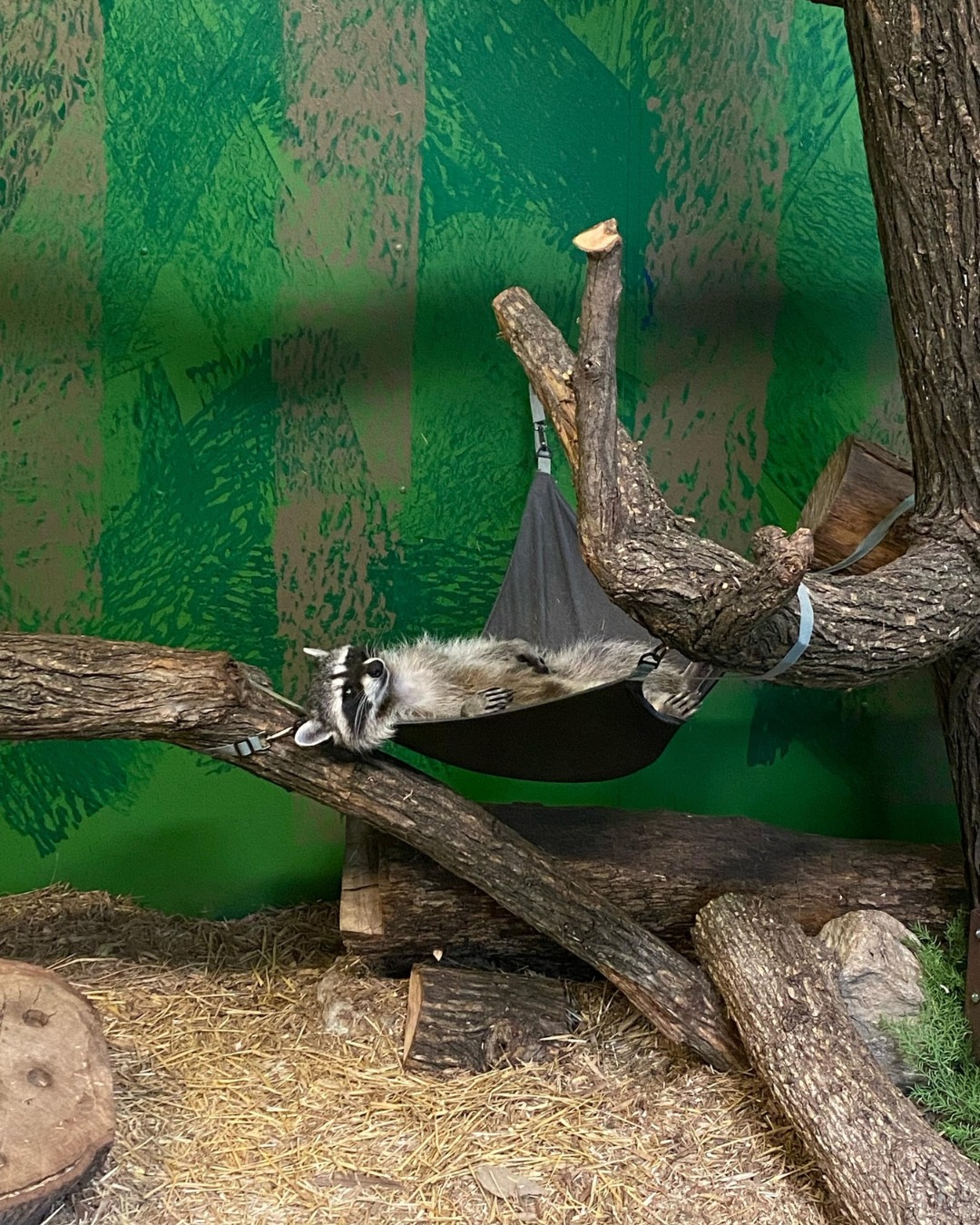
- The ecological importance of raccoons in their habitats
- Behavioral traits and social structure of raccoons
- Challenges faced by raccoons and wildlife management strategies
- The role of zoos in educating the public about wildlife conservation
- Insights from Lucy the raccoon: engaging stories that highlight species characteristics
Raccoons are more than just charismatic animals often seen rummaging through urban trash; they play a significant role in leading ecological processes. Their foraging habits contribute to seed dispersal, enhancing plant diversity. As omnivores, raccoons help regulate insect populations and decompose organic material, promoting healthier ecosystems. Their presence indicates a balanced environment, which is vital for maintaining the integrity of their natural habitats. Understanding their ecological functions is essential for wildlife conservation and effective management.
The behaviors exhibited by raccoons, such as their typical nocturnal lifestyle, are fascinating areas of study. Raccoons are incredibly adaptive creatures, known for their dexterity and problem-solving skills. Their forepaws feature flexible digits that allow them to manipulate objects effectively, demonstrating a level of intelligence comparable to that of primates. In social groups, raccoons establish complex hierarchies. Communication plays a crucial role in their interactions, utilizing a range of vocalizations, body language, and scent markings to convey messages. These social structures are essential for their survival, especially in urban environments where competition for resources is heightened.
Challenges abound for raccoons in both urban and natural settings. Habitat loss, largely due to human encroachment and urban development, poses a significant threat to their populations. Pollution is a significant problem, often leading to health issues in raccoons. Additionally, diseases such as canine distemper and raccoon roundworm can devastate populations. Wildlife management strategies that aim to mitigate these challenges include habitat preservation, public education initiatives, and regulated feeding programs. Collaborative efforts between environmental organizations and local governments can create sustainable solutions to protect raccoons and their environments.
Zoos have evolved from places of entertainment to vital centers for wildlife conservation, playing a pivotal role in educating the public about biodiversity and ecosystems. By providing habitats that mimic their natural environments, zoos can successfully exhibit animals like raccoons in a way that promotes understanding of their ecological roles. Educational programs in zoos serve to inform visitors about wildlife issues, including habitat destruction and the importance of conservation efforts. Engaging with animals such as Lucy the raccoon provides visitors with firsthand experiences that enhance educational content.
Lucy, the raccoon, serves as a fantastic ambassador for her species. Through her interactions with zoo guests, she showcases the remarkable qualities that make raccoons fascinating and integral to ecosystems. Lucy’s playful demeanor and curiosity illustrate the personality traits that make raccoons endearing to many. Sharing stories about her daily activities, personality quirks, and specific behaviors can help raise awareness about the species and inspire visitors to take action for wildlife conservation.
In conclusion, raccoons like Lucy are vital members of their ecosystems, contributing to ecological balance. Their behavioral traits provide insight into their social structures and adaptability. The ongoing challenges faced by raccoons necessitate proactive management strategies. In turn, the role of zoos as educational resources is invaluable in fostering a connection between the public and wildlife. Rising awareness can drive conservation efforts, ensuring that raccoons and their habitats are preserved for future generations. Engaging with and learning from individuals like Lucy can ultimately lead to a more profound understanding of and respect for all wildlife.
*****
Source Description
Mid-week mood with Lucy the raccoon! 🦝
