
- Overview of the Spring 2025 Seasonal Photo Contest and its importance in promoting wildlife photography and conservation.
- Profile of each animal featured in the contest, highlighting their behavior, habitat, and conservation status.
- The role of zoos in educating the public and fostering a connection to wildlife conservation.
- An exploration of how wildlife photography can raise awareness and inspire conservation efforts.
- The impact of public engagement through contests and social media on wildlife preservation initiatives.
The Spring 2025 Seasonal Photo Contest offers a unique platform to engage the public in wildlife photography and conservation. By voting for their favorite photos, participants connect with diverse animal species while contributing to a larger conversation about environmental stewardship. This contest not only spotlights skilled photographers but also elevates awareness of various species and ecosystems.
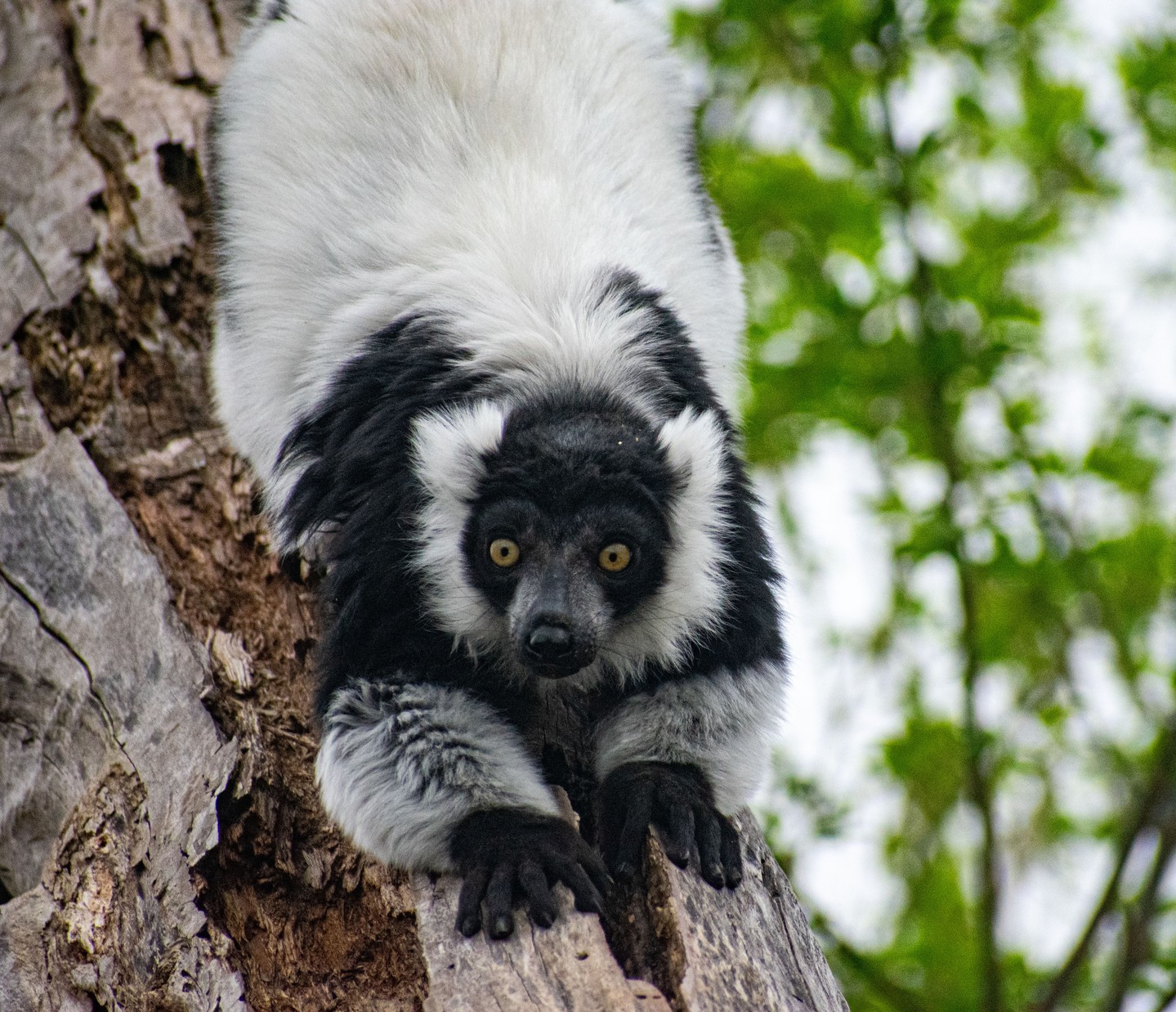
Black and white ruffed lemurs, for example, are fascinating creatures found in Madagascar. They exhibit striking contrasts that make them ideal subjects for photography. Known for their vocal nature and social behavior, black and white ruffed lemurs play a vital role in their ecosystem as seed dispersers. Unfortunately, habitat loss and hunting have put them at risk, emphasizing the need for conservation efforts supported by zoo programs worldwide.
The Andean bear, featured in the contest, is the only bear species native to South America. Its distinctive facial markings make it a charismatic subject. Andean bears inhabit diverse environments, from cloud forests to high-altitude grasslands. Their habitat is increasingly threatened by deforestation and agricultural expansion, underscoring the significance of conservation initiatives. Educational campaigns in zoos help the public understand and appreciate these bears, fostering support for conservation projects.
Meerkats are social mammals living in groups known as mobs in southern African deserts. Their cooperative behavior and vigilant stance make them favorites among photographers. Meerkats face challenges from habitat loss due to human activities. Zoos play a critical role in raising awareness about their plight and the importance of protecting their natural environments.
River otters, agile swimmers with playful personalities, are distributed across North America. They rely on clean water sources, making them indicators of healthy ecosystems. Unfortunately, pollution and habitat destruction pose threats to their survival. Captivating images of river otters can inspire individuals and prompt action to preserve aquatic habitats.
Golden lion tamarins are vibrant primates native to the Atlantic Forest of Brazil. Their striking appearance is hard to overlook, which is why they feature prominently in conservation photography. With only a fraction of their habitat remaining, golden lion tamarins need continued efforts to rehabilitate forests and implement breeding programs in zoos. Photography plays a vital role in maintaining public interest and funding for such projects.
The Indian muntjac, or barking deer, is a small, elusive ungulate often found in dense forests. While not as widely known as other species, it holds importance in ecological balance, controlling plant growth and serving as prey for larger predators. Educational displays in zoos help highlight lesser-known species like the muntjac, enhancing public knowledge and appreciation.
Komodo dragons, native to the Indonesian islands, are the world’s largest lizards. Their formidable presence on camera captivates audiences. As apex predators, they have an essential role in their ecosystems. Habitat encroachment and potential illegal trade threaten their populations, making the role of zoos in education and breeding crucial for their conservation.
Seahorses are extraordinary marine creatures known for their unique reproductive process, with males carrying and birthing young. Overfishing and habitat destruction are major threats. By featuring in competitions, seahorses gain much-needed attention that can lead to strengthened conservation measures, like sustainable fishing practices and marine protected areas.
Ducks serve as important components in wetland ecosystems. Their vibrant colors and behaviors make them exciting photography subjects. Habitat destruction due to urban expansion and climate change impacts many duck species. Conservation programs, often highlighted through photography, emphasize the need for wetland preservation and restoration.
Lastly, the red panda, with its distinct appearance and bamboo diet, survives in the temperate forests of the Himalayas. Human activities have fragmented and diminished their habitat, threatening their future. Zoos play a pivotal role in breeding and awareness programs, helping secure the future of these enchanting animals.
Zoos are vital institutions bridging the gap between the public and the natural world. They offer immersive experiences and educational programs that deepen understanding of wildlife and conservation. By showcasing animals like those in the contest, zoos foster connections that can translate into active support for preservation efforts.
Photographic contests stand as powerful tools for wildlife advocacy. They provide platforms for photographers to share stirring images that resonate emotionally with viewers. This can inspire action and funding for conservation. The communal aspect of voting encourages public interaction, further spreading crucial messages about environmental responsibility.
Social media intensifies the impact of such contests. Platforms allow for rapid dissemination of photographs and stories, reaching global audiences. This wide reach magnifies the influence of a single photograph, transforming individual appreciation into collective action. By flipping through images of endangered species, viewers become more aware of biodiversity challenges and the importance of conservation.
Public engagement in these contests leads to increased awareness and participation in wildlife conservation initiatives. By learning about the species featured, individuals are more likely to support and volunteer for conservation programs. This participation can have tangible benefits, aiding in habitat protection and restoration projects.
The Spring 2025 Seasonal Photo Contest presents a valuable opportunity to spotlight the wonders of our planet’s biodiversity. By voting, individuals not only celebrate artistic endeavors but also commit to being stewards of the natural world. It’s a reminder that our efforts, both big and small, are crucial in protecting the awe-inspiring creatures and ecosystems that enrich our lives.
*****
Source Description
The time has come! 📸 Help us vote for the winners of our Spring 2025 Seasonal Photo Contest. Please leave a COMMENT with the NUMBER of the photo you want to vote for (ex: Winners will be announced on Thursday, June 5.
Black and white ruffed lemur by Cassie Newkirk
Andean bear by Steven Fitzgerald
Meerkat by Gabriel Bagatell
River otter by Jacqueline Pilon
Golden lion tamarin by Julianna Coon
Muntjac by Hope Rock
Komodo dragon by Andrew Genung
Seahorses by Lily Correll
Ducks by Gina Fargnoli
Red panda by Matt Gebhart
