
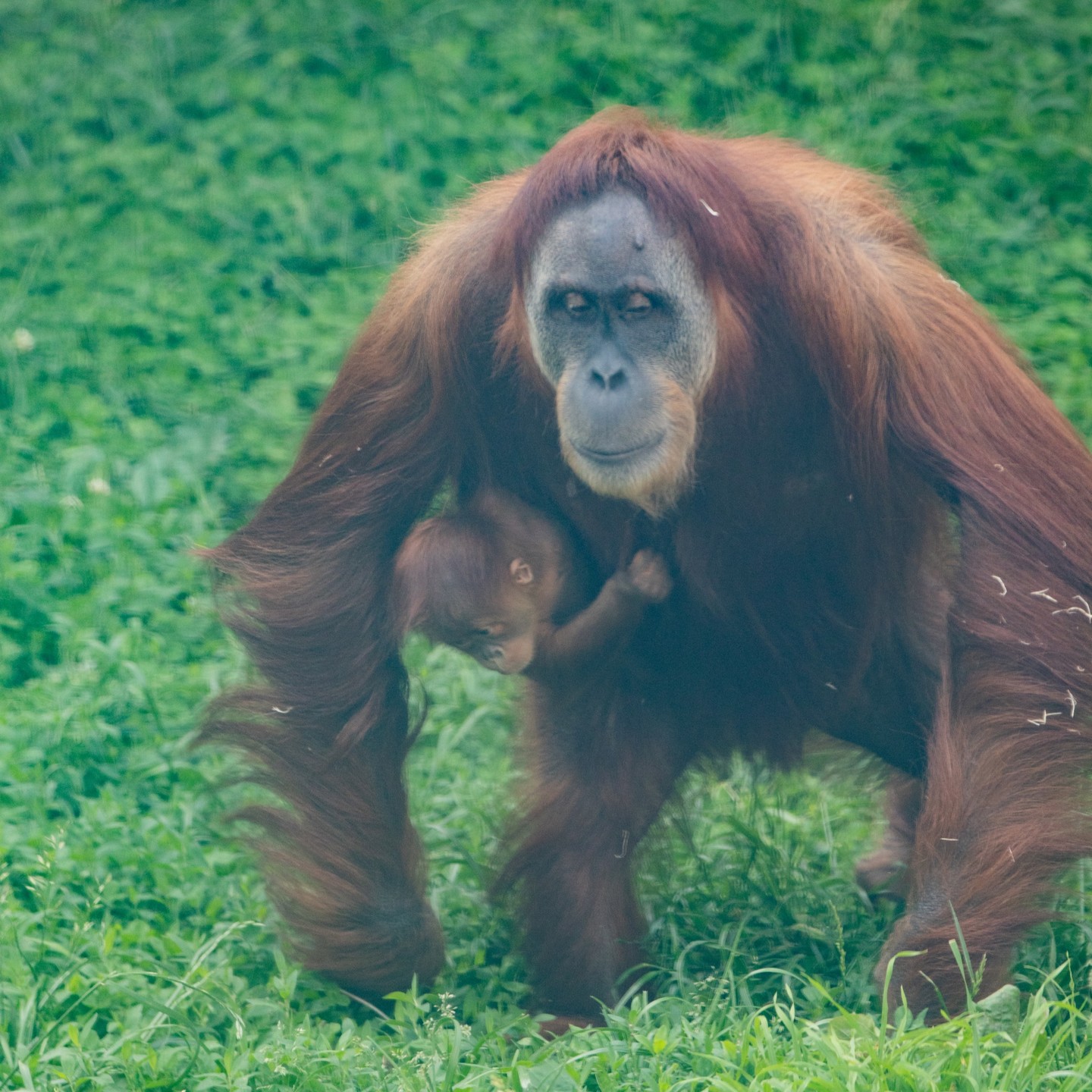
- Understanding Threatened Species Day and Its Significance
- The Role of Zoos in Conservation Efforts
- Importance of Biodiversity and Protecting Ecosystems
- How Individuals Can Contribute to Conservation
- Success Stories in Wildlife Conservation
Threatened Species Day, marked each year to raise awareness about the plight of endangered and threatened animals, serves as an important reminder of the impacts of human activity on biodiversity. As ecosystems worldwide face unprecedented pressure due to habitat destruction, climate change, and pollution, this day plays a vital role in educating the public on these pressing issues. Recognizing the significance of threatened species fosters a sense of responsibility and encourages community involvement in conservation efforts.
Zoos play an essential role in wildlife conservation. They not only provide a habitat for animals that can no longer survive in the wild but also serve as centers for education, research, and breeding programs aimed at endangered species. Public visits to zoos contribute significantly to funding these initiatives, allowing organizations to carry out vital conservation work both locally and globally. Educational programs at zoos raise awareness about the challenges many species face, allowing visitors to connect with and understand the importance of protecting wildlife.
Biodiversity is vital for the stability of ecosystems, and when species become threatened or extinct, the entire ecosystem suffers. Each species plays a distinct role; for instance, predators help control populations of herbivores, while plants provide oxygen and food for various organisms. The loss of even a single species can lead to a cascading effect that disrupts ecological balance. Protecting threatened species contributes to maintaining biodiversity, which in turn supports ecosystem services that humans rely on, such as clean air and water.
Individuals can make a difference in conservation efforts. Simple actions, such as supporting organizations focused on wildlife preservation, reducing waste, and spreading awareness about endangered species, help create a culture of conservation. Additionally, volunteering time or resources can significantly impact local wildlife initiatives. Small, consistent changes in personal behavior can collectively lead to more extensive environmental benefits.
Success stories in wildlife conservation showcase the impact of focused efforts. For example, the American bald eagle, once on the verge of extinction, has made a remarkable recovery thanks to conservation efforts, legal protection, and public awareness campaigns. Similarly, the reintroduction of the gray wolf in Yellowstone National Park not only revived the wolf population but also positively affected the wider ecosystem. These examples highlight the tangible benefits of conservation initiatives and reflect the importance of preserving threatened species.
One of the primary objectives of Threatened Species Day is to highlight the urgency of species survival. Numerous species are threatened or endangered today, some facing extinction within the next few years if no action is taken. The International Union for Conservation of Nature (IUCN) maintains the Red List of Threatened Species, identifying those at risk. Animals like the Amur leopard and the Javan rhinoceros are classified as critically endangered, underscoring the dire situations many species find themselves in.
The role of zoos in preserving biodiversity cannot be overstated. Modern zoos have transformed from mere attractions to vital conservation organizations. They participate in global breeding programs to maintain genetic diversity among endangered species, ensuring that these animals have a future. Zoos offer sanctuary for species whose habitats have been diminished or destroyed, providing care and protection. Moreover, they engage in research that enhances our understanding of these species. This research can guide field conservation efforts, focusing on how to best protect animals in their natural habitats.
Engaging educational programs help visitors understand why conservation matters. Zoos often host workshops, talks, and interactive exhibits focusing on the intricacies of ecosystems and the relationships between species. For instance, a program highlighting pollinators—bees, butterflies, and birds—can inform people about their essential roles in food production. Understanding these connections strengthens public awareness of biodiversity as critical to maintaining healthy ecosystems.
Individuals can contribute to conservation in several ways. Advocacy is powerful; supporting legislation that protects wildlife and habitats can lead to large-scale change. Additionally, ecologically responsible consumer choices can minimize harmful impacts on the environment. When someone chooses sustainably sourced products, they directly support practices that benefit wildlife. Incorporating more eco-friendly practices in everyday life, such as reducing plastic use and conserving water, contributes to the overall goal of conservation.
Educating others about threatened species is another powerful tool. By sharing information on social media or participating in community events, individuals can help spread the message about the importance of wildlife conservation. Raising awareness fosters a collective sense of responsibility for the health of the planet, inspiring others to take action.
Success stories in wildlife conservation shine a light on hope. Collaborative efforts between governments, NGOs, and local communities often lead to effective solutions. The story of the California condor exemplifies the successes that can arise from dedicated conservation initiatives. Once teetering on the brink of extinction with only 27 individuals remaining, extensive breeding programs and habitat protection have resulted in a population of over 400, showcasing the power of concerted conservation actions.
Marine conservation initiatives have also made significant strides. The establishment of marine protected areas has provided shelter for many vulnerable species. For instance, the successful recovery of the humpback whale population demonstrates the effectiveness of protections put in place. These efforts highlight not only the resilience of nature but also the possibilities for recovery when human actions are aligned with wildlife conservation objectives.
Furthermore, the use of technology has revolutionized conservation efforts. Tracking devices monitor the movements of endangered species, providing invaluable data that can guide protection strategies. Techniques like drone surveillance for habitat monitoring and camera traps to study behavior have improved our understanding of wildlife. This technological integration allows for adaptive management strategies that can respond effectively to changing conditions.
Threatened Species Day serves as a stark reminder of the challenges faced by many animals and ecosystems due to anthropogenic pressures. By raising awareness and inspiring action, this day calls upon individuals, communities, and organizations to take part in the fight for wildlife conservation.
The combined efforts of zoos, conservation nonprofits, individuals, and governmental organizations are vital to creating a sustainable future for threatened species. Informed and engaged public participation is crucial to this cause. Protecting wildlife is not just a matter of preserving animals; it is about safeguarding the intricate web of life that sustains us all.
As we reflect on the importance of this day, it is imperative not to overlook the critical actions we can take each day. Learning more, spreading awareness, and supporting conservation efforts all contribute to a larger movement aimed at protecting threatened species. Embracing this responsibility fosters an ethic of stewardship, allowing future generations to benefit from the richness of our planet’s biodiversity.
Every visit to the Zoo is not simply an outing; it actively supports conservation work necessary for the survival of species at risk. Such involvement illustrates a commitment to protecting nature and instills a sense of hope for the future of wildlife. Together, through education and action, we can strive towards a world where all species can thrive.
*****
Source Description
Today is Threatened Species Day…
Every visit to the Zoo helps support conservation for animals around the world, giving you the chance to join our mission to protect nature and inspire people to care for our world.
