
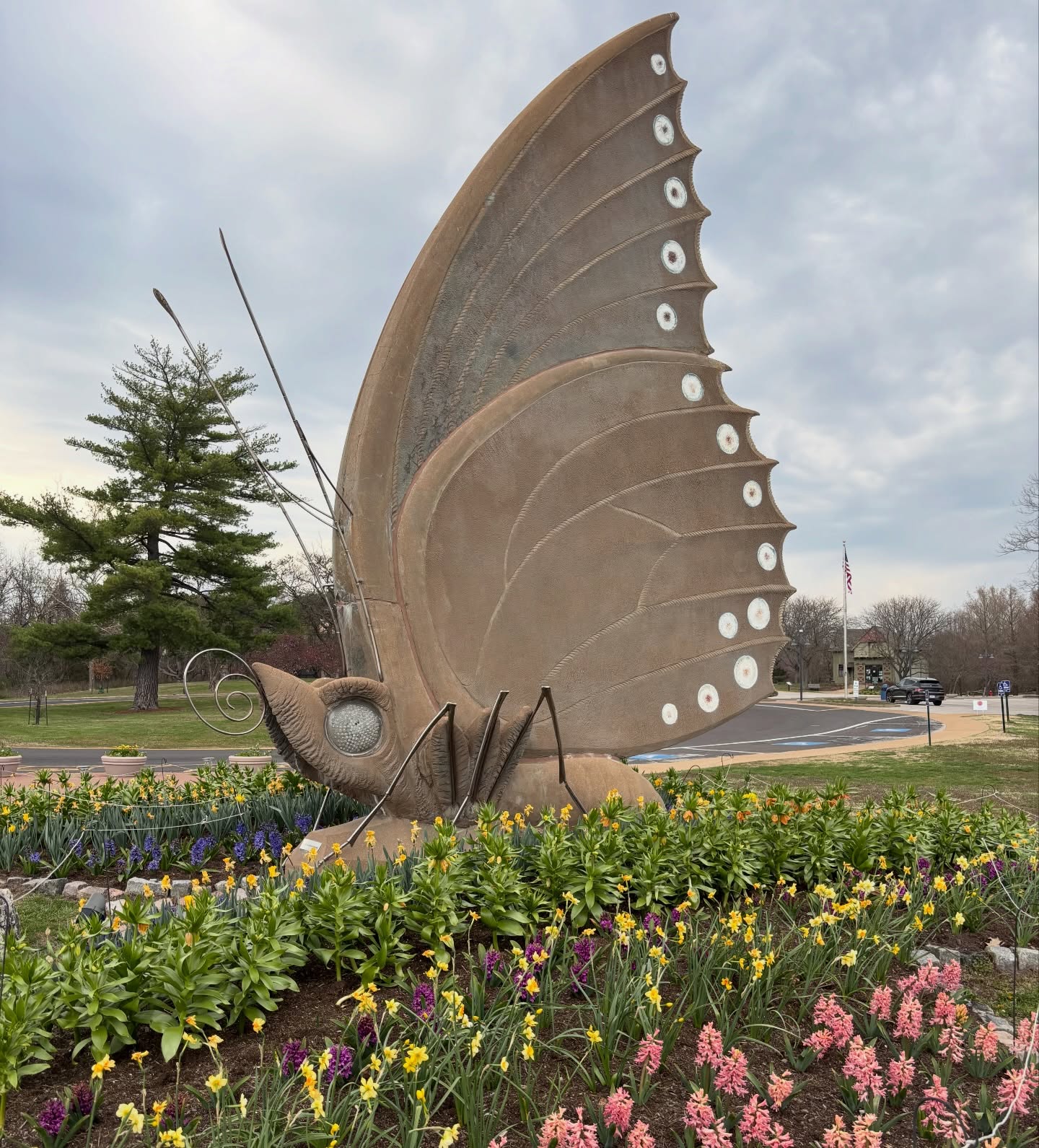
- Understanding the ecological role of butterflies and their habitats
- The challenges faced by butterfly populations globally
- Strategies for effective conservation and habitat management
- The significance of butterflies in educational programs and community engagement
- The role of zoos in butterfly conservation efforts
Butterflies serve as both pollinators and indicators of ecosystem health. Their presence reflects the diversity and stability of the habitats they inhabit. As part of the Lepidoptera order, butterflies contribute significantly to ecological functions. They help in the pollination of various plants, benefiting forests, gardens, and agricultural crops. Different species of butterflies thrive in distinct ecosystems, including meadows, forests, and wetlands. Understanding their ecological role involves appreciating their life cycle, which consists of the egg, larva (caterpillar), pupa (chrysalis), and adult stages. Each stage is sensitive to environmental changes, emphasizing the need to protect their habitats.
Butterfly populations are experiencing alarming declines across the globe. Threats such as habitat destruction, climate change, and pesticide use have all contributed to their dwindling numbers. Urbanization leads to the loss of native plant species that provide food for both caterpillars and adult butterflies. Additionally, climate change alters temperature and precipitation patterns, affecting their migratory and breeding behaviors. Pesticides, especially neonicotinoids, have been shown to disrupt the life stages of butterflies, leading to population decreases. Tracking these trends is essential for understanding the long-term implications for biodiversity and ecosystem stability.
Conservation strategies play a crucial role in counteracting the threats faced by butterfly populations. Habitat restoration is one approach that involves reintroducing native plant species necessary for the survival of local butterflies. Establishing butterfly gardens or refuges in urban areas can provide safe havens for various species. Involving local communities in habitat management fosters a sense of stewardship. Educational programs can equip individuals with knowledge about the importance of butterflies and their ecosystems. Collaborative efforts across multiple agencies can help develop policies that promote the protection of butterfly habitats on a larger scale.
Butterflies function as excellent tools for educational outreach in conservation efforts. They can capture the attention of both children and adults, sparking interest in environmental stewardship. Educational programs can facilitate understanding among communities about the intricate relationships within ecosystems. By incorporating hands-on activities, such as butterfly releases or habitat restoration projects, participants can engage directly with the process of conservation. Zoos often capitalize on this educational potential by showcasing butterfly exhibits that highlight their natural behaviors and life cycles, thus fostering a greater appreciation of wildlife.
Zoos play a pivotal role in butterfly conservation, often serving as both educational centers and breeding facilities. In particular, butterfly conservation programs often include breeding initiatives for endangered species. Zoos have the capacity to house species that may be at risk of extinction in their natural habitats. Through breeding programs, zoos can maintain genetic diversity and possibly reintroduce butterflies back into the wild. Additionally, zoos often collaborate with conservation organizations and researchers to gather data on butterfly populations and status assessments. This scientific approach aids in developing actionable conservation and management strategies.
The ecological role of butterflies can be seen throughout various ecosystems where they interact with both flora and fauna. They are crucial pollinators, aiding in plant reproduction and thus contributing to the overall health of ecosystems. By transferring pollen from male to female flowers, butterflies enhance genetic diversity, promoting robust plant populations. Additionally, many caterpillar species serve as food sources for various birds and other predators. This interconnectedness highlights the importance of maintaining healthy butterfly populations to sustain animal communities that rely on them.
Threats to butterfly populations are numerous and often interconnected. One of the most pressing issues is habitat loss, fueled by urbanization and agricultural practices. Deforestation for agriculture reduces the availability of natural habitats where butterflies thrive. Climate change exacerbates these threats by altering habitats and affecting food availability. Changes in temperature and precipitation patterns may disrupt the timing of flowering plants, reducing host availability for caterpillars. As nutritional resources diminish, both caterpillars and adult butterflies face challenges that could lead to population declines.
To combat these issues, effective conservation strategies must incorporate knowledge from various fields. Habitat restoration is critical for creating environments where butterflies can thrive. This involves not only replanting native flora but also creating landscapes that mimic local ecosystems. Simple actions, like providing nectar plants for adult butterflies and host plants for caterpillars, can significantly enhance local biodiversity. Community involvement is equally important. Engaging local residents in conservation efforts can foster a culture of care and awareness that benefits both people and wildlife.
The importance of educational outreach cannot be overstated. Butterflies serve as symbolic ambassadors for conservation efforts, enticing people of all ages to learn about ecosystems. Schools and community organizations can implement programs that focus on butterflies to raise awareness about environmental issues. Workshops that engage participants in habitat restoration projects provide opportunities to learn practical skills while contributing positively to local biodiversity. Such programs often instill a sense of responsibility toward conservation, especially among young individuals, who can carry this knowledge into the future.
Zoos often present an opportunity to showcase butterflies in engaging ways. Their exhibits can include a range of species, revealing the diversity within butterfly families. Through these displays, visitors can learn about butterflies’ vital ecological roles, their life cycles, and the threats they face. Educational signage and guided tours enhance the learning experience and connect audiences with the logic of conservation efforts. By showcasing successful breeding programs, zoos can demonstrate how science and conservation intersect in positive ways.
Collaboration between zoos, conservation groups, and researchers holds immense potential for advancing butterfly conservation. By pooling resources and expertise, these agencies can develop and implement more comprehensive conservation strategies. Research often aids in identifying effective practices that can be replicated in other regions. For instance, monitoring populations in different habitats can yield insights into successful restoration techniques. The data collected can contribute to creating guidelines and policies that ensure the long-term health of butterfly populations.
For the conservation of butterfly populations to be effective, it is paramount to acknowledge their importance at multiple levels. By recognizing their role as pollinators and indicators of ecosystem health, we can better understand the interconnectedness of wildlife and the environments they inhabit. Strategic conservation efforts, coupled with educational outreach, can instill a deep appreciation for butterflies, transforming them into advocates for broader environmental issues. Promoting awareness through zoos and community initiatives not only increases knowledge but fosters a collective sense of responsibility toward preserving the delicate balance of our ecosystems.
Ultimately, the plight of butterfly populations invites both challenges and opportunities for conservation. Through thoughtful management and public engagement, there is potential for positive change. By prioritizing habitat protection, community involvement in conservation efforts, and educational outreach, a brighter future for butterflies may be within reach. The interconnected web of life benefits when we focus on protecting these remarkable pollinators and the ecosystems they represent.
*****
Source Description
🩷 🦋 💛
