
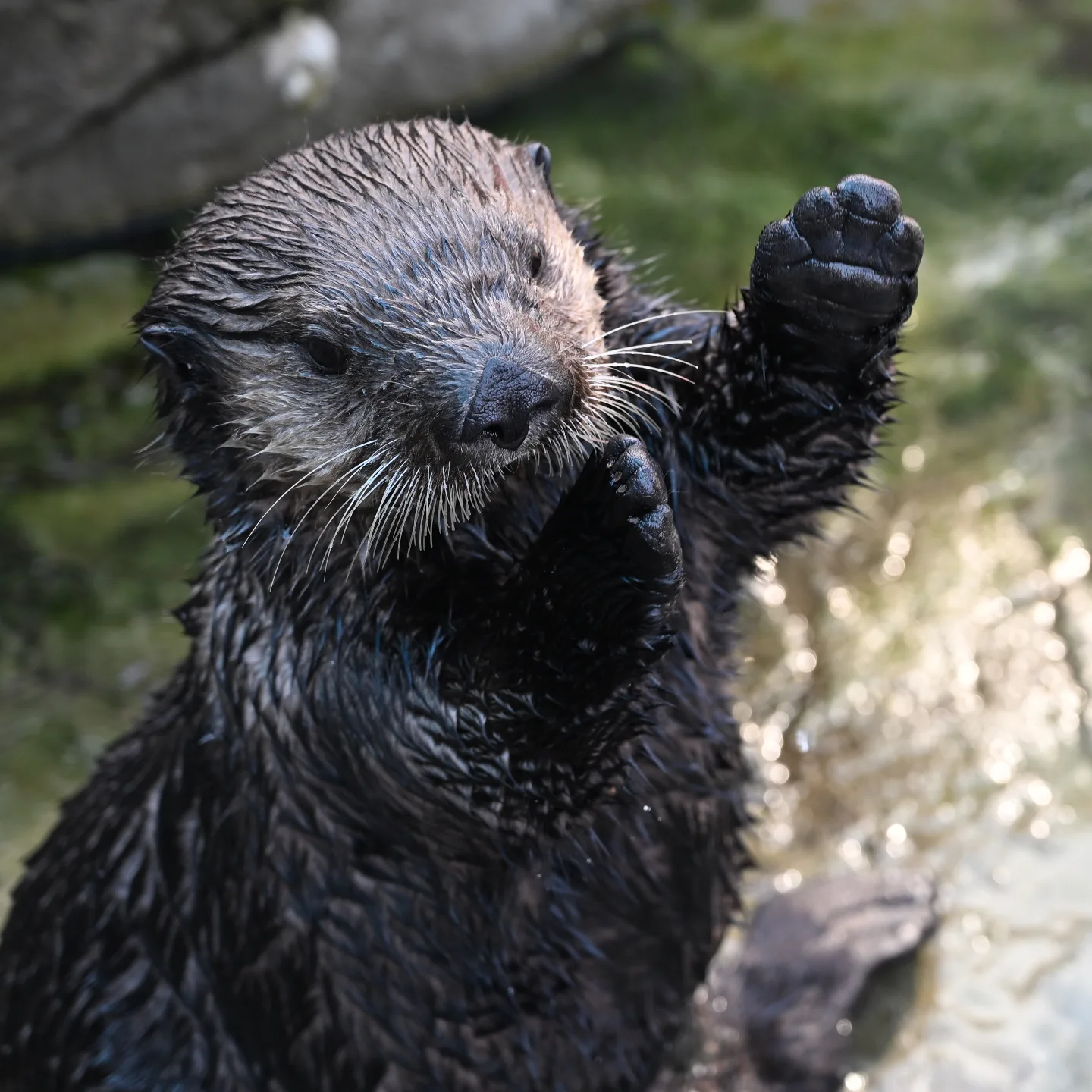
- The role of zoos in wildlife conservation and education
- Importance of sustainable zoo management practices
- Challenges faced by modern zoos in animal care and public engagement
- The impact of habitat loss on species conservation
- Future directions in zoology and zoo management
The role of zoos in wildlife conservation and education extends beyond mere entertainment. Modern zoos have transformed into vital centers for conservation efforts, education, and research. Historically, zoos were associated with simply showcasing animals. However, today’s institutions aim to promote understanding of biodiversity and the ecological challenges that affect wildlife on a global scale. Zoos actively participate in breeding programs for endangered species, helping to bolster populations that face critical threats in their natural habitats. For example, the successful breeding of species like the California condor and the Arabian oryx in captivity has led to reintroduction efforts that have positively influenced their wild populations.
Zoos also serve an educational purpose. They create programs and interactive exhibits to teach visitors about the importance of conservation. Such initiatives are imperative in fostering public acknowledgment of environmental issues like habitat destruction, poaching, and climate change. Informative signage, interactive displays, and keeper talks help bridge the gap between the animals on display and the ecological realities they face. Additionally, research in zoos contributes to scientific knowledge, which helps inform conservation strategies in the wild. For instance, studying animal behavior and genetics in a controlled environment allows scientists to better understand species needs, reproductive behaviors, and social structures.
The importance of sustainable zoo management practices cannot be overstated. Effective zoo management involves not only the welfare of the resident animals but also the larger ecosystem. Sustainable practices encompass a range of activities, from energy-efficient building designs to sourcing food locally to reduce carbon footprints. It’s essential for zoos to operate with a conservation mindset that extends beyond their enclosures. Facilities are increasingly adopting practices such as composting waste and using renewable energy sources. These efforts contribute to wider ecological goals, aligning with a growing understanding of a zoo’s impact on the environment.
Furthermore, animal welfare standards within zoos are becoming more advanced. The Animal Welfare Act sets minimum standards for the care of animals in captivity, but many leading institutions aim to exceed these basic requirements. Enrichment programs are implemented to improve the psychological and physical health of animals. For example, providing animals with a variety of stimuli encourages natural behaviors, diminishing the risk of behavioral issues that can arise from boredom or confinement. Behavioral enrichment methods can include puzzle feeders, social interactions, and varied habitats, all of which promote a more active lifestyle for the animals.
The challenges faced by modern zoos are multifaceted. One significant obstacle is public perception. Some individuals view zoos as outdated or unethical. Addressing these concerns is vital for future support and funding. Zoos often face the task of educating the public on the positive roles they play in conservation and research, sometimes having to counteract preconceived notions based on sensationalized media. Another challenge involves resource allocation. Funding for zoos can fluctuate dramatically, impacting their ability to maintain high standards of care and conservation efforts. Balancing budget constraints with the needs of animal populations and educational programs requires careful planning.
Additionally, modern zoos must contend with habitat loss, which poses one of the most pressing threats to biodiversity and species survival. Deforestation, urbanization, and climate change are increasingly encroaching upon wildlife habitats, making it critical for zoos to take proactive measures. Collaborative efforts with global partnerships aim to restore natural habitats and engage local communities in conservation initiatives. Zoos often work to develop educational programs that emphasize the need for ecosystems that benefit both wildlife and human populations. Fostering these relationships can lead to sustainable approaches to land use and conservation.
The impact of habitat loss on species conservation is profound, and zoos are becoming more involved in addressing this issue. The habitat destruction of species like the orangutan and snow leopard has led to drastic declines in their populations. Zoos are taking measures not only to provide sanctuary for endangered species within their facilities but also to advocate for wildlife protection legislation and habitat restoration projects. Engaging the public through awareness campaigns and community outreach programs emphasizes the need to protect natural ecosystems.
Research also plays an essential role in the future of zoology and zoo management. Innovations such as genetic studies help shed light on the health of populations in both captivity and the wild. For instance, genetic mapping of critically endangered species can assist in breeding programs designed to enhance genetic diversity. Monitoring the health and behavior of animals in captivity can also provide valuable insights that inform conservation strategies in their native habitats.
In addition to genetic research, zoo-led conservation programs often extend into areas like behavior studies and veterinary care. The use of advanced veterinary practices ensures that animal health is prioritized. Utilizing preventative care methods helps identify issues before they escalate, supporting the overall well-being of the zoo’s inhabitants. Training programs that involve positive reinforcement have opened new avenues for veterinary interactions, making procedures less stressful for both animals and care staff.
Future directions in zoo management are likely to incorporate technology, enhancing visitor experiences and improving animal welfare. Virtual reality and augmented reality can help immerse visitors in ecosystems that highlight conservation strategies. Moreover, technological advancements offer tools for monitoring animal health and behavior more accurately. Remote cameras, automated feeding systems, and health tracking devices are just a few examples of technology being explored within zoological settings.
As society continues to grapple with environmental challenges, the role of zoos in wildlife conservation becomes increasingly significant. Their dual mandate of education and sustainability requires ongoing adaptation and innovation. By fostering connections between wildlife and the public, zoos can cultivate a deeper appreciation for biodiversity and a commitment to environmental stewardship.
Furthermore, zoos have started to position themselves as integral hubs in broader environmental initiatives. Collaboration with governmental organizations and NGOs can amplify conservation efforts on a larger scale. These partnerships can lead to enhanced funding for field projects, habitat restoration, and wildlife corridors that bridge fragmented ecosystems. Engaging local communities in these conservation endeavors tends to result in lasting benefits for wildlife and human populations.
Public engagement initiatives play a crucial role in enhancing the impact of zoo efforts. Many zoos organize field trips, community events, and conservation training sessions to nurture connections between visitors and wildlife. These activities encourage stewardship, prompting individuals to support conservation outside zoo walls. By illuminating the interconnectedness of human actions and wildlife outcomes, zoos aim to inspire proactive attitudes towards the environment.
As the global community continues to contend with ecological pressures, zoos face the pressing task of evolving their models and practices. They are pivotal players in conservation, education, and research. Their comprehensive approach to animal care integrates the principles of sustainability, advanced research, and public outreach.
The integration of advanced methodologies not only bolsters the animals in their care but also primes the next generation for a future that prioritizes environmental well-being. Active participation in conservation initiatives, both on-site and in collaboration with external partners, signifies a critical shift in the operational ethos of zoos.
A commitment to continual improvement positions zoos well to face the challenges ahead. Whether through innovative educational practices, habitat restoration projects, or advanced animal care techniques, the path ahead for zoos promises to be both impactful and transformative.
This commitment emphasizes the importance of zoos as institutions dedicated to wildlife conservation, botanical preservation, and ecological education. Engaging the public through decisive action will remain paramount as society presses to address pressing environmental issues. The positive influence of modern zoos can usher in a future where biodiversity is cherished, thereby cultivating lasting global stewardship.
*****
Source Description
up top✋
