
- Overview of the Lowcountry’s climate and its impact on local wildlife.
- Characteristics and adaptations of the American bullfrog.
- The importance of habitats like the Coastal Plain gallery.
- Conservation efforts for amphibians and broader environmental stewardship.
- The role of zoos in education and conservation.
The Lowcountry, known for its lush marshes and sprawling wetlands, experiences a distinctive climate that plays a crucial role in shaping its rich biodiversity. This region, particularly during a long, rainy week, becomes a thriving playground for a variety of wildlife, including amphibians like the American bullfrog. Rainy periods in the Lowcountry invigorate ecosystems, replenishing water sources and creating temporary pools that serve as breeding grounds for countless species.
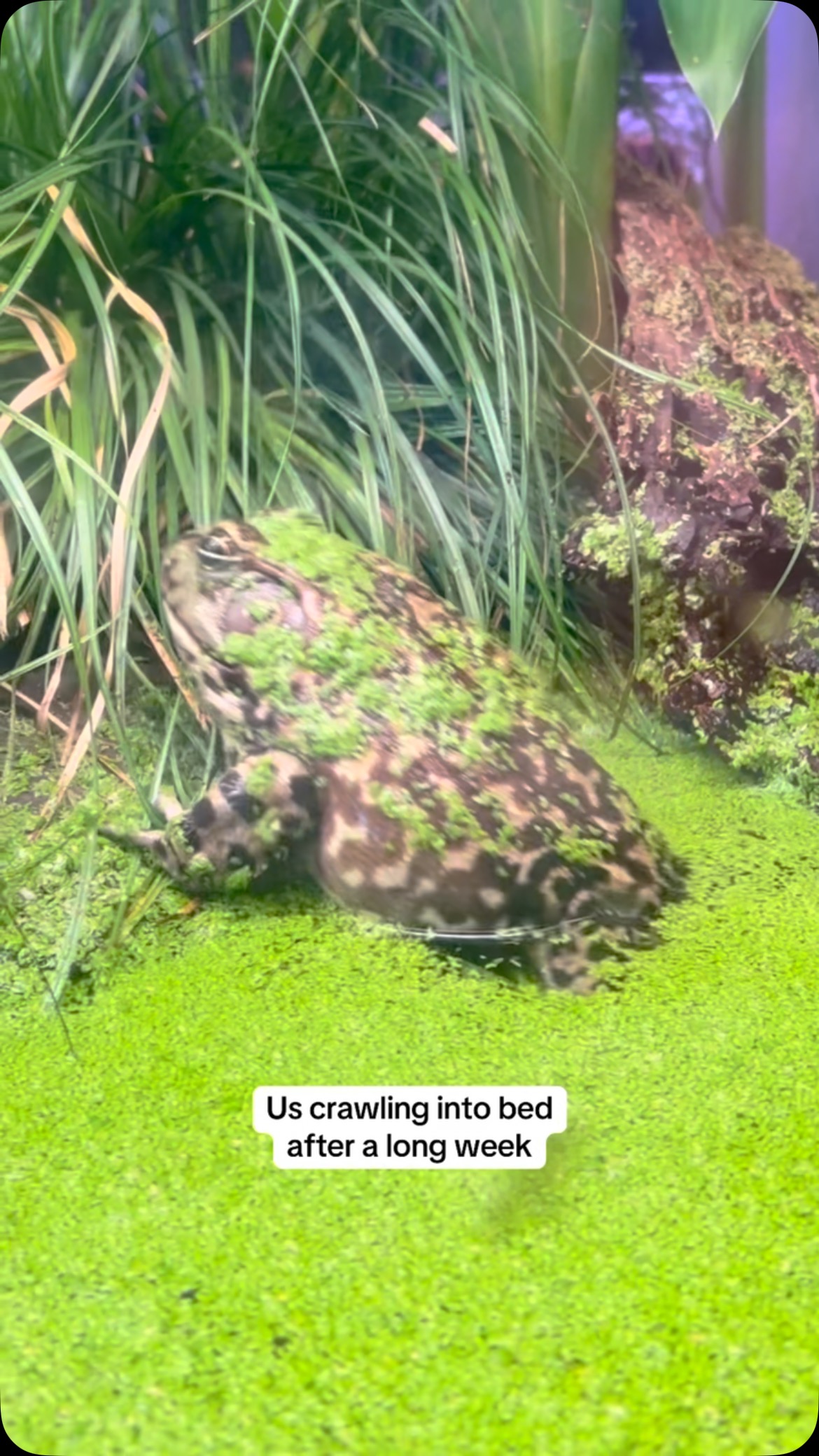
The American bullfrog, a prominent resident of the Lowcountry, demonstrates remarkable adaptability to its environment. This species, familiar to many due to its distinctive croak, boasts several adaptations that allow it to thrive in varied habitats. One of its most notable skills is camouflage. The bullfrog’s green and brown skin blends seamlessly with the foliage and murky waters of the Coastal Plain gallery, providing effective concealment from predators. This camouflage, coupled with a robust body and powerful legs, makes the bullfrog a formidable hunter of insects, small fish, and even other amphibians.
The Coastal Plain gallery itself is a vital habitat for the American bullfrog and numerous other species. This ecosystem, characterized by its rich, diverse flora and fauna, serves as a sanctuary offering food, shelter, and breeding grounds. The interconnectedness of the ecosystem ensures that even a slight change can have a significant impact on numerous species, emphasizing the importance of preserving such environments.
Efforts in wildlife conservation highlight the critical need to protect amphibian populations like the bullfrog. Amphibians are particularly vulnerable due to their permeable skin and dependence on aquatic environments, making them sensitive indicators of ecological health. Conservation strategies often include habitat preservation, pollution control, and public education. Zoos play a pivotal role in these initiatives by raising awareness and providing research platforms for further understanding of these creatures.
Zoos serve an educational purpose by engaging the public and fostering a connection between humans and the animal kingdom. The display of animals like Humphrey, the American bullfrog, in their naturalistic exhibits helps visitors appreciate the complexities and wonders of these creatures. Through programs and interactive sessions, zoos inspire visitors to participate in conservation efforts actively.
The Lowcountry’s climate, with its seasonal rains, drastically influences the living conditions and behaviors of species like the American bullfrog. Understanding these dynamics aids in fostering a deeper appreciation of the intricate balance within natural habitats. Preserving these environments through conservation efforts and educational outreach is essential for maintaining biodiversity and promoting a healthy ecosystem.
In promoting awareness and involvement, zoos invite communities to learn about and protect the species that share our world. The reminder to “crawl back out this weekend” and spot an American bullfrog underscores the joy and importance of engaging with nature responsibly. Through these interactions, people become stewards of the environment, advocating for the protection and sustainability of diverse ecosystems.
*****
Source Description
☔️ It’s been a long, rainy week here in the Lowcountry, but you made it to Friday. Humphrey, too, is ready to hide away in his freshwater habitat!
This American bullfrog is an expert at camouflaging within the Coastal Plain gallery 🐸 Crawl back out this weekend and see if you can spot him!
.
.
.
