
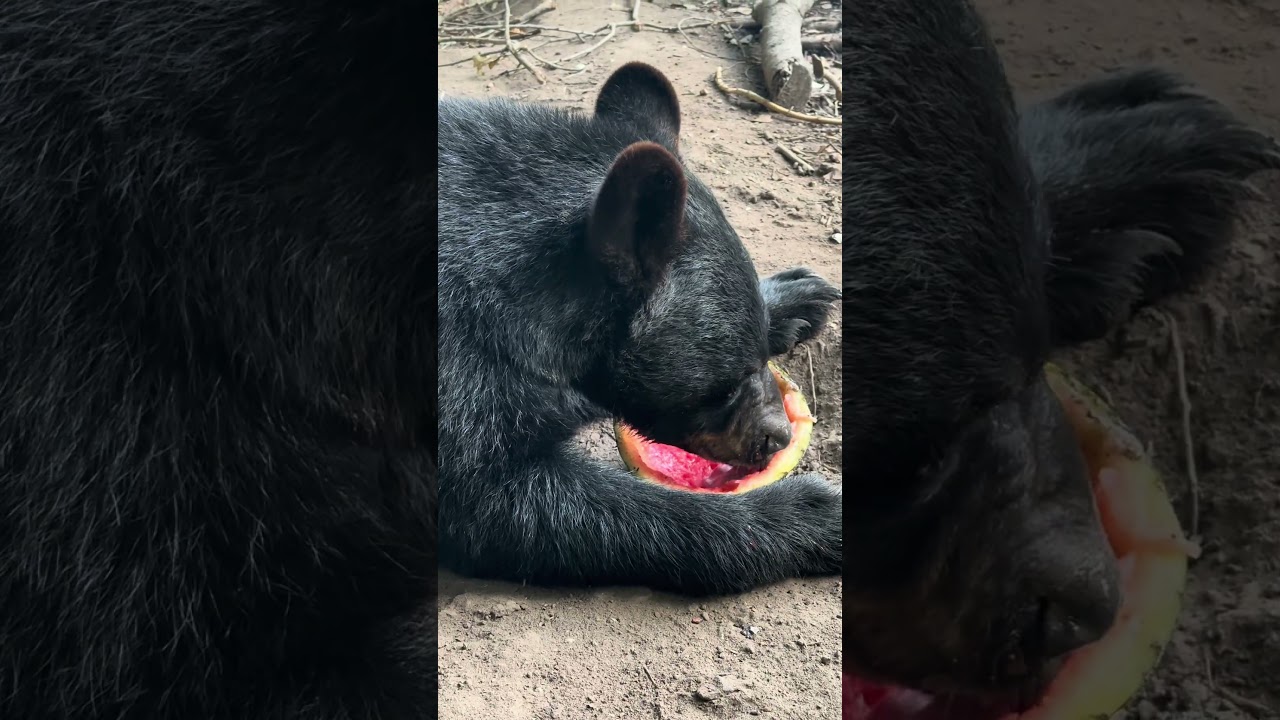
- Overview of bear species and diet in captivity
- Nutritional benefits of watermelons for bears
- Enrichment activities and food as a form of stimulation
- Importance of conservation and ethical treatment in zoos
- Insights into bear behavior and social structures
Bears are captivating creatures, representing various species that thrive in diverse habitats across the globe. These magnificent animals are known for their distinct foraging habits and even temperaments when it comes to their care in captivity. Zoo animals, particularly bears like Sassafras, Spider, and Sakari, often receive carefully curated diets, which include treats like watermelons. Understanding their dietary needs and behaviors offers important lessons about their care and well-being.
In zoos, the species-specific dietary requirements of bears are significant. Bears are omnivores and have versatile diets in the wild, consisting of fruits, nuts, fish, and vegetation. Each bear species exhibits its own preferences and adaptations. For example, the American black bear often consumes berries, while the polar bear’s diet consists primarily of marine mammals. In captivity, however, these varied diets can be complemented with specially formulated pellets, fresh produce, and items like watermelon to provide nutritional balance and satisfaction.
Watermelons serve as an excellent enrichment tool. Rich in water and low in calories, this juicy fruit provides hydration while appealing to bears’ natural foraging instincts. The bright color and refreshing taste attract bears, promoting active engagement. Behavioral enrichment plays a crucial role in enhancing the overall quality of life for animals in captivity. Engaging in natural behaviors helps reduce stress and promotes physical health. By offering watermelon, caretakers can stimulate the bears both physically and mentally, as they engage with the treat.
The nutritional benefits of watermelon are multifaceted. This fruit is composed of over 90% water, making it an ideal hydrating snack for bears, especially during warmer months or after physical activities. Watermelon also contains vitamins A and C, as well as a number of antioxidants, which are vital for immune function and overall health. In a controlled setting like a zoo, offering such nutritious snacks ensures that the bears receive essential vitamins and minerals that might be limited in other parts of their diet.
In addition to nutrition, food plays a significant role in behavioral enrichment. Caregivers use food not just for sustenance, but also for stimulation. Offering watermelon involves techniques such as scattering pieces around the habitat or hiding them in puzzle feeders, encouraging the bears to search and problem-solve. This form of engagement mimics the natural foraging behaviors of wild bears, allowing Sassafras, Spider, and Sakari to exercise their exploratory instincts. These activities combat boredom and foster a more dynamic environment, which is essential for their psychological well-being.
The ethical treatment of bears in zoos extends to how they are fed and cared for. Many modern zoos emphasize conservation and preservation. They aim to mimic natural habitats and behaviors as closely as possible, providing enriching experiences for animals. Responsible zoos take great care to ensure that animals are not only well-fed but also have the opportunity to engage in natural behaviors. This commitment to ethical animal care leads to more credible conservation messages for visitors, helping to raise awareness about native bear populations and the challenges they face in the wild.
Wildlife conservation is intricately connected to our understanding of species like bears. Captive breeding programs and education initiatives play a vital role in promoting awareness about endangered species. By educating the public about the ecological importance of bears, zoos inspire the community to advocate for their protection. Furthermore, organizations work to protect natural habitats, ensuring the survival of bear populations worldwide. The more informed the public is about these issues, the more potential there is for positive change in conservation efforts.
Bear behavior is also profoundly affected by social dynamics. In the wild, many species exhibit different social structures. For instance, polar bears are generally solitary, whereas grizzly bears may have more communal interactions. Understanding these behaviors can inform how bears are housed in zoos. For instance, some caretakers encourage compatible pairings or groups, allowing them to display their natural behaviors while minimizing stress. This attention to behavioral ecology enhances their quality of life and ensures better well-being.
Sassafras, Spider, and Sakari showcase a range of behavioral expressions while enjoying their watermelon treats. While one might exuberantly dive into a piece of fruit, another might exhibit more playful strategies, batting it around or using paws to explore it before consumption. These interactions exemplify both individual personality traits and species characteristics. Observing these behaviors allows zookeepers to better understand their social hierarchies and preferences, informing long-term care and habitat design.
Nutritional strategies in animal care also rely heavily on research and observation. Zookeepers monitor bear weight, activity levels, and general health to tailor diets effectively. Collaboration with veterinarians ensures that dietary adjustments are made based on medical needs, seasonal changes, and behaviors. A thoughtful approach to feeding can mitigate health issues and promote lifelong vitality for these magnificent creatures.
Ultimately, the efforts made in zoos to promote bear welfare reflect broader conservation goals. Highlighting species like the American black bear, Asian black bear, or polar bear can engage public interest and foster a sense of responsibility. By sharing insights about their lives, eating habits, and habitats, zoos serve as educational platforms, teaching visitors about environmental stewardship. These efforts not only create a memorable experience but also instill a deeper understanding and respect for wildlife.
The celebration of delicious snacks like watermelons illustrates pivotal strategies in zoo management aimed at heightening animal welfare. The availability of such treats fosters psychological engagement and physical health among bears. Sassafras, Spider, and Sakari provide firsthand accounts of the joys and natural instincts exhibited by zoo bears. Observing these interactions deepens appreciation for wildlife and underscores the need for ongoing conservation initiatives.
Food and enrichment are foundational elements of successful bear management in zoos. Watermelon serves a specific purpose in promoting health, well-being, and engagement among these animals. Through careful diet observation and wildlife education, zoos can enhance the lives of captive bears while encouraging broader conservation efforts to protect their counterparts in the wild. Each watermelon snack not only nourishes their bodies but enlightens visitors, continuing an important dialogue about wildlife conservation and the future of bear populations around the globe.
*****
Source Description
