
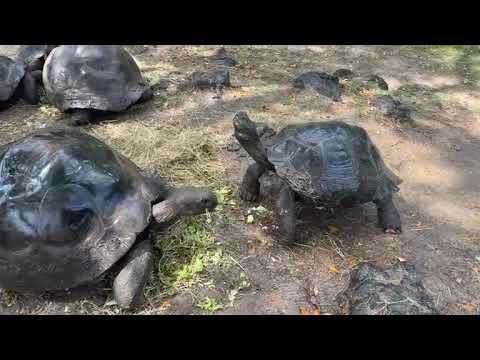
- Historical significance and characteristics of Galápagos tortoises
- Ecology and behavior of Galápagos tortoises
- Conservation efforts and challenges
- Role of zoos and wildlife organizations
- Impact on environmental education and awareness
Galápagos tortoises have long been a fascinating subject for naturalists and conservationists. Their immense size, slow pace, and long lifespan make them emblematic of the unique biodiversity found on the Galápagos Islands. First documented in the early 19th century during Charles Darwin’s famous expedition, these ancient reptiles have captivated generations with their intriguing lifestyle and critical role in the ecosystem.
Historically, the Galápagos tortoises were abundant on the islands. However, the introduction of human activity brought numerous challenges that led to their decline. Overexploitation for food and oil, combined with habitat destruction and the introduction of invasive species, severely impacted their populations. By the mid-20th century, these majestic creatures were pushed to the brink of extinction, sparking urgent conservation initiatives.
Galápagos tortoises exhibit fascinating behavior and adaptations. Known for their colossal size, some individuals can exceed 900 pounds, and their shells are a marvel of natural design, providing both protection and support. The tortoises have two main shell types: domed and saddle-backed. These adaptations help them navigate the varied environments on the islands, from the lush highlands to the arid lowlands.
Their diet primarily consists of local vegetation, including grasses, fruits, and cacti. Despite their size, Galápagos tortoises have low metabolic rates, allowing them to endure long periods without food or water—an adaptation essential for survival during dry spells.
The ecology of the Galápagos tortoises intersects profoundly with the islands’ ecosystems. As keystone species, they play a critical role in shaping the environment. Their grazing habits influence plant community structures, while their movement across the islands aids in seed dispersal. Moreover, their presence provides essential ecological functions that support other wildlife, illustrating the interconnectedness of the Galápagos ecosystem.
Efforts to conserve Galápagos tortoises have led to a remarkable recovery story, though challenges persist. The establishment of the Galápagos National Park and various breeding programs have been instrumental in increasing tortoise numbers. Conservationists have employed cutting-edge techniques such as GPS tracking to monitor populations, and innovative measures like the removal of invasive species to restore natural habitats.
Captive breeding programs have been particularly successful, with many tortoises reintroduced into the wild. These initiatives highlight the significance of targeted conservation strategies and international collaboration in preserving endangered species.
Zoos and wildlife organizations around the globe have played vital roles in raising awareness and providing critical funding for conservation efforts. By hosting captive populations, zoos offer visitors a chance to learn about Galápagos tortoises firsthand, fostering a connection to these ancient creatures and inspiring a greater appreciation for their preservation.
Furthermore, educational programs that integrate stories of the Galápagos tortoises into broader narratives of biodiversity and environmental stewardship have had substantial impacts. These programs spark interest in conservation among diverse audiences, from schoolchildren to policymakers.
Despite conservation successes, threats still loom large for these remarkable reptiles. Climate change poses new challenges, affecting habitat and food availability. Continued vigilance in habitat protection and adaptive management practices are necessary to safeguard their future.
The Galápagos tortoises are more than charismatic icons; they are vital components of their ecosystem and powerful symbols in the movement toward global sustainability. Their story underscores the importance of concerted efforts to address ecological threats, demonstrating that with committed intervention, even the most endangered species can thrive once again.
In conclusion, the narrative of the Galápagos tortoises offers valuable lessons in resilience and the power of dedicated conservation work. By understanding their ecology, addressing the challenges they face, and harnessing the educational potential they provide, we can not only preserve these magnificent creatures but also reinforce our commitment to safeguarding the planet’s biodiversity. The journey of the Galápagos tortoises continues to inspire, urging us to take active roles in preserving the natural world for generations to come.
*****
Source Description
Ever wonder how our Galápagos tortoises stay cool during warmer temps? Their day includes mud baths, mist showers, and 50 lbs of fresh produce, 3x a week! 🐢💦
Their insulated shells also help keep temps stable in between spa sessions.
