
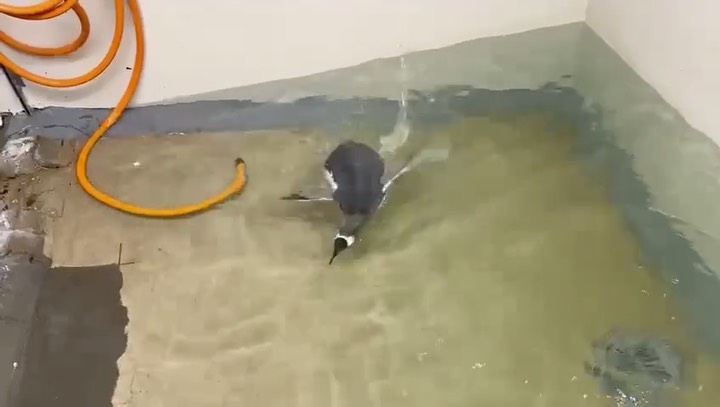
- The importance of swim lessons for penguin chicks and their development
- Natural swimming abilities of penguins and developmental milestones
- The role of observation and mimicry in learning to swim
- Supervisory practices for ensuring a safe swimming environment
- Fun facts about gentoo penguins and their behavior in the wild
Swim lessons for penguin chicks mark a crucial phase in their early development. These lessons are essential for their growth and adaptation as they learn vital skills for survival in their natural habitat. While most penguin chicks possess innate swimming abilities, they often display hesitancy when first introduced to the water. Therefore, specialized lessons provide them with the encouragement they need to take that first plunge.
Young gentoo penguins, known for their distinctive orange beaks and playful demeanor, are particularly notable for their natural affinity for water. They are equipped with a unique skeletal structure and specialized feathers that provide insulation in cold climates. Initially, however, the chicks need a safe and supportive environment to gain confidence in their swimming abilities. As they participate in swim lessons, they not only develop these skills but also begin to grasp essential concepts of maneuverability in water.
Observation and mimicry play integral roles in how penguin chicks learn to swim. Often, a timid chick will watch an older peer practicing in a controlled setting before attempting to mimic those actions. This social learning approach mirrors behaviors seen across various animal species, reflecting the adaptability and intelligence of these birds. For our youngest gentoo chick, watching an older sibling navigate the water effectively provided the encouragement needed to make the leap into the pool.
Supervising swim lessons is vital to ensure the safety and well-being of the chicks. Caregivers closely monitor their activities, providing guidance and support as they refine their swimming techniques. Within a few sessions, they learn to enter and exit the water adeptly. Eventually, these penguin chicks will be able to join their colony in the exhibit, fully integrated and adept at swimming.
Fun includes interesting facts about gentoo penguins and their behaviors that further enhance our understanding of this species. Commonly found in the Antarctic and sub-Antarctic regions, gentoo penguins are the third largest penguin species. Their curious nature and social structures contribute to their success in the wild. The experience of being part of a larger social group allows these birds to thrive. It also offers a concrete way to learn swimming skills effectively.
Penguin chicks typically grow fast. They inch toward adulthood within a few months, and swim lessons form a critical part of this rapid development. These lessons foster independence and specialized skills necessary for survival in aquatic environments. Learning to swim proficiently allows them to catch fish and escape from potential predators in the wild.
The water used for swim lessons must be carefully maintained. Cleanliness and temperature regulation are vital in creating a safe learning environment. A stable temperature allows the chicks to acclimate without the stress of environmental fluctuations. Proper filtration systems ensure that the water remains free from harmful pathogens, further contributing to the health of the penguin population in the facility.
Another important aspect of swim lessons is the psychological well-being of the chicks. Encouragement from caregivers goes a long way in helping them build confidence. The presence of older penguins not only acts as a model for behavior but also serves to reassure younger birds. This social interaction fosters a sense of belonging and security. These elements are crucial as they work through their initial fears of water.
As swim lessons progress, caregivers employ various techniques to stimulate learning. They may introduce toys or floating objects to spark curiosity, facilitating an engaging and enriching environment. These stimuli can motivate the chicks to explore the water further. The engagement not only helps them learn to swim but also encourages playful behaviors that build social bonds.
Education is central to effective penguin management and caring for these remarkable birds. Caregivers receive training that emphasizes the physiological and behavioral needs of gentoo penguins. This knowledge equips them with the tools to provide tailored enrichment activities that stimulate both physical and mental development. Lessons about capturing typical behaviors in each stage of the chick’s growth facilitate better preparation for health assessments and habitat enhancements.
Gentoo penguins are adept divers. They can reach depths of more than 600 feet while hunting for food. As they complete their swim lessons, these young birds will likely tap into this deep-sea ability, honing their skills in pursuit of fish. A strong swimming foundation directly influences their hunting success. Through effective learning, they become proficient hunters that contribute positively to population dynamics.
After completing swim lessons, these chicks cherish their newfound skills. Their ability to swim gracefully mirrors the essential behaviors seen in their adult counterparts. Adult gentoo penguins demonstrate agility in the water, showcasing their strong flippers and efficient body mechanics. This efficiency is crucial, as they rely on these skills for foraging and evading predators.
Another interesting behavior in gentoo penguins is their elaborate courtship rituals. These rituals often involve vocalizations and physical displays, showcasing their compatibility as potential mates. Understanding these social dynamics is essential for anyone managing a penguin colony. Effective husbandry practices not only guarantee a healthy environment for younger penguins but also facilitate cooperative breeding strategies.
Comparatively, gentoo penguins exhibit unique foraging behaviors. They rely on krill and fish as dietary staples. Their adaptability in food sourcing highlights their resilience to environmental changes and showcases evolutionary advantages. Learning to swim and hunt effectively supports their role as predators, contributing to ecosystem stability, which is fundamental to global conservation efforts.
Zoo facilities play a crucial role in promoting species conservation through educational programs and public awareness. Engaging visitors with swim lessons and behavioral demonstrations encourages an appreciation for wildlife. By fostering understanding and empathy for animals like gentoo penguins, zoos advocate for broader environmental stewardship.
In addition to educational value, swim lessons also provide opportunities for scientific study. Researchers can observe the developmental stages of swimming behaviors, providing valuable data relevant to penguin ecology. The insights garnered from these observations can contribute to conservation strategies aimed at sustaining penguin populations worldwide.
As we continue to monitor our youngest gentoo penguin chick’s progress, the excitement builds. Their swim lessons not only signal growth but also reinforce the importance of conservation efforts. Each chick’s journey from hesitation to skillful swimming encapsulates the resilience and adaptability inherent in these remarkable birds. By nurturing them through careful lessons, we ensure that they emerge strong and ready to thrive in their natural habitats.
Stay tuned for ongoing updates on their progress as they become adept swimmers and eventually join their fellow penguins in the exhibit. By sharing this journey, we hope to inspire others to learn more about gentoo penguins and the vital role they play in our ecosystems. Understanding their journey enhances our connection to nature, reminding us of our responsibility toward wildlife conservation and environmental protection.
*****
Source Description
Swim lessons are now in session! Our youngest gentoo penguin chick is beginning to take the plunge in our behind the scenes pool. Most penguin chicks can swim naturally, but they can be hesitant at first and need encouragement to take their first dip. After observing another young gentoo penguin swim for a while, our youngest began to mimic these behaviors. We supervise our penguin chicks until they become strong swimmers and can maneuver getting in and out of the water. Once ready, they’ll join the rest of the penguin colony on exhibit. Stay tuned for updates on their progress!
📹 : Keeper Kim
