
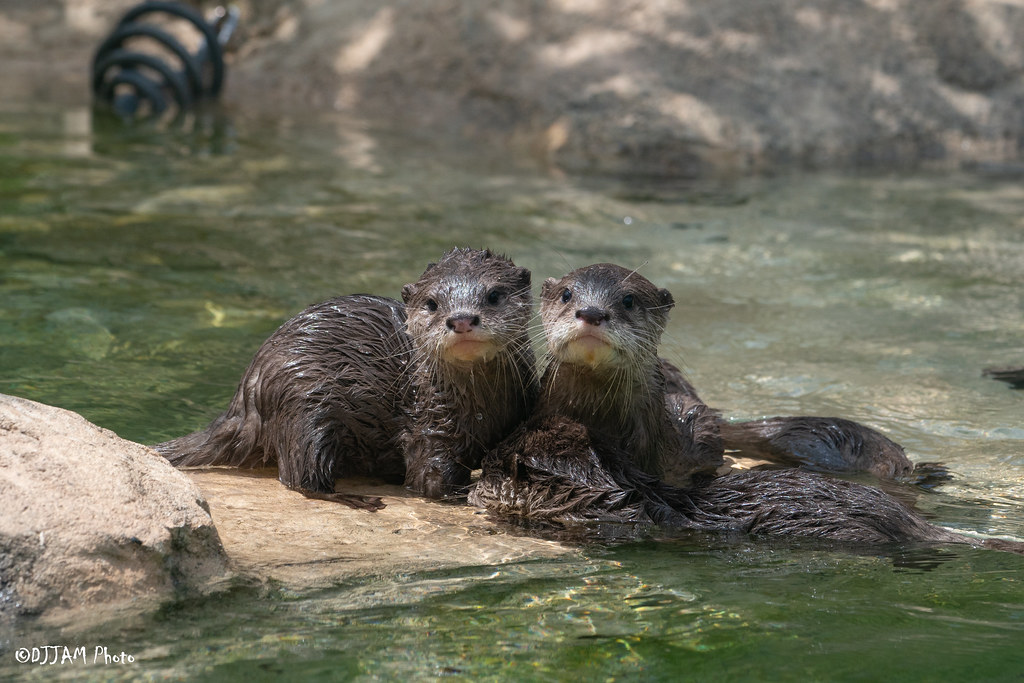
Summary of Otter Pupdate: Ripple, Splash, Scuttle & Puddles:
The post on the Cincinnati Zoo & Botanical Garden’s website discusses updates on four otters named Ripple, Splash, Scuttle, and Puddles. It provides insights into their behaviors, habitats, and interactions, highlighting their charm and the care they receive at the zoo.
- Introduction to Otter Pupdate: Ripple, Splash, Scuttle & Puddles
- Characteristics and behaviors of the four otters
- Importance of otter conservation
- Role of zoos in otter rehabilitation and education
- Community engagement and the significance of wildlife education
The Cincinnati Zoo has recently highlighted the charming lives of four otters: Ripple, Splash, Scuttle, and Puddles. These animals are not only captivating because of their playful nature but also serve as important ambassadors for their species in conservation efforts. Understanding their unique characteristics and behaviors adds depth to our appreciation of these animals. In the broader context, the conservation of otters globally emphasizes the role of zoos in rehabilitation and public education.
Ripple, Splash, Scuttle, and Puddles all exhibit behaviors typical of otters, including agility and social interaction. Ripple, as the name suggests, is known for her smooth swimming and curiosity. She often explores her environment, showcasing otters’ famous inquisitive nature. Splash is aptly named due to her playful antics, frequently engaging in energetic splashes when playing in the water. Scuttle’s agility on land sets her apart; she moves quickly and efficiently, demonstrating the adaptability of otters both in water and on land. Puddles, often observed relaxing and socializing, provides the group with a calming presence, highlighting the social structure commonly seen in otter groups.
Otters play a vital role in their ecosystems. They help maintain healthy aquatic environments by controlling fish populations and keeping kelp forests healthy in marine settings. Moreover, they are indicators of ecosystem health. The presence of otters can signal a thriving environment, while their absence may indicate ecological problems. Their diet primarily consists of fish, crustaceans, and mollusks, and their meticulous hunting techniques showcase their evolutionary adaptations.
The conservation of otters has gained importance due to habitat destruction and pollution affecting their populations. Several species of otters are listed under varying degrees of threat. The global decline in otter populations is alarming, making conservation efforts crucial. Many organizations, including the Cincinnati Zoo, participate in research, rehabilitation, and breeding programs for otters. These programs aim to address population declines and educate the public on the vital roles otters play in the environment.
Zoos like the Cincinnati Zoo actively participate in wildlife conservation by providing a safe haven for otters, particularly those that have been injured or orphaned. Animal care specialists work to rehabilitate these otters, enabling them to thrive in controlled environments until they can potentially be released back into the wild. Such practices not only rescue individual animals but also serve as a platform for broader conservation messaging.
Education plays a key role in public engagement with wildlife. Visitors at the zoo have the opportunity to learn about otters and their environments through exhibitions, interactive programs, and demonstrations. These educational efforts raise awareness about the challenges facing otter populations and offer insights into how individuals can contribute to wildlife conservation.
Community involvement is another avenue through which the Cincinnati Zoo fosters wildlife education. From school programs to volunteer opportunities, the zoo champions the cause of wildlife conservation. By connecting the community to the otters and their habitats, the zoo is able to inspire more significant efforts in environmental stewardship. Collaborative projects can range from local clean-up initiatives to advocacy for sustainable practices that protect otter habitats and other ecosystems.
On a biological level, otters possess several adaptations that allow them to thrive in aquatic environments. Their streamlined bodies aid in swimming, while their webbed feet act like paddles for enhanced maneuverability. They have thick fur that insulates against cold water and a unique system for trapping air that keeps them buoyant. Otters also utilize tools, such as rocks, to open shells, which is a demonstration of their intelligence.
Furthermore, breeding programs in zoos often involve creating environments that mimic the otters’ natural habitats. Providing enriching experiences, such as spaces for climbing and swimming, and even puzzle feeders, enhances their physical and mental stimulation. These practices not only promote well-being in captivity but prepare otters for potential reintroduction into the wild.
The Cincinnati Zoo exemplifies how modern zoos can contribute to wildlife rescue and rehabilitation while serving as educational hubs. By raising awareness about the importance of protecting otters and their habitats, zoos play a pivotal role in wildlife conservation. Their combined efforts help to ensure that these animals will flourish for future generations.
The significance of Ripple, Splash, Scuttle, and Puddles transcends their role as entertainment. They represent a vital connection to the natural world and the pivotal role of ecosystems. By supporting conservation efforts, individuals can contribute to the protection of not only otters but a diverse range of wildlife needing assistance.
Wildlife conservation’s future depends on the collective actions of the community and knowledgeable organizations. As Ripple, Splash, Scuttle, and Puddles capture the hearts of all who visit, they embody the message that education and awareness are powerful tools for fostering a sustainable relationship with nature.
Understanding otters and their ecosystems reminds us that every species plays an essential role in the balance of nature. The journey toward wildlife conservation involves collective effort, commitment, and passion for nurturing and protecting all living beings.
Communication through storytelling and shared experiences strengthens community ties, motivating individuals to engage actively in wildlife protection. Each visit to the Cincinnati Zoo, where one can see Ripple, Splash, Scuttle, and Puddles, offers an opportunity to learn more about wildlife, instilling a sense of responsibility toward preserving natural habitats.
The fascinating lives of these otters underscore the principle that every creature matters, and it is our responsibility to think about how actions impact wildlife. By educating ourselves and others about the challenges faced by otters and promoting conservation, we pave the way for healthier ecosystems where such animals can thrive.
Ripple, Splash, Scuttle, and Puddles stand not only as individuals but as representatives of their species, teaching us about adaptability, resilience, and social bonding. Through ongoing efforts in conservation and education, zoos play an instrumental role in shaping the future for otters and various other wildlife species.
