
- Overview of the Central Park Zoo’s Exhibits and Wildlife
- Importance of Wildlife Conservation and Education
- Benefits of a Self-Guided Tour for Campers
- Overview of Zoo Management Practices
- How Camps Can Benefit from Group Discounts and Educational Opportunities
The Central Park Zoo is a fascinating microcosm of wildlife nestled within New York City’s urban landscape. It’s an educational hub where campers can engage with diverse species and learn about crucial conservation efforts. This summer, taking campers on a self-guided tour of the Zoo provides an interactive way to explore these aspects. The experience becomes an exciting adventure into zoology, engaging young minds in the beauty and challenges of wildlife preservation.
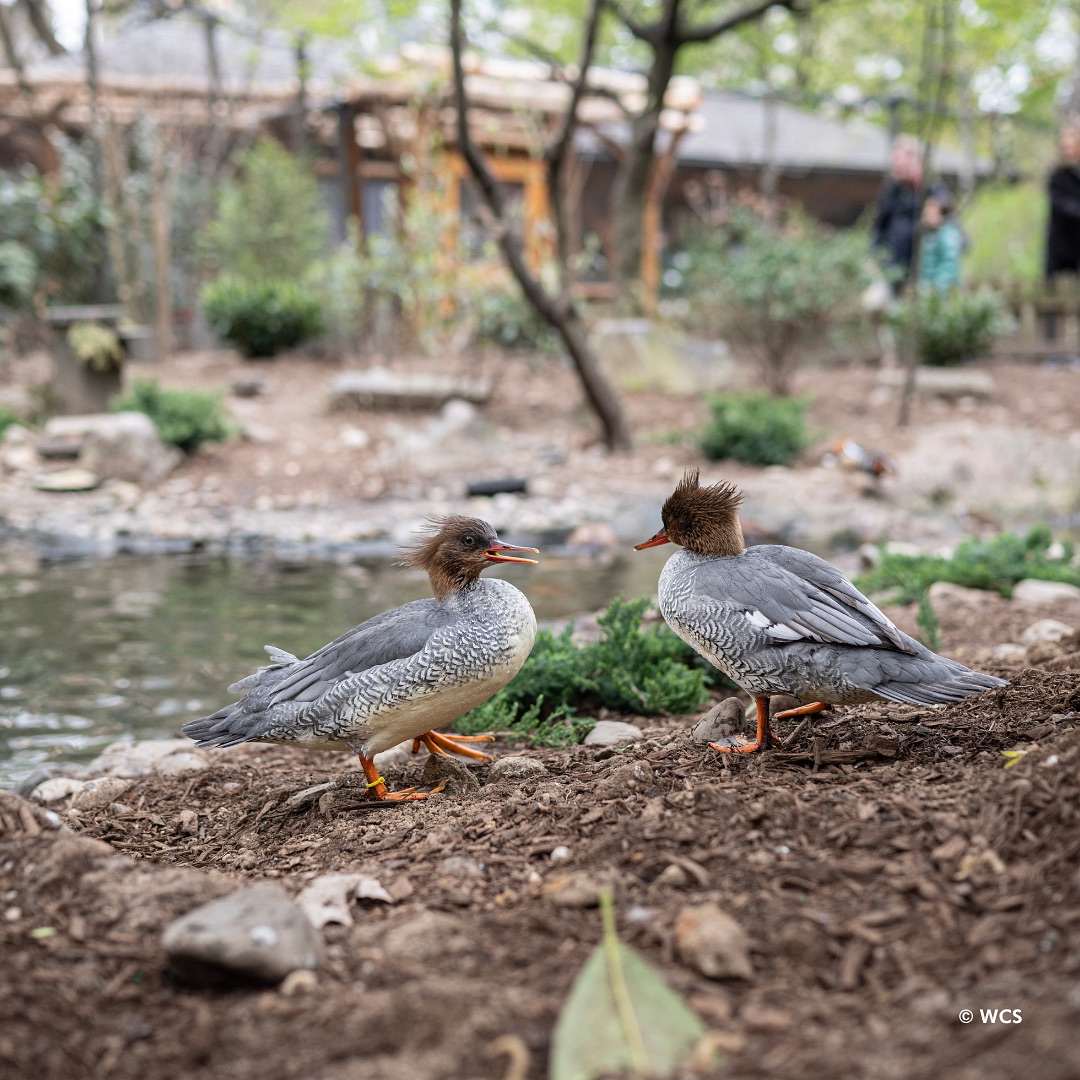
Central Park Zoo offers a unique blend of exhibits, highlighting different species from around the globe. Visitors can observe creatures such as scaly-sided merganser ducks, harlequin lambs, Patagonian cavies, and snow monkeys. These species represent both common and rare encounters in the animal kingdom, each serving as a learning touchstone.
The scaly-sided merganser duck is native to regions of eastern Asia. These ducks are characterized by their distinctive head crests and are considered endangered due to habitat loss and hunting. Observing them offers insight into avian adaptation and environmental needs.
The Patagonian cavy, a rodent indigenous to Argentina, resembles a small deer. Known for their social behavior and agility, they are a fantastic introduction to mammalian social structures and survival strategies.
Snow monkeys, or Japanese macaques, provide another intriguing glimpse into animal behavior. Known for their intelligence and complex societies, these primates are native to Japan and are renowned for their ability to adapt to cold environments—thus their alternate name, "snow monkeys."
Engaging with such diverse species sparks curiosity about ecosystems and their importance. Each animal has a story tied to conservation efforts. This is crucial, as the Zoo plays a fundamental role in fostering wildlife education and environmental conservation practices. These efforts are instrumental in preserving species and maintaining biodiversity.
Wildlife conservation is a central theme within the Central Park Zoo. The facility supports various endangered species programs and collaborates with global partners to protect animal habitats. Conservational education is woven into the zoo’s mission, highlighting the impact of human activities on ecosystems. These programs provide invaluable learning opportunities for campers, instilling the importance of protecting our planet’s biodiversity.
The self-guided nature of this zoo visit empowers campers to explore at their own pace. By leading their investigations, they are encouraged to ask questions and seek information, fostering a sense of curiosity and responsibility towards wildlife.
Providing campers with a chance to guide their learning cultivates independent thinking and self-motivation. As they navigate the exhibits, they learn to make connections between species behavior, habitat requirements, and conservation needs. This form of experiential education is more impactful and memorable than traditional classroom learning.
Zoo management practices are paramount to the success of such educational experiences. Effective management ensures the wellbeing of animals, the safety of visitors, and the smooth operation of the facility. This involves habitat design, dietary planning, medical care, and environmental enrichment for the animals. Understanding these aspects offers a fuller picture of what it takes to maintain a modern zoo.
Operations at the zoo are carefully orchestrated to balance visitor engagement with animal welfare. For instance, habitat designs mimic natural environments as closely as possible to provide comfort and stimulation. Enrichment programs are implemented to encourage natural behaviors, which is vital for the mental and physical health of the animals.
Another cornerstone of zoo management is the implementation of educational programs. These are designed to engage different audiences, from young campers to adult visitors, providing valuable information and experiences related to wildlife and conservation.
School and camp groups benefit significantly from visiting the Central Park Zoo. With special discounted rates, camps have access to an affordable means of enriching education beyond the classroom. The Zoo offers resources tailored to maximize learning outcomes, including tour guides and educational materials.
Engaging with the Zoo’s exhibits and educational programs opens up a world of discovery that benefits campers and educators alike. By bridging the gap between theoretical knowledge and real-world observation, the Zoo ignites a lifelong passion for wildlife and conservational science.
This learning experience can inspire future careers in environmental science, zoology, and conservation. For many campers, a visit to the Zoo might be their first exposure to these fields, potentially sparking a lifetime of interest and involvement in environmental stewardship.
In summary, taking campers on a self-guided tour of the Central Park Zoo this summer represents an enriching educational opportunity. The Zoo’s exhibits, combined with its focus on wildlife conservation and effective management, offer a comprehensive learning environment. Leveraging group discounts and educational programs further enhances accessibility, making it an ideal summer activity for camps seeking to inspire and educate.
*****
Source Description
This summer, take your campers on a self-guided tour of the Central Park Zoo. Let them explore our exciting exhibits and discover majestic wildlife in the heart of Manhattan. See scaly-sided merganser ducks, harlequin lambs, Patagonian cavies, snow monkeys, and more! And don’t forget we offer special discounted rates for school and camp groups! Learn more and book at the link in profile.
