
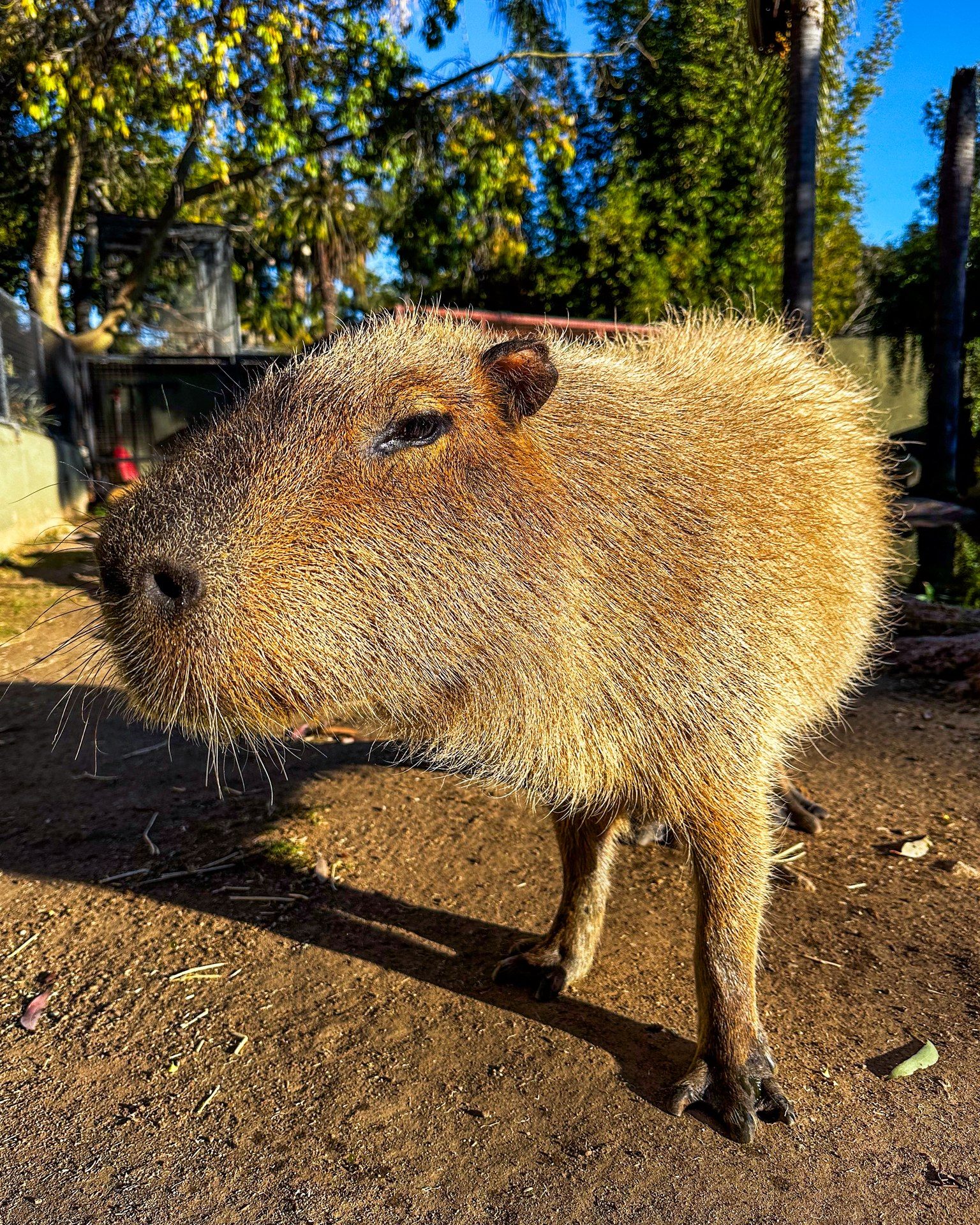
- Understanding the Capybara: Biology and Behavior
- Habitat and Conservation Status
- The Role of Zoos in Education and Conservation
- Interactive Engagement: The “Boop the Snoot” Experience
- Guidelines for Responsible Animal Interaction
The capybara (Hydrochoerus hydrochaeris) holds the title as the largest rodent in the world, distinguished by its semi-aquatic nature and sociable disposition. Originating from South America, these mammals thrive in diverse habitats, including wetlands, marshes, and savannas. Capybaras exhibit unique adaptations that cater to their lifestyle, including webbed feet for swimming, a stout body built for comfort in water, and a whiskered face that enhances their sensory perceptions. Typically reaching up to four feet long and weighing between 77 to 150 pounds, their physical characteristics not only showcase natural selection but reflect their evolutionary journey.
Social dynamics are crucial to the understanding of capybara behavior. In wild settings, they inhabit groups ranging from 10 to 20 individuals, governed by strong hierarchies. Capybaras communicate using various vocalizations, including barking and purring, facilitating social bonding and group cohesion. Their diet primarily consists of grasses, aquatic plants, and fruit, a fact that emphasizes their role in seed dispersion throughout ecosystems.
Conservation status is an important aspect of the capybara narrative. Their populations are currently stable in certain regions but face threats from habitat destruction and hunting. In some areas, their pelts are sought after, and urban expansion impedes their natural habitats. However, organizations dedicated to wildlife conservation actively work to protect these gentle creatures and the ecosystems they inhabit. Educational programs aimed at raising awareness about capybaras are crucial for fostering public understanding and involvement in their conservation.
Zoos play an integral role in capybara education and conservation efforts. They serve not only as safe havens for these animals but as hubs for research and public engagement. When individuals visit zoos, they gain exposure to various wildlife species, leading to increased empathy and a deeper understanding of animal behaviors. In this educational context, programs highlighting animal care and rehabilitation promote conservation messages and encourage visitors to advocate for wildlife protection.
One such engaging aspect of interacting with capybaras in a zoo setting is the “Boop the Snoot” experience. This unique activity invites participants to gently tap or swipe their fingers to ‘boop’ the capybara’s snoot. This interaction fosters a personal connection between visitors and the animals, making educational messaging more impactful. By allowing people to interact in such a lighthearted manner, zoos promote awareness about the species’ needs and conservation efforts while also enhancing visitor experiences.
It is crucial to approach animal interactions with a responsible mindset. While ‘booping the snoot’ may appear harmless and playful, the well-being of the animal must always be considered. Educational institutions and zoo staff advocate for guidelines that prioritize both animal safety and visitor engagement. Understanding animal stress signals, such as retreating or vocalizing abruptly, is essential for a respectful interaction. These guidelines ensure that animals are comfortable, thereby enhancing the overall educational experience for everyone involved.
In summary, capybaras provide fascinating insight into animal behavior and conservation needs. Through programs like “Boop the Snoot,” visitors can learn essential lessons about their natural history while positively impacting their conservation. As we become better educated about these magnificent creatures, we can contribute to their protection and the preservation of their habitats. With continued awareness and responsible interaction, people can play an active role in conserving the capybara and ensuring a sustainable future for wildlife globally.
*****
Source Description
Tap in and swipe to boop the capybara’s snoot! 🫵🐽
📸: Keeper Brooke
Alt-text: Poppy the capybara poses for Keeper Brooke as the sun sets on her happy home at the Zoo. In the second picture, Poppy comes so close to the camera that you can practically feel her breath through your screen!
