
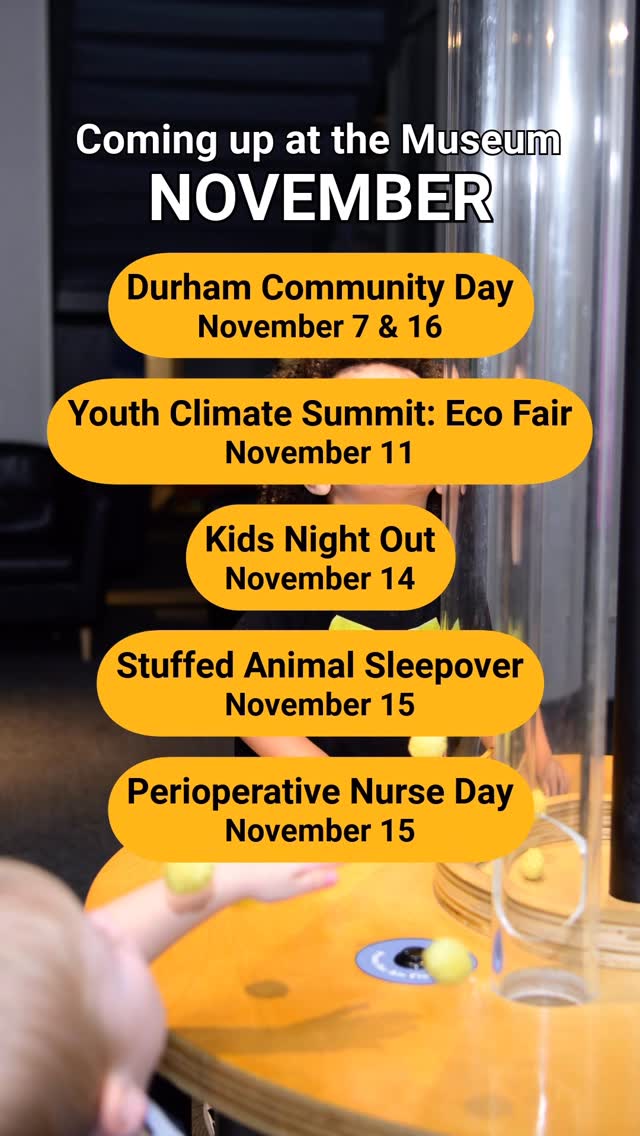
- The diverse array of exhibits and programs at the museum for November
- Insights into the educational and conservation initiatives underway
- Highlights of special events and exclusive experiences
- The role of the museum in promoting wildlife awareness and conservation
- Tips for making the most out of your visit this November
Throughout November, the museum is a hub of activity. Visitors can explore various exhibits, each providing insights into different aspects of zoology and animal conservation. The month promises an exciting lineup of programs, workshops, and activities designed to engage visitors of all ages.
Educational exhibits are a central feature of the museum’s initiatives. These displays often feature species native to regions around the globe, highlighting their habitats, behaviors, and survival strategies. This month, a standout exhibit focuses on the fascinating adaptations of various animals to their environments. It includes interactive elements allowing visitors to engage with the material. This hands-on approach not only fosters learning but also deepens appreciation for wildlife.
In conjunction with permanent displays, the museum offers special programs throughout November. Educational workshops provide opportunities for deeper exploration of topics like animal biology, conservation strategies, and ecosystems. For instance, visitors can attend a workshop dedicated to the impact of climate change on biodiversity. By showcasing real-world challenges, these programs equip participants with knowledge on how human behaviors influence animal populations and habitats.
Alongside educational offerings, the museum is hosting a series of special events aimed at fostering community engagement and raising awareness. The “Wildlife Conservation Day” is a highlight of November, where conservationists and experts gather to share insights. Attendees will have access to expert talks, panel discussions, and interactive sessions. This event encourages dialogue around pressing conservation issues, showcasing the importance of collective action.
Unique to this month, the museum introduces guided tours focusing on conservation success stories. These tours illustrate how targeted efforts can lead to the recovery of endangered species. Such narratives are vital in illustrating the positive outcomes of effective conservation strategies. Visitors will learn about various species that have returned from the brink, instilling a sense of hope and motivation to support ongoing conservation initiatives.
Animal encounters are another thrilling aspect of the museum’s programming. Often, specially curated sessions give visitors a chance to see animals up close and learn from knowledgeable staff about their habitats and behaviors. These interactions can foster a personal connection to wildlife, encouraging conservation-minded attitudes in the community.
In addition to planned activities, November offers a platform for families to bond over shared interests. Each weekend, the museum presents family-friendly activities, such as craft sessions and storytelling events centered on animals and their habitats. These offerings make learning accessible and enjoyable, promoting an enriching family experience.
Art and zoology also intersect this month with the opening of a new art exhibit that celebrates wildlife through the lens of local artists. This endeavor highlights the beauty and fragility of biodiversity. Art can be a powerful medium for raising awareness, inspiring visitors to appreciate the connections between culture and nature. Proceeds from art sales contribute to local conservation projects, demonstrating a commitment to community engagement.
Moreover, the museum provides resources for visitors interested in further learning about conservation. An array of books, pamphlets, and brochures are available, covering various aspects of wildlife management and ecosystem health. Digital resources are also accessible through the museum’s website, allowing for continued education long after a visit.
In an age where climate impacts are escalating, the museum plays a crucial role in helping the public understand these changes. It provides a platform for discussing how individual actions can affect the environment. Educational pamphlets and workshops focus on sustainable living practices, reinforcing the link between daily choices and environmental health.
For those planning a visit this month, there are tips to maximize the experience. Arriving early can help avoid crowds and allow for more intimate interactions during guided tours. It’s also beneficial to familiarize oneself with the exhibits and events in advance. Utilizing the museum’s website can offer insight into specific programs or talks that align with personal interests.
Engagement with staff is encouraged. The knowledgeable teams are eager to share insights and deepen visitors’ understanding of various exhibits. Their expertise can illuminate the interconnectedness of species and demonstrate the importance of conservation efforts.
As November unfolds, the museum serves as a focal point for education and awareness in zoology and wildlife conservation. Providing an enriching learning experience, it emphasizes the importance of collective efforts in protecting wildlife and ecosystems. Each exhibit, workshop, and event contributes to a broader narrative about the importance of biodiversity and the need for responsible stewardship of our planet.
The museum’s commitment to wildlife conservation extends beyond educational programming. Collaborations with local conservation organizations and researchers enhance its impact in the field. These partnerships facilitate research projects, outreach initiatives, and conservation activities aimed at protecting vulnerable species.
Outreach efforts are especially critical as they help reach diverse audiences. The museum hosts school groups, offering specialized tours and programs designed specifically for younger visitors. This early exposure to conservation concepts is vital for nurturing the next generation of environmental stewards. Programs are crafted to correlate with educational standards, ensuring teachers can seamlessly integrate museum visits into their curricula.
Sustainability practices operate within the museum itself. The facility has implemented eco-friendly measures, such as waste reduction strategies, energy-efficient systems, and water conservation initiatives. This commitment to sustainability models responsible practices for visitors.
By attending the museum’s events, guests contribute to preserving wildlife and natural habitats. Ticket sales and donations directly support various conservation projects, both locally and globally. This connection fosters a sense of community responsibility and encourages visitors to consider their role in wildlife protection.
In addition to its focus on reptiles and mammals, the museum recognizes the importance of encompassing all biological diversity. Exhibits feature not just animals but also plant life and fungi, which are integral to ecosystems. This comprehensive approach highlights the interconnectedness of life forms and the essential roles they play in their environments.
The excitement of visiting the museum in November lies in the variety of learning experiences available. Beyond appreciation for wildlife, the programming instills a sense of responsibility towards environmental stewardship. Visitors leave with knowledge and inspiration, understanding the tangible ways they can contribute to conservation efforts.
Catering to different interests ensures there is something for everyone. Whether attending a workshop on prevailing threats to biodiversity or witnessing live animal demonstrations, engagement opportunities abound. The museum functions not just as a destination, but as a catalyst for informed action.
With November brimming with activities, the museum stands out as a vibrant center of education and conservation. This considerable initiative promotes in-depth understanding of zoology and wildlife conservation. As conversations around global biodiversity challenges grow increasingly significant, the museum’s role becomes all the more vital, encouraging proactive engagement in environmental issues. Visitors are invited to connect actively, learn, and contribute. The efforts made during this month can resonate far beyond the museum walls, fostering a culture of environmental awareness for years to come.
*****
Source Description
Here’s what’s on at the Museum in November!
Find all the details at the link in our bio 🧡
