
- World Bonobo Day: Importance of Awareness and Education
- The Bonobo Guide to Love & Friendship: An Insightful Lecture
- Bonobos in Conservation: Challenges and Strategies
- Community Engagement: The Role of Public Events
- The Future of Bonobos: Preservation Efforts and Support
Celebrating World Bonobo Day serves as a vital opportunity to raise awareness about the significance of bonobos, our closest living relatives. This observance fosters an understanding of great apes, particularly bonobos, which play a critical role in our ecosystem. Educating the public about their behaviors, social structures, and conservation needs is essential for fostering a broader appreciation and commitment to their survival.
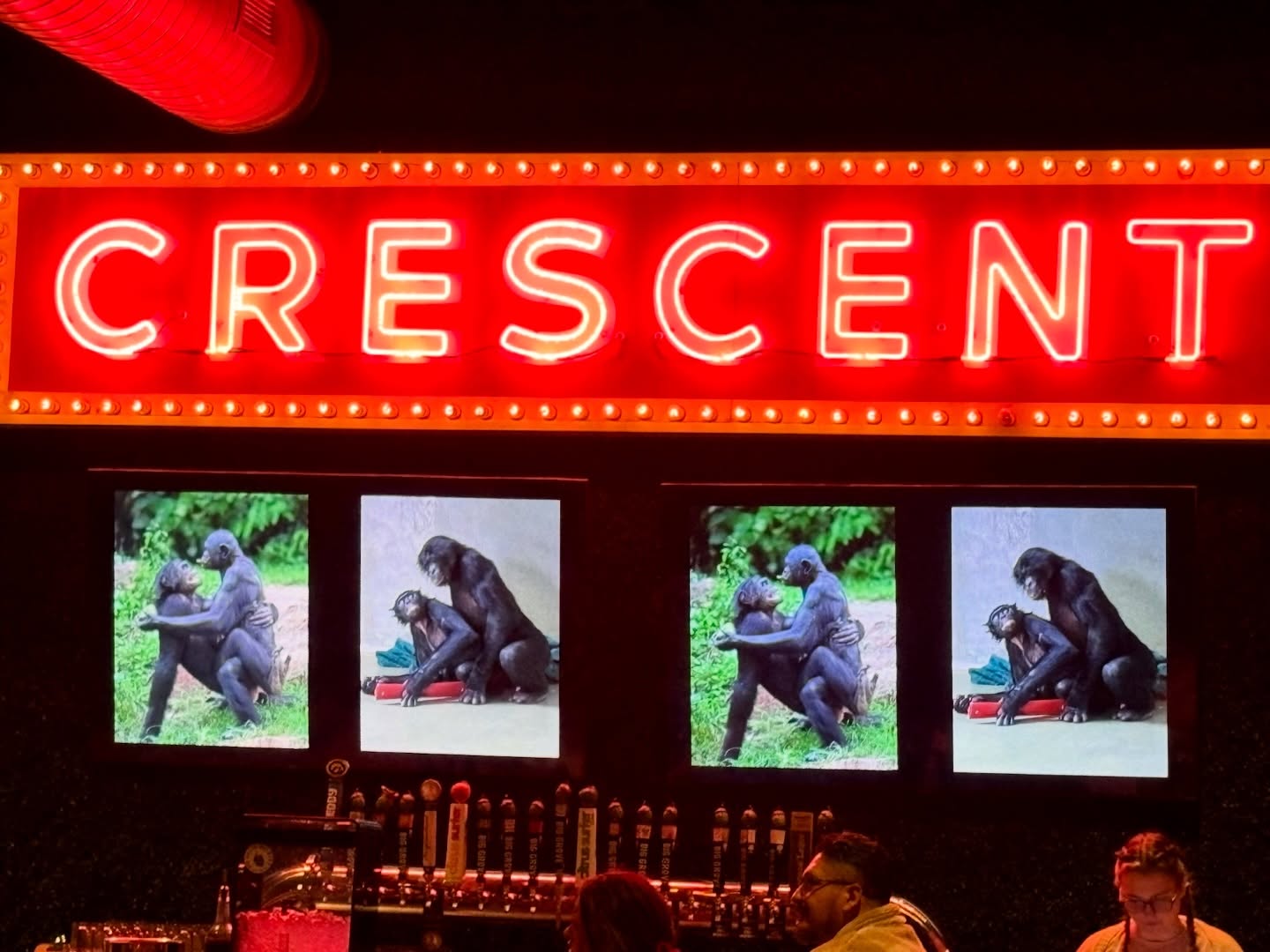
The recent event at @biggrovedsm highlighted this mission perfectly. Attendees gathered to engage in discussions around the topic of bonobos and their relationships, as presented in “The Bonobo Guide to Love & Friendship.” This informative session marked the first in a series organized by the Ape Initiative, aiming to deliver engaging content that informs the community about pressing environmental issues and the fascinating lives of these primates.
Bonobos occupy a unique ecological niche as highly intelligent beings who exhibit complex social interactions. Their behaviors, particularly regarding cooperation and emotional bonding, challenge many preconceived notions about animal behavior and intelligence. Bonobos display a form of social organization characterized by matriarchal structures, where females often lead groups. This social hierarchy plays a vital role in maintaining harmony within their communities.
The bonobo’s approach to relationships, which features peaceful conflict resolution methods, is particularly noteworthy. They utilize affectionate gestures, such as grooming and embracing, to reduce tension and strengthen social bonds. These behaviors not only highlight their capacity for emotional intelligence but also serve as remarkable examples of how social structures can positively influence species survival.
The Bonobo Guide to Love & Friendship was not merely an academic lecture; it was designed to make participants reflect on the emotional lives of these creatures. The audience learned about the various forms of love and friendship that bonobos exhibit, demonstrating how these bonds contribute to their overall well-being and social stability. Insights gathered from this guide can translate into broader themes of compassion and empathy, traits that are essential for humans as well. The juxtaposition of this knowledge with the realities of conservation and the challenges bonobos face prompted meaningful discussions among attendees.
Bonobos are classified as endangered. Their habitat in the Congo Basin has been subject to severe deforestation and illegal hunting. Additionally, the fragmentation of their habitats compounds the threats they face. Educational programs like the Bonobo Guide to Love & Friendship address these pressing issues, highlighting the need for concerted conservation efforts.
Audience members were encouraged to take part in the cause, whether through direct action or raising awareness elsewhere. Conservationists advocate for habitat protection and restoration, stricter anti-poaching laws, and the establishment of wildlife corridors to connect fragmented populations. Community-focused initiatives that engage local people in conservation efforts are critical for creating sustainable solutions that will endure over time.
Public events, such as those surrounding World Bonobo Day, play a significant role in furthering these aims. By bringing the community together, these gatherings foster a sense of shared responsibility. They provide platforms for learning and collaboration, uniting diverse groups—students, scientists, families, and animal lovers—around a central cause. Dialogue at these events often inspires attendees to become advocates for wildlife conservation, expanding their role from passive observers to active participants.
The discussions sparked during the event often lead to meaningful actions that extend beyond occasional volunteer work. Engaging the public in conversations about bonobos fosters a broader commitment to wildlife conservation. The hands-on experience offered at outreach activities generates awareness and appreciation for bonobos and their habitats. Various educational materials distributed at the workshops reinforce the messages of the lectures, allowing attendees to continue their learning journey long after the event concludes.
The future of bonobos lies heavily in the hands of conservationists, researchers, and the global community alike. Protecting these primates requires a multifaceted approach that combines education, habitat conservation, and active participation from individuals all over the world. Lowland forests must be preserved not only for bonobos but for the entire biodiversity they support. Every effort made to raise awareness about the plight of bonobos contributes to global ecological health.
Moreover, the establishment of conservation programs tailored to encouraging economic development in local communities can create incentives to protect bonobo habitats. When locals understand the value these animals hold—not only ecologically but also in terms of potential ecotourism—there is a greater likelihood they will invest in their conservation. These community-driven approaches enable a shared stake in preserving bonobos and their habitats.
Organizations dedicated to the conservation of bonobos advocate for adopting best practices within primate sanctuaries and zoos. Scientific research and collaborative education initiatives can pave the way for future breakthroughs in understanding bonobo behavior. Continuing education for zookeepers and educators ensures that those who care for these animals also understand the intricacies of their needs. Research developed in the field can translate into more informed care practices in zoological settings, maximizing the quality of life for all bonobos under human guardianship.
In summary, the enthusiasm and dedication displayed during World Bonobo Day underscore the paramount importance of these great apes to both science and to each of our lives. Events such as this serve as a catalyst for fostering the engagement and stewardship necessary for the conservation of bonobos. Through education and robust community involvement, there can be a sustainable future for these extraordinary animals.
Increasing public knowledge around bonobos and their social dynamics is crucial in laying ground for long-lasting conservation efforts. Each initiative and event amplifies the necessary discussions that lead to effective interventions. Breaking down barriers between scientific inquiry and public awareness helps to cultivate a shared understanding of and responsibility for our closest living relatives.
Ultimately, as we work towards a future that prioritizes the protection of bonobos, individuals have the remarkable opportunity to engage deeply with conservation efforts, becoming stewards of the very essence that bonds all living beings on this planet.
*****
Source Description
We are so grateful to everyone that came out to @biggrovedsm to celebrate World Bonobo Day!! 🌍
The Bonobo Guide to Love & Friendship was a pilot for Ape Initiative’s upcoming public lecture series – and one example of how our programs engage the community with science and conservation!
Thank you for joining us to learn about great ape love and to support our closest living, and endangered, relatives – BONOBOS 🩷
