
- Celebrating community engagement through artistic expression and performances
- Highlighting the importance of marine conservation and scientific dialogue
- Acknowledging partnerships with various organizations for successful events
- Inspiring personal action and stewardship for ocean health
- Recognizing the role of zoos and aquariums in public education
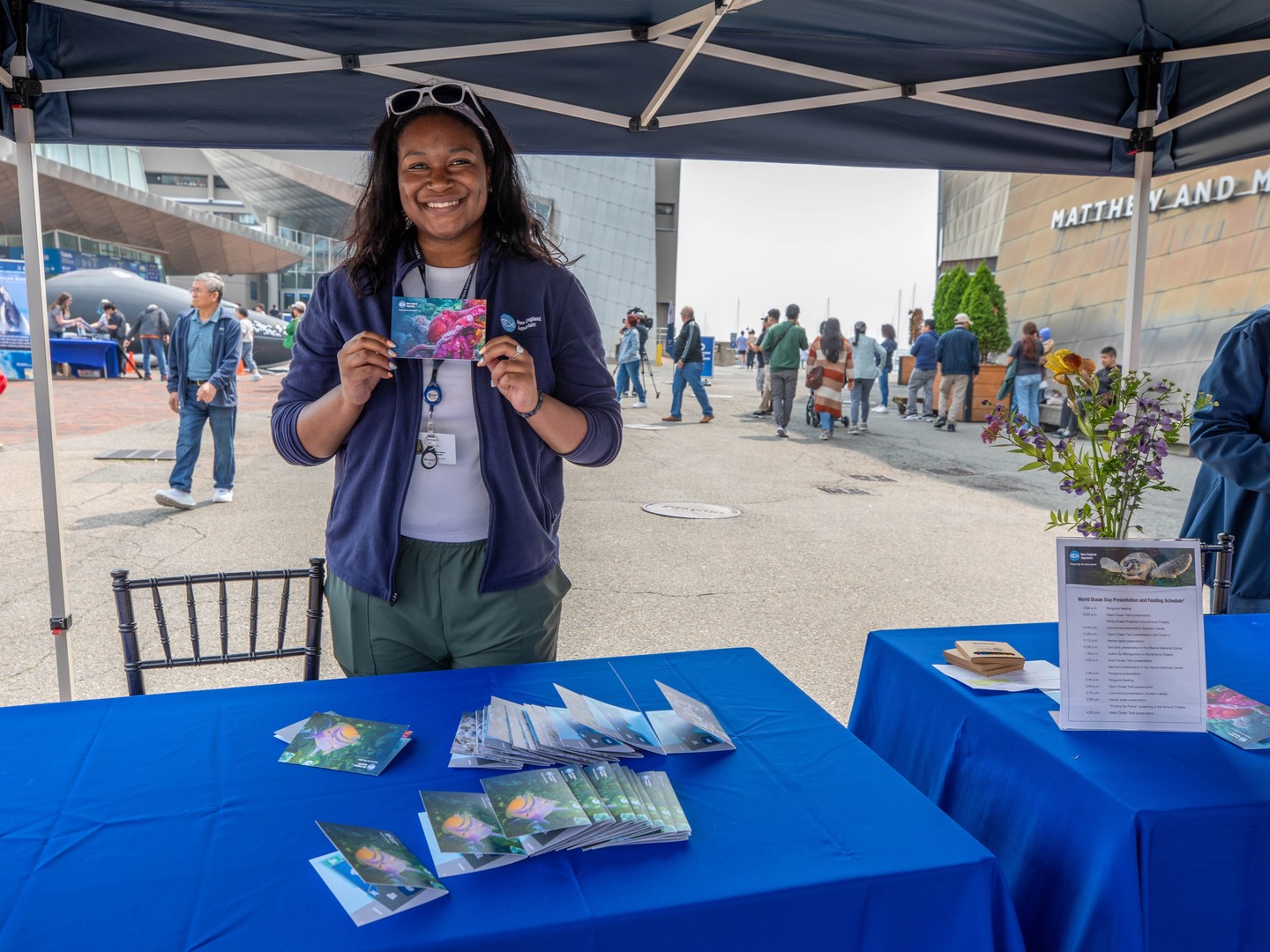
Today, we extend our heartfelt gratitude to everyone who participated in World Ocean Day. This special occasion was not just a celebration; it was an opportunity for individuals and communities to unite in their appreciation and advocacy for our oceans. The activities held included community art projects, opera performances, a book signing, a screening of a compelling documentary, and enlightening discussions with scientists and conservationists from the Anderson Cabot Center for Ocean Life.
The day was vibrant with creativity and knowledge-sharing. Community art not only encouraged participation but also allowed individuals to express their relationship with the ocean through various mediums. Art has a transformative power, serving as a bridge that connects emotion and action. By visualizing the ocean’s beauty and its vulnerabilities, we cultivate an awareness that can spark meaningful conversations about conservation.
Opera performances added a cultural layer to the day’s events, showcasing themes that resonate with oceanic life and environmental stewardship. Art and music are vital components of societal dialogues about ecological issues. They engage audiences on emotional and intellectual levels, urging them to consider the profound impact of human activities on marine ecosystems.
The book signing featured authors who eloquently captured the narratives of ocean life. Each book serves as a vessel of knowledge, imparting information about marine species, their habitats, and the pressing issues they face. Reading broadens understanding. The more we know, the better equipped we become to advocate for the protection of our oceans.
A documentary screening highlighted critical issues threatening marine environments, such as pollution, climate change, and unsustainable fishing practices. This visual storytelling method is an effective way to convey complex information. It encourages viewers to empathize with marine creatures and the challenges they encounter due to human interference. Documentaries can evoke powerful emotions, serving as catalysts for change.
Throughout the day, discussions with scientists and conservation partners from the Anderson Cabot Center for Ocean Life provided a forum for learning. These conversations spanned various topics, from the biology of marine species to the policies necessary for effective ocean conservation. Engaging with experts allows attendees to gain insight into the complexities of marine ecosystems and the importance of preserving them. Conservation is not just the responsibility of scientists; it demands active participation from everyone.
Behind this successful event were remarkable partner organizations that played vital roles in its execution. Collaborations amplify the impact of individual efforts. Each partnership brings distinct resources, expertise, and perspectives, enriching the educational experience for attendees. Collective efforts can bring about significant strides in raising awareness for ocean issues.
As we recognize these partnerships, it’s important to discuss the dual role that institutions like aquariums and zoos play in environmental education. They serve as living laboratories, showcasing the beauty and diversity of marine life while also educating the public about conservation. These institutions are committed to nurturing the next generation of ocean stewards.
In addition to celebrating our oceans, World Ocean Day is a call to action. It encourages personal accountability in protecting marine environments. Simple actions can make a significant difference. Reducing single-use plastics, participating in local cleanups, and supporting sustainably sourced seafood are ways individuals can contribute to ocean health.
True stewardship involves understanding how choices affect the environment. By making informed decisions, each person can play a role in reducing the ecological footprint on oceans. Education is the first step toward generating change. Awareness leads to informed choices, which ultimately leads to actions that enhance ocean conservation efforts.
The health of our oceans is crucial not only for marine life but also for humans. Oceans provide vital resources, support livelihoods, and play a critical role in regulating the climate. Healthy oceans are essential for food security and economic stability. The interdependence of marine health and human well-being cannot be overstated.
The threats facing our oceans are numerous. Climate change leads to rising temperatures and ocean acidification, severely impacting marine species. Overfishing depletes fish populations and disrupts ecosystems. Pollution, particularly plastic waste, suffocates marine life and damages habitats. Awareness of these issues is essential to foster a collective commitment to initiate change.
In addition to raising awareness, proactive measures must be adopted. Policy reform plays a critical role in ocean conservation. Strong legal frameworks can protect marine areas, restrict harmful practices, and promote sustainable fishing and tourism. Community involvement in policy discussions strengthens the democratic process and ensures that local voices are heard.
Ongoing public education initiatives are crucial in fostering a population aware of the importance of marine conservation. Campaigns that focus on ocean literacy equip individuals with knowledge about marine ecosystems and human impact. Ensuring that this information reaches young people is especially critical, as they will inherit the issues we face today.
Raising awareness is just the beginning. Events like World Ocean Day can inspire a ripple effect, encouraging people to incorporate ocean-friendly practices into their daily lives. Sharing experiences on social media and within communities can strengthen the commitment to marine stewardship. Personal stories often drive change, allowing others to resonate with individual experiences.
Collective efforts are necessary for long-term change. Collaborations between scientists, governments, non-profit organizations, and the public create comprehensive solutions for ocean conservation. Working together enhances resources and expertise, helping to develop innovative approaches to tackling environmental challenges.
As we reflect on our vibrant World Ocean Day celebrations, it’s essential to remember that the work doesn’t end here. Daily advocacy and action are needed to address the ongoing challenges facing our oceans. Each one of us has the capacity to contribute meaningfully to ocean health. Let us continue these conversations, participate in conservation efforts, and educate others.
The commitment expressed by all who celebrated World Ocean Day is a testament to the shared responsibility of protecting our oceans. From local communities to global initiatives, every action counts. Together, we can make a profound impact on the health of our oceans and, ideally, on the well-being of all those who depend on them. A heartfelt thank you to everyone who participated. Your engagement is vital in the ongoing journey to safeguard our oceanic treasures.
*****
Source Description
THANK YOU to everyone who celebrated World Ocean Day with us today! 🎊🌊
We’re so grateful to all who joined us for a day full of community art, opera performances, a book signing, a documentary screening, and inspiring conversations with our Anderson Cabot Center for Ocean Life scientists and conservation partners.
A special thank-you to the incredible partner organizations who helped bring the day to life!
From all the humans (and animals!) here at the Aquarium—happy World Ocean Day! 🩵
