
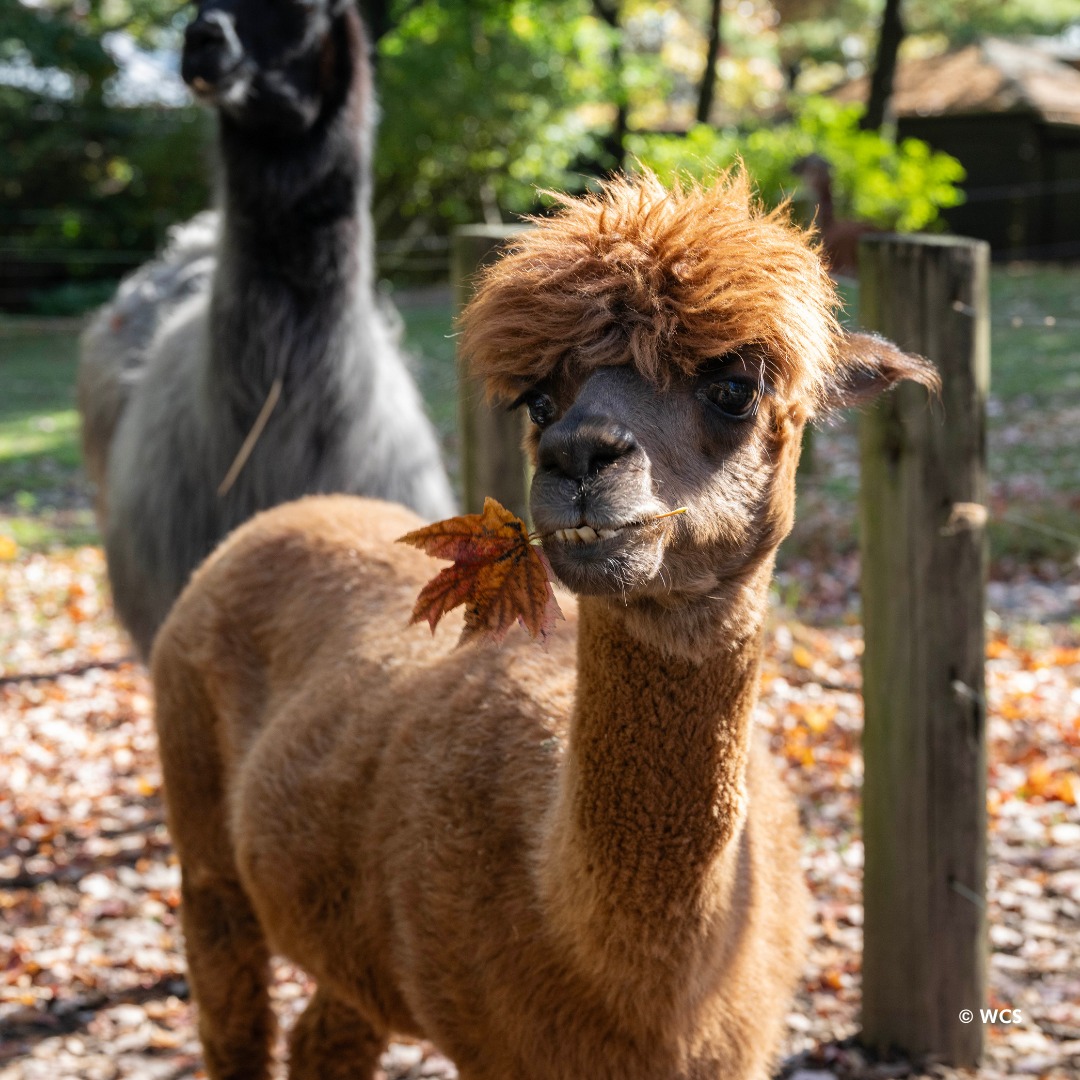
- Fall transforms the landscape with vibrant foliage and cooler temperatures.
- Alpacas play a vital role in the zoo’s ecosystem and exhibit interesting foraging behaviors.
- The seasonal changes impact animal behavior and visitor experiences at the Queens Zoo.
- Wildlife conservation efforts benefit from the awareness generated during fall season visits.
- Observing animal interactions with their environment provides insights into animal care and management.
As the leaves turn vibrant shades of gold, crimson, and amber and the air grows brisker, fall ushers in a distinct beauty to the Queens Zoo. This seasonal transition sparks not only a visual delight but also a shift in animal behavior and the ways visitors engage with the zoo’s offerings. The crisp autumn air invites people to come and observe how the animals adapt to changing conditions. One of the highlights during this time is the alpacas, which embody the charm of the season as they enjoy munching on fallen leaves.
Alpacas possess an innate adaptability that allows them to thrive in variable climates. As both grazers and browsers, they primarily feed on grasses but also relish leaves from shrubs and small trees. During the fall, these animals take advantage of the leafy morsels that litter the ground, providing them with both nutritional benefits and a natural form of enrichment. The behavior of alpacas in the fall represents not just their dietary preferences, but also their social interactions, demonstrating how they engage with their environment while highlighting important aspects of their care and management.
Alpacas are native to the Andes mountains in South America and belong to the camelid family, which includes llamas, vicuñas, and guanacos. These animals have a gentle disposition, making them a favorite among visitors, especially children. Their ability to thrive in cold weather is partly due to their dense fleece, which keeps them warm during the cooler autumn months. Observing these captivating creatures against the backdrop of colorful foliage provides a unique chance to appreciate their beauty while learning about their behaviors, habitats, and care.
The arrival of fall also significantly influences the overall animal behavior within the zoo. As temperature drops and natural light changes, animals become more active, especially during the hours of dawn and dusk. Many species utilize this time to forage and exhibit natural behaviors that might be less visible during the heat of summer. Visitors to the Queens Zoo may witness a range of actions—from grazing and running to social interactions among animal groups. These moments provide an educational experience, as they reveal insights into the animals’ daily lives and the intricate dynamics of interspecies relationships.
Moreover, the fall season draws in a plethora of visitors, creating an opportunity for the Queens Zoo to promote wildlife conservation efforts emphatically. With the vibrant scenery as a backdrop, educational programs and displays become more engaging for attendees, encouraging them to reflect on the wider implications of conservation. Each visit provides a chance to facilitate discussions about the importance of preserving natural habitats, protecting endangered species, and understanding the human impact on ecosystems.
Conservation benefits significantly when visitors leave the zoo with a heightened awareness. Numerous studies illustrate that participation in wildlife educational programs can lead to increased understanding and positive changes in behavior related to environmental stewardship. Seasonal attractions like fall-themed events or educational workshops can build upon visitors’ experiences, fostering a deeper appreciation for wildlife and the challenges they face. The connection nurtured through these experiences can play a vital role in future conservation efforts, as these individuals become ambassadors for the environment.
As we observe alpacas and witness their interactions with their environment, we learn about the essential aspects of animal care. Understanding their dietary needs informs how zoos curate their habitats and enrich their lives. Providing a balanced diet is crucial, especially in fall, when animals may need different nutritional components in preparation for winter.
Animal managers at the Queens Zoo take meticulous measures to ensure that the diets are well-planned to meet these needs. This may involve not just the provision of natural forage but also specialized food formulations based on nutritional science. By simulating natural foraging experiences, such as scattering leafy snacks, animal care staff promote physical and mental enrichment, enhancing the wellbeing of the animals.
Feeding practices are only one aspect of creating a healthy zoo environment. It’s important to recognize the role of generated habitats that reflect the animals’ natural ecosystems. Enclosures that replicate their wild counterparts—complete with trees, shrubs, and varied terrains—provide stimulation and create spaces for natural behaviors to manifest. Such design considerations underscore how zoos like Queens Zoo prioritize animal welfare while also educating the public about sustaining ecosystems.
In fall, the impact of seasonal shifts cannot be overlooked, as they touch every facet of zoo life—from the animals’ behaviors to the experiences of visitors. Each autumn brings a renewed sense of ecology, encouraging greater appreciation for changes in both flora and fauna. The sound of rustling leaves and the sight of animals frolicking in their spaces in vibrant surroundings create vivid memories for those who visit before winter sets in.
The Queens Zoo stands as a testament to a commitment to high standards in zoo management alongside lifelong learning and awareness in the community. This dedication pays off by cultivating a deep interest in wildlife conservation. Guests leave with memorable experiences that go beyond mere entertainment; they take with them newfound knowledge and understanding that may inspire lifelong stewardship.
Fall serves as a reminder that nature is cyclical. While the seasons transition—life in the animal kingdom adapts and progresses. Each visit allows guests to acknowledge the beauty and complexity of ecosystems, adding to that harmony within the zoo. As visitors witness alpacas nibbling happily on the fallen leaves, they savor not just a delightful sight but also gain insight into animal behaviors and the ecological fabric that connects every being on this planet.
The Queens Zoo models how educational initiatives foster a strong sense of connection to wildlife. Education stands as a core pillar in bridging the gap between animals and people. Events offered throughout the fall aim to deepen knowledge about alpacas and the diverse ecosystems in which they exist while motivating guests to advocate for conservation.
The relationships that bloom between guests and animals during fall at the Queens Zoo reinforce the significance of compassionate conservation. Observing the interactions of animals and the stunning fall scenery creates a profound attachment to wildlife, allowing the community to engage passionately in conservation efforts.
Thus, as the leaves turn and the air cools, the Queens Zoo becomes a window into the splendid seasonal shifts. Each visit transforms into an educational journey, showcasing how creatures like alpacas adapt, thrive, and connect with their environment. Engaging in this seasonal spectacle not only renews visitors’ excitement for nature but also sparks a commitment to safeguarding it for future generations.
*****
Source Description
As the leaves turn and the air cools, fall brings a unique kind of beauty to the Queens Zoo. Our alpacas are especially enjoying the season—you can often spot them nibbling on fallen leaves. Alpacas are both grazers and browsers. They primarily graze on grasses but will also browse leaves from shrubs and small trees. Fall is the perfect time to visit the zoo, take in the crisp air, and watch the animals enjoy the changing season alongside you.
📸: WCS photographer, Terria Clay
